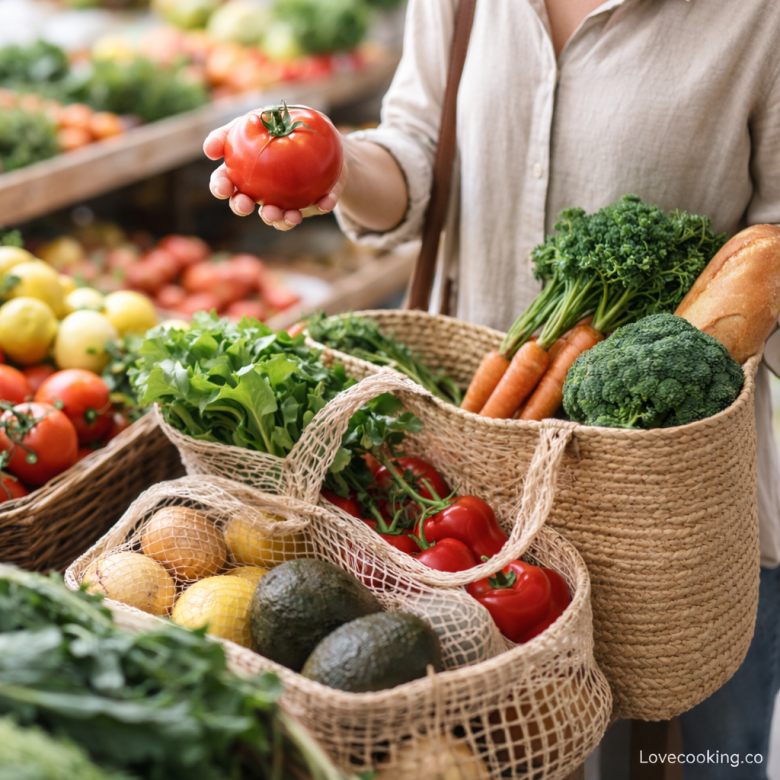
Cooking at home can be simple, healthy, and enjoyable—but only when the ingredients you bring home are actually fresh. Many people struggle with this part. You walk into a market or supermarket, see neatly arranged vegetables, fruits, meat, and dairy products, and assume everything is good. But freshness is not always obvious at first glance.
Knowing how to choose fresh ingredients while shopping for daily cooking can completely change your meals. Better taste, better nutrition, less food waste, and even better budgeting all start with smart selection at the store. In this guide, you’ll learn practical, real-world techniques that help you confidently pick fresh ingredients every time you shop—without needing expert knowledge or complicated rules.
Understanding Why Fresh Ingredients Matter in Daily Cooking
Fresh ingredients are the foundation of good cooking. When your ingredients are fresh, even simple recipes taste better. A basic vegetable curry, salad, or stir-fry becomes more flavorful and naturally appealing.
Here’s why freshness matters in everyday cooking:
- Better taste and aroma: Fresh foods retain their natural flavor and smell.
- Improved texture: Vegetables stay crisp, fruits stay juicy, and meat remains tender.
- Longer shelf life at home: Fresh ingredients last longer after purchase.
- Less waste: You throw away fewer spoiled items.
- Better cooking experience: You spend less time fixing or hiding bad ingredients.
When you start focusing on freshness, you also start eating more mindfully and wasting less money on spoiled food.
How to Check Fresh Fruits Before Buying
Fruits are often the trickiest items to judge because they can look good on the outside but be overripe or damaged inside. A few simple checks can help you pick the best ones.
1. Look at Color and Skin Condition
Fresh fruits usually have vibrant, natural colors. Avoid fruits that look dull, overly shiny (sometimes waxed), or uneven in color.
- Apples should be firm and evenly colored.
- Bananas should be yellow with minimal brown spots.
- Mangoes should have a natural glow without dark patches.
Also check the skin—wrinkles, bruises, or cracks often indicate poor freshness.
2. Use Gentle Touch Test
Lightly press the fruit:
- If it feels too soft, it may be overripe.
- If it’s too hard, it may not be ready to eat.
- A slight firmness is usually ideal.
3. Smell the Fruit
Fresh fruits often have a mild natural aroma:
- Ripe mangoes smell sweet near the stem.
- Pineapples give a slightly fruity fragrance at the base.
If there is no smell or a fermented smell, avoid it.
4. Check Weight and Size Balance
Heavier fruits usually contain more juice and are fresher. A light fruit of the same size may be dried out inside.
How to Identify Fresh Vegetables at the Market
Vegetables are a daily essential in most kitchens, so learning how to pick fresh ones is extremely important.
1. Look for Bright, Natural Colors
Fresh vegetables have a vibrant appearance:
- Spinach and leafy greens should be deep green, not yellowish.
- Carrots should be bright orange, not pale or cracked.
- Tomatoes should be rich red without wrinkles.
Avoid vegetables that look faded or lifeless.
2. Check Firmness and Texture
Firm vegetables are usually fresh.
- Cabbage should feel dense and tight.
- Cucumbers should be firm and smooth.
- Potatoes should not have soft spots or sprouts.
Soft or mushy vegetables are usually old or improperly stored.
3. Examine Leaves Carefully
For leafy vegetables:
- Leaves should be crisp, not wilted.
- No yellowing or dark spots.
- Stems should look fresh and not dry.
4. Avoid Excess Moisture or Dryness
Too much moisture can mean spoilage is starting, while extreme dryness can indicate age.
How to Choose Fresh Meat, Chicken, and Fish Safely
Protein ingredients require extra attention because they spoil faster than vegetables or fruits. Freshness is crucial not only for taste but also for safe cooking practices.
1. Fresh Chicken or Meat Indicators
When buying chicken or meat:
- Color should be natural (pinkish for chicken, bright red for beef/mutton).
- No gray or greenish patches.
- Texture should be firm, not slimy.
- Smell should be neutral, not sour or strong.
If it smells off, avoid it completely.
2. Fresh Fish Signs
Fresh fish is easy to identify if you know what to look for:
- Clear, bright eyes (not cloudy or sunken).
- Red or pink gills, not brown or gray.
- Skin should be shiny and moist, not dry.
- Fish should smell like mild sea water, not a strong fishy odor.
3. Packaging Check (For Supermarkets)
If you’re buying packed meat or fish:
- Check the expiry or packaging date.
- Ensure the packaging is not leaking or swollen.
- Avoid items with excess liquid inside the pack.
How to Select Fresh Dairy Products Like Milk, Eggs, and Yogurt
Dairy products are everyday essentials in many households, and freshness is key for both taste and safety.
1. Choosing Fresh Milk
Whether buying fresh milk or packaged milk:
- Always check the expiry date.
- Packaging should be sealed properly.
- If possible, shake lightly to ensure no unusual texture.
For loose milk, freshness depends heavily on the source—always buy from trusted sellers.
2. Checking Egg Freshness
A simple home-style trick helps:
- Fresh eggs feel heavier.
- Shells should be clean and uncracked.
- In a water test (if done at home), fresh eggs sink while old eggs float.
3. Yogurt and Cheese Tips
- Yogurt should be smooth, not watery or overly sour.
- Cheese should have a fresh smell and consistent texture.
- Avoid mold unless it’s a specific aged cheese type.
Smart Shopping Habits That Help You Always Buy Fresh Ingredients
Choosing fresh items is not only about observation—it also depends on how and when you shop.
1. Shop Early in the Day
Morning shopping often gives you access to fresher stock because
- Fresh deliveries arrive early.
- Items are less handled by other customers.
- You get more choices.
2. Avoid Peak Crowds
Busy hours can lead to rushed decisions. When you’re in a hurry or surrounded by people, you may miss signs of poor freshness.
3. Know Seasonal Produce
Seasonal fruits and vegetables are usually fresher and cheaper. For example:
- Mangoes in summer
- Oranges in winter
- Fresh leafy greens in cooler months
Seasonal items also taste better and last longer.
4. Stick to Trusted Vendors
Whether shopping at a local market or supermarket, consistent sellers are often more reliable.
Common Mistakes People Make While Buying Ingredients
Even experienced shoppers sometimes make simple mistakes that affect food quality.
1. Choosing Based Only on Appearance
Looks can be misleading. Some fruits and vegetables are polished or displayed to look fresher than they are.
2. Ignoring Smell and Texture
Smell and touch often reveal more than appearance. Many people skip this step.
3. Buying in Bulk Without Checking Freshness
Bulk buying is cost-effective, but only if the ingredients are fresh. Otherwise, you end up wasting more.
4. Not Checking Storage Conditions
Even fresh-looking items can spoil quickly if stored improperly at the shop.
Practical Tips to Improve Your Grocery Shopping Skills
If you want to consistently choose fresh ingredients, a few habits can make a big difference.
1. Make a Checklist Before Shopping
Write down what you need and stick to it. This reduces rushed decisions.
2. Learn Basic Seasonal Charts
Knowing what is in season helps you naturally avoid low-quality out-of-season produce.
3. Compare Multiple Items
Don’t pick the first item you see. Compare 2–3 pieces before choosing.
4. Trust Your Senses
Your eyes, hands, and nose are your best tools. With practice, you’ll naturally develop a sense of freshness.
How Proper Storage Starts with Smart Buying
Fresh ingredients last longer when you store them properly—but storage success begins at the store.
- Avoid overripe fruits if you plan to store them for days.
- Choose firm vegetables if you want longer shelf life.
- Buy dairy closer to your usage schedule.
- Store meat immediately after purchase.
Good shopping habits make home storage much easier and more effective.
Conclusion
Choosing fresh ingredients while shopping for daily cooking is a skill that improves over time. It doesn’t require expert knowledge—just awareness, attention, and a bit of practice. When you learn to observe color, texture, smell, and firmness, you naturally start making better choices.
Fresh ingredients not only improve the taste of your food but also help you reduce waste, save money, and cook more confidently. Whether you are shopping for fruits, vegetables, meat, or dairy products, a mindful approach always pays off in the kitchen. With consistent practice, grocery shopping becomes less of a guessing game and more of a confident routine that supports healthier and better cooking every day.
FAQs
1. What is the easiest way to check if vegetables are fresh?
Look for bright color, firm texture, and crisp leaves. Avoid vegetables that feel soft or have yellowing spots.
2. How can I tell if fruits are overripe?
Overripe fruits are usually too soft, overly fragrant, and may have dark patches or wrinkles on the skin.
3. Is morning shopping better for fresh groceries?
Yes, mornings are usually better because fresh stock is newly delivered and hasn’t been handled much.
4. How do I know if fish is fresh in the market?
Fresh fish has clear eyes, red gills, a firm body, and a mild sea-like smell instead of a strong fishy odor.
5. Why do fresh ingredients matter in cooking?
They improve taste, texture, and nutrition and reduce food waste while making cooking more enjoyable and efficient.