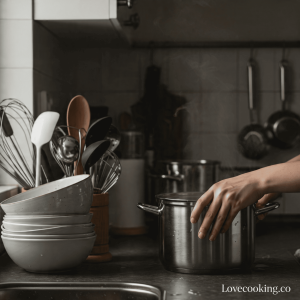
This is how I developed my simple system for measuring ingredients without tools. It wasn’t planned or technical. It came from daily cooking, small mistakes, and learning how real kitchens actually work when you don’t have everything neatly measured out. What I discovered is that cooking without measuring tools is not only possible, but it can also actually make cooking more relaxed, flexible, and enjoyable.
In this article, I’ll share how I manage to cook confidently without relying on measuring cups or scales. This isn’t about perfection. It’s about building comfort in the kitchen so you can cook with what you have, trust your judgment, and still get great results.
How Everyday Kitchen Items Became My Measuring Guide
When I didn’t have measuring tools, I didn’t rush to buy them immediately. Instead, I started using everyday kitchen items as reference points. This made cooking feel more natural and less stressful. A regular spoon, a tea cup, or even a small glass started becoming my informal measuring guide. Over time, I began recognizing how much rice fits in a handful mug or how much oil spreads in a normal tablespoon pour. These small observations built consistency without needing formal tools.
What helped even more was repetition. When you cook frequently, your brain naturally remembers visual patterns. You start to recognize what “enough salt” looks like or how much flour creates a certain texture. This is not guesswork anymore; it becomes experience-based measurement. This approach made me realize that measuring ingredients without tools is less about accuracy and more about familiarity with your own kitchen.
Learning to Measure Ingredients Using Visual Judgment
One of the most useful skills I developed was visual judgment. Instead of relying on measuring cups, I started learning how ingredients look at different stages. For example, when adding flour, I pay attention to how thick or loose the mixture becomes rather than focusing on exact quantity. When cooking rice or pasta, I observe how much space the ingredients take in the pot before and after cooking. These visual cues gradually became my internal measuring system.
Another part of visual judgment is understanding balance. If something looks too dry, I know I need a bit more liquid. If something looks too watery, I adjust by adding dry ingredients. This constant observation helps maintain control without needing precise tools. Over time, this method made cooking feel more intuitive. Instead of stopping to measure everything, I started flowing through the process while adjusting as needed.
How Hand-Based Estimation Became My Personal Kitchen Tool
One of the most practical techniques I rely on now is using my hands as a guide. Without thinking too much about it, your hand can become a surprisingly reliable measuring tool in the kitchen. A pinch of salt, a handful of rice, or a palm-sized portion of ingredients gives a natural reference point that adjusts according to your own body size. This makes it more personalized than standard measuring tools.
What I like about this method is that it removes hesitation. Instead of pausing to find a spoon or scale, I can continue cooking smoothly. It also encourages confidence because I start trusting my own sense of proportion rather than depending on external tools. This hand-based system became one of the strongest parts of my approach to cooking without measuring tools. It’s simple, fast, and surprisingly accurate once you get used to it.
How I Build Taste Memory Instead of Relying on Exact Numbers
One of the most powerful changes in my cooking journey was developing taste memory. Instead of memorizing measurements, I started remembering flavors. For example, I learned how a dish tastes when it has just the right balance of salt or spice. Over time, my brain started recognizing those patterns automatically. This helped me adjust ingredients without needing to measure them.
Taste memory also makes cooking more personal. Two people might follow the same recipe, but their versions will taste slightly different based on preference. By focusing on taste rather than numbers, I gained more control over how my food turns out. This approach also reduces stress. If something doesn’t taste right, I don’t panic about measurements. I simply adjust based on what I feel is missing. That flexibility is what makes cooking without tools much easier and more enjoyable.
How I Handle Baking and More Sensitive Recipes Without Tools
While everyday cooking is quite flexible, baking and certain recipes require more attention. I learned this the hard way when some early attempts didn’t turn out as expected. However, even in these situations, I found ways to adapt without relying heavily on measuring tools. Instead of focusing on exact measurements, I pay more attention to consistency. For example, I observe how thick the batter is or how smoothly it pours. These visual and texture cues help guide adjustments.
I also learned to make small changes gradually rather than large guesses. If something feels off, I adjust slowly and observe results. This prevents major mistakes and helps maintain balance. Over time, I realized that even in more sensitive recipes, understanding the behavior of ingredients is more helpful than relying only on numbers.
How This System Saves Time and Reduces Kitchen Stress
One of the biggest benefits of this approach is how much time it saves. When you don’t depend on measuring tools, cooking becomes faster and more fluid. There is no need to search for cups, level ingredients, or clean extra utensils. This simplicity also reduces mental stress. Instead of worrying about accuracy, I focus on the cooking process itself. It makes the kitchen feel less like a controlled environment and more like a natural space where I can work comfortably.
Cleanup is also easier. Fewer tools mean fewer dishes, which makes the entire cooking experience more relaxed. On busy days, this difference becomes very noticeable. This system has made my daily cooking routine smoother and more efficient without sacrificing the quality of meals.
How I Built Confidence in Cooking Without Measuring Tools
The most important outcome of this journey has been confidence. At first, I doubted whether cooking without tools would work. But after repeated practice, I realized that consistency comes from experience, not equipment. Now I feel comfortable cooking even when I don’t have anything to measure ingredients. I trust my judgment, my senses, and my past experience. This confidence has made cooking more enjoyable and less intimidating.
I also stopped worrying about perfection. Not every meal needs to be identical. Small variations are natural and often make food more interesting. Building this confidence has been the final step in making my system work in real life. It is what turns simple techniques into a reliable cooking habit.
Conclusion
Learning how to measure ingredients without tools changed the way I cook completely. It taught me that cooking does not have to depend on strict rules or expensive equipment. Instead, it can be guided by observation, experience, and simple everyday habits.
By shifting mindset, using visual judgment, relying on hand-based estimation, and building taste memory, cooking becomes more natural and less stressful. Flexibility plays a bigger role than precision, especially in daily home cooking. This system is not about replacing accuracy but about making cooking easier and more adaptable. Once you trust your senses and practice regularly, you realize that great cooking is not about perfect measurements but about understanding your ingredients.
FAQs
1. Can I really cook without measuring cups or a kitchen scale?
Yes, you can. Most everyday cooking can be done using visual judgment, experience, and simple household references instead of precise tools.
2. Is cooking without tools accurate enough for good results?
For daily meals, it is usually accurate enough. With practice, you develop consistency through observation and taste rather than exact measurements.
3. What if my recipe doesn’t turn out right without measurements?
Small variations are normal. You can adjust flavor, texture, or seasoning gradually while cooking to correct the dish.
4. Does this method work for baking as well?
Baking is more sensitive, so it requires more attention. However, even in baking, texture and consistency can guide adjustments if you are experienced.
5. How long does it take to get comfortable cooking without measuring tools?
It varies, but with regular cooking practice, most people start feeling confident within a few weeks as they build visual and taste-based judgment.