Most of us have experienced this at some point: opening the fridge, seeing the date on the packaging, and immediately becoming concerned about the food’s safety or whether it’s time to throw it away. This moment of doubt occurs in almost every kitchen because people often misinterpret expiration dates. Many people think these dates are …
Most home cooks stand in front of the supermarket shelves, asking themselves, are fresh vegetables and fruit always the best choice? Do frozen vegetables and fruit taste just as good? This question is particularly relevant when the budget is limited, time is scarce, or ingredients are out of season. Many people believe that fresh vegetables …
Protein is one of the most important components of a daily diet and ensures that people feel full, energetic, and ready for the day. However, many families struggle to find a balance between nutritional intake and rising grocery prices. When food prices rise, protein often becomes the most expensive item in the shopping basket. This …
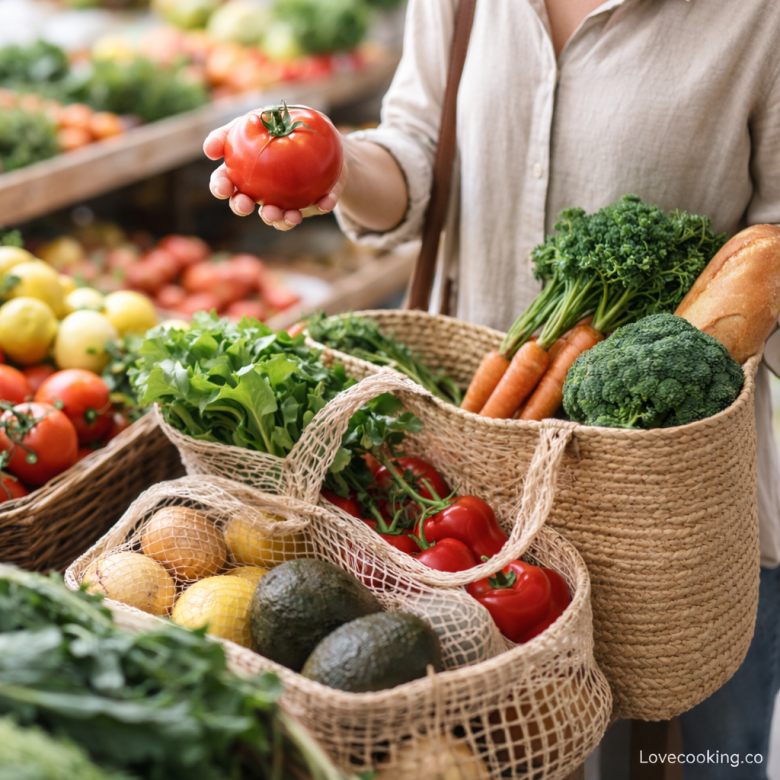
Cooking at home can be simple, healthy, and enjoyable—but only when the ingredients you bring home are actually fresh. Many people struggle with this part. You walk into a market or supermarket, see neatly arranged vegetables, fruits, meat, and dairy products, and assume everything is good. But freshness is not always obvious at first glance. …
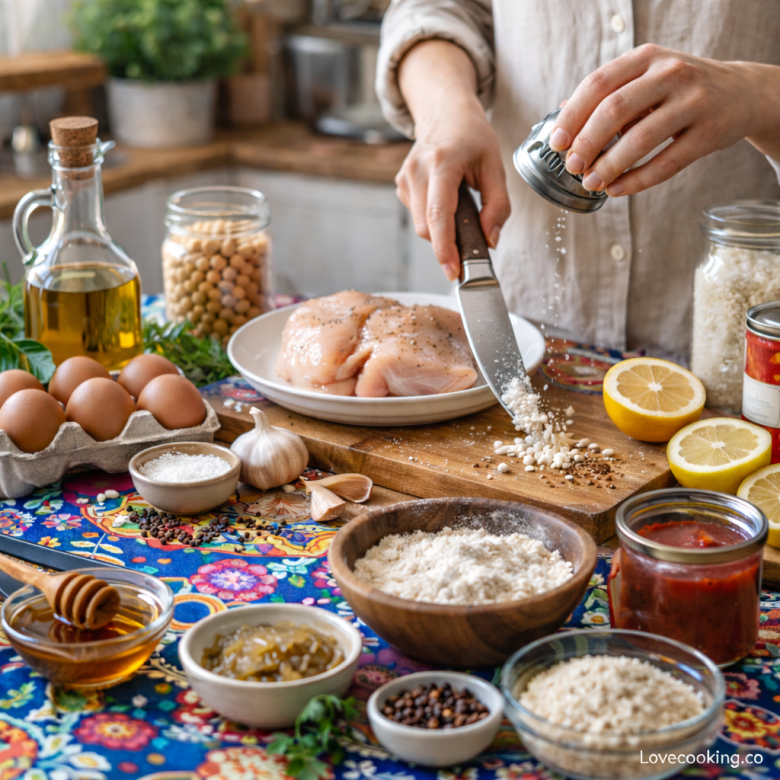
Cooking at home becomes much easier when you truly understand the ingredients sitting in your kitchen. Most people use the same basic items every day—rice, flour, oil, onions, garlic, spices—but often without fully knowing how to use them in the best way. That’s where cooking problems usually start: food tastes flat, textures feel off, or …
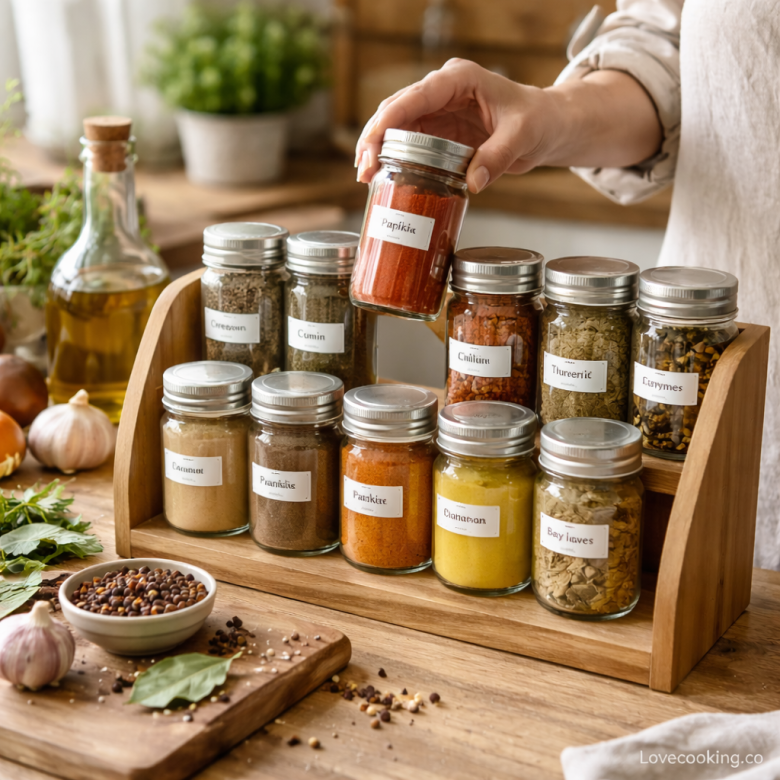
Spices are the heart of every flavorful meal. Whether you’re cooking a simple lentil curry, a spicy stir-fry, or a slow-cooked rice dish, spices are what give food its identity. But here’s something many home cooks don’t realize: even the best spices lose their power if they are not stored correctly. If your food tastes …
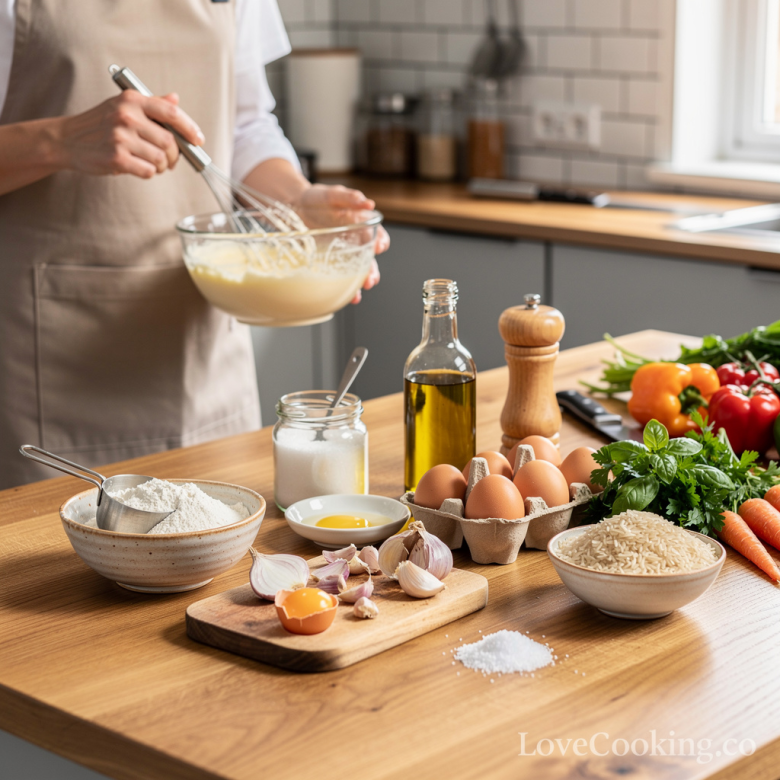
Cooking at home becomes much easier and more enjoyable when you understand the ingredients you use every day. Many beginners struggle in the kitchen not because recipes are too difficult, but because they don’t fully understand what each ingredient does or how it affects the final dish. Once you learn the purpose and behavior of …
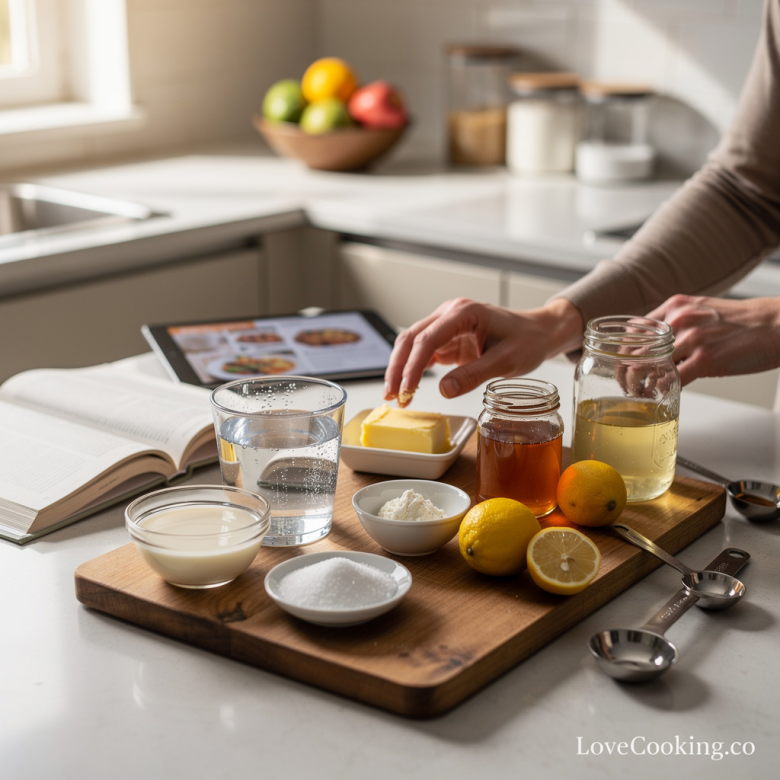
We’ve all been there—you’re halfway through cooking a meal, following a recipe carefully, and suddenly realize one important ingredient is missing. Maybe you ran out of eggs, forgot to buy milk, or don’t have a specific spice the recipe calls for. In that moment, cooking can feel frustrating and even discouraging. But here’s the good …
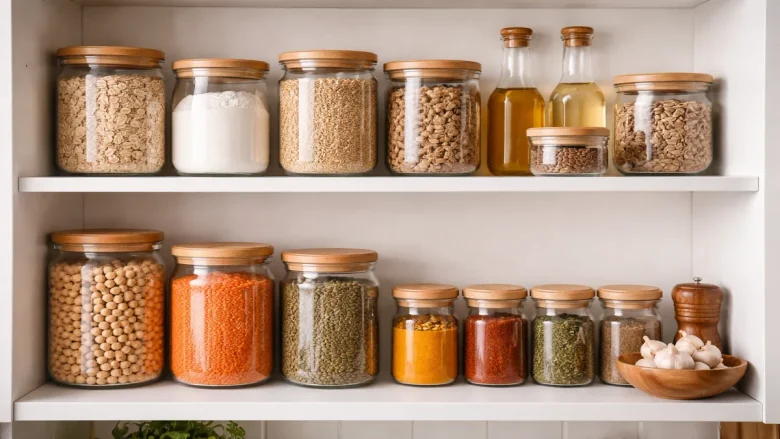
We’ve all been there. You reach into the fridge, pull out a bag of spinach or a forgotten vegetable, and realize it’s no longer usable. It’s frustrating—not just because of the food, but because it feels like wasted effort and money. I used to think such an incident was just part of buying fresh ingredients. …
For a long time, I believed that better cooking required better tools. I thought if I had more advanced equipment or harder-to-find ingredients, my food would automatically improve. It felt like there was always something missing—some secret that professional kitchens had figured out. Over time, though, I realized something much simpler. The difference isn’t usually …