
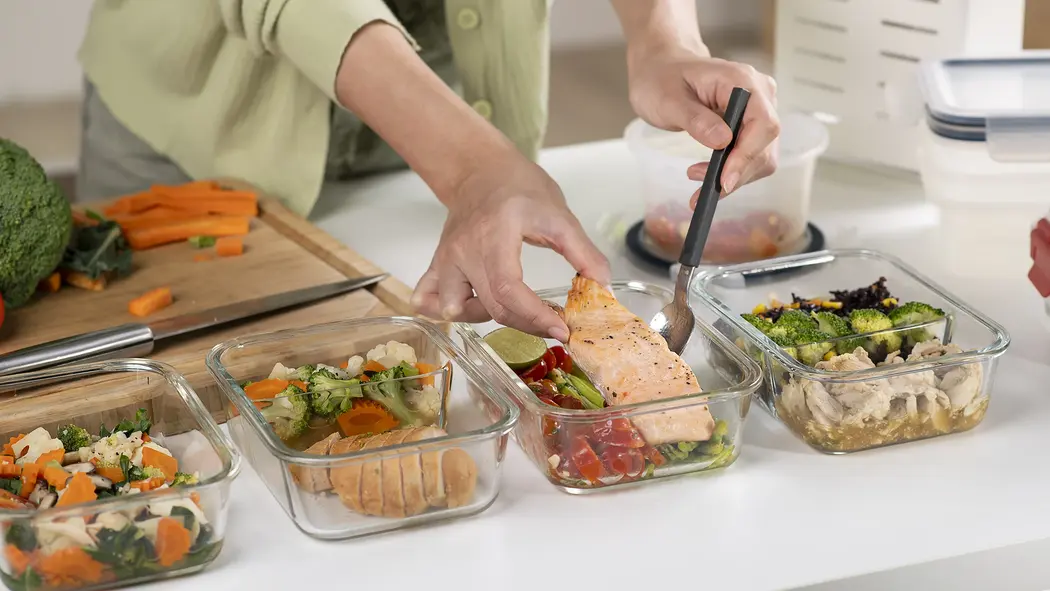
The proteins that feed my family without emptying my wallet — and how to make them taste like they cost twice as much.
By Youssef El Amrani · June 2026 · 8 min read
When I first started cooking on a tight budget, I made a mistake that took me months to correct: I bought cheap cuts of meat and cooked them the same way I cooked expensive ones. The result was tough, flavourless chicken breasts; rubbery pork chops; and ground beef that crumbled into grey pebbles. I blamed the ingredients. The real problem was that I did not understand what each protein needed.
Budget-friendly proteins are not inferior to other proteins. They are simply different. A chicken thigh costs half what a breast does and has more flavour if you cook it right. A can of chickpeas is pennies compared to meat and can carry a meal on its own. Eggs are one of the most complete protein sources on earth and cost less than a quarter each.
This article is about the proteins I actually buy, what I pay for them, and the techniques that make them taste expensive.
Eggs: The Most Underrated Protein
Eggs contain all nine essential amino acids, making them a complete protein. They are versatile, quick to cook, and cost roughly fifteen to twenty cents each depending on where you live. A dinner of eggs, vegetables, and toast costs under two dollars per person and takes fifteen minutes to make.
The mistake people make with eggs is treating them only as breakfast food. Eggs for dinner – shakshuka, fried rice with a runny yolk on top, and a simple frittata with leftover vegetables – are some of the most satisfying meals I make. The key is to pair them with strong flavours: spicy tomato sauce, garlicky greens, or sharp cheese.
Eggs at a Glance
Cost: $0.15–$0.25 each
Protein per egg: 6 grams
Best techniques: Fry, scramble, poach, bake into frittatas
Flavor pairings: Tomato, spinach, cheese, hot sauce, herbs
Chicken Thighs: Cheaper and Tastier Than Breasts
Bone-in, skin-on chicken thighs cost roughly half what boneless, skinless breasts cost per pound. They also have more fat, which means more flavour and moisture. A chicken breast overcooks in minutes and turns dry. A chicken thigh forgives you. It stays juicy even if you leave it in the oven ten minutes too long.
The technique that changed how I cook thighs is simple: season them aggressively, sear the skin in a hot pan until it is crackling and golden, then finish in the oven at 400°F for 25–30 minutes. The skin protects the meat, the bone adds flavour, and the rendered fat creates a pan sauce with almost no effort.
If you want to stretch the protein further, shred the cooked thighs and mix them into rice, pasta, or soup. One pound of thighs feeds four people easily when it is part of a larger dish rather than the centrepiece.
Chicken Thighs at a Glance
Cost: $1.50–$2.50 per pound
Protein per 4 oz: 22 grams
Best techniques: Roast, braise, pan-sear, slow cook
Flavor pairings: Lemon, garlic, paprika, soy sauce, honey
Beans and Lentils: The Protein That Costs Pennies
A can of black beans costs around a dollar and contains 12 grams of protein per cup. Dried beans cost even less — about two dollars for a pound that makes six to eight cups when cooked. Lentils cook in 20 minutes without soaking and have 18 grams of protein per cup. These are not side dishes. They are the foundation of meals that cost less than a dollar per serving.
The secret to making beans satisfying is texture and seasoning. Underseasoned beans are bland and starchy. Well-seasoned beans with a hit of acid – lime juice, vinegar, tomatoes – become craveable. Add cumin, smoked paprika, garlic, and onion, and you have the base for tacos, burrito bowls, soups, and salads that do not feel like deprivation.
Lentils are even faster. Red lentils break down into a creamy dal in 15 minutes. Green lentils hold their shape and work in salads and grain bowls. Black lentils have an earthy flavour that pairs with mushrooms and red wine. Each type behaves differently, and learning those differences makes them more versatile than any meat in your freezer.
Beans & Lentils at a Glance
Cost: $0.10–$0.20 per serving (dried)
Protein per cup cooked: 12–18 grams
Best techniques: Simmer, mash, roast for crispiness
Flavor pairings: Cumin, garlic, lime, tomatoes, cilantro, smoked paprika
Ground Meat: Stretching Flavor, Not Just Budget
Ground beef, pork, and turkey are the workhorses of budget cooking. They cook quickly, absorb flavour easily, and can be stretched with vegetables, grains, and beans to feed more people for less money. A pound of ground meat mixed with diced vegetables and rice feeds six instead of four.
The mistake is buying the leanest ground meat available. 90/10 ground beef is dry and crumbly. 80/20 has enough fat to stay moist and flavourful, and you can drain excess after cooking if you are concerned. Ground pork has more fat than beef and a sweetness that works in Asian and Latin American dishes. Ground turkey is leaner but benefits from added fat — a splash of olive oil or a spoonful of yoghurt keeps it from drying out.
The best technique for ground meat is the reverse: brown it hard. Do not stir constantly. Let it sit in the hot pan until a crust forms, then break it up. That crust is flavour. Add onions, garlic, and spices to the rendered fat, and you have a base for tacos, pasta sauce, chilli, or stuffed peppers.
Ground Meat at a Glance
Cost: $3.00–$5.00 per pound
Protein per 4 oz: 20–25 grams
Best techniques: Brown hard, braise in sauce, mix into casseroles
Flavor pairings: Tomato, onion, garlic, soy sauce, cumin, oregano
Canned Fish: The Pantry Protein
Canned tuna and salmon do not get the respect they deserve. A can of tuna costs around a dollar and delivers 20 grams of protein. Canned salmon, slightly pricier, provides omega-3 fatty acids and calcium from the edible bones. Both have shelf lives of years and require no cooking.
The key to exceptional canned fish is what you mix it with. Tuna salad made with just mayonnaise is boring. Tuna salad with diced celery, red onion, capers, lemon juice, and a pinch of Dijon is something you crave. Salmon patties mixed with breadcrumbs, egg, and herbs, then pan-fried until crispy, taste like a restaurant dish and cost less than three dollars to make.
Sardines and mackerel are even cheaper and more nutrient-dense, though they require an acquired taste. If you are new to them, start with sardines in olive oil or tomato sauce rather than water. Mash them onto toast with lemon and hot sauce, or mix into pasta with garlic and breadcrumbs.
Canned Fish at a Glance
Cost: $1.00–$3.00 per can
Protein per can: 15–25 grams
Best techniques: Mix into salads, form into patties, mash onto toast
Flavor pairings: Lemon, capers, mustard, hot sauce, dill, red onion
Tofu: The Blank Canvas
A block of firm tofu costs around two dollars and contains 20 grams of protein. It absorbs any flavour you give it, cooks in minutes, and lasts weeks in the refrigerator. Most people don’t know how to prepare it, so they end up with bland, watery cubes that confirm their suspicion that tofu is boring.
The secret is pressing and browning. Press the tofu between plates with a weight on top for 15 minutes to remove excess water. Cut into cubes or slices, toss with cornflour, and pan-fry in a hot skillet until every side is golden and crispy. The cornflour creates a crust that holds sauce and provides texture. Once browned, toss with soy sauce, ginger, garlic, and sesame oil — or any sauce you like. The tofu is just a vehicle.
Silken tofu is a different ingredient entirely. It is soft, custardy, and works in smoothies, soups, and desserts. Blend it into a chocolate mousse with cocoa powder and maple syrup, and you have a high-protein dessert that costs under a dollar per serving.
Tofu at a Glance
Cost: $1.50–$2.50 per block
Protein per half block: 10–12 grams
Best techniques: Press, cornstarch coat, pan-fry until crispy
Flavor pairings: Soy sauce, ginger, garlic, sesame, chili, lime
Cost Comparison at a Glance
| Protein | Cost per Serving | Protein per Serving | Cook Time |
|---|---|---|---|
| Eggs | $0.30–$0.50 | 12 g (2 eggs) | 5–10 min |
| Chicken thighs | $0.75–$1.25 | 22 g | 30–40 min |
| Beans/lentils | $0.15–$0.30 | 12–18 g | 20–60 min |
| Ground meat | $1.00–$1.50 | 20–25 g | 10–15 min |
| Canned fish | $1.00–$1.50 | 15–25 g | 0 min |
| Tofu | $0.75–$1.25 | 10–12 g | 10–15 min |
Three Habits That Stretch Your Protein Budget
1. Buy the whole item and break it down yourself. A whole chicken costs less per pound than any pre-cut pieces. Roast it, eat the breasts and thighs as they are, shred the rest for soups and salads, and simmer the bones for stock. One bird feeds a family for three meals.
2. Use meat as a flavouring, not the main event. A small amount of bacon, sausage, or ground meat adds depth to beans, lentils, or vegetables without being the expensive centrepiece. A quarter pound of chorizo transforms a pot of lentils. Two strips of bacon flavour an entire pan of collard greens.
3. Cook dried beans in batches. A pound of dried beans costs two dollars and makes six to eight cups cooked. Cook a batch on Sunday, portion it into containers, and freeze. You now have instant protein for the entire week — faster than opening a can and at half the cost.
The Real Measure of Value
The cheapest protein is the one that does not get thrown away. I have wasted more money on sale-priced steaks that sat in my freezer for six months than I have on full-price beans that I used the same week. Budget cooking is not about buying the cheapest thing. It is about buying what you will actually cook and eat.
Eggs, chicken thighs, beans, ground meat, canned fish, and tofu are the proteins I return to because they are affordable, versatile, and — when cooked with care — genuinely delicious. The techniques matter more than the ingredient. A perfectly seared chicken thigh with crispy skin and a pan sauce tastes expensive regardless of what you paid for it. A bland, overcooked steak tastes cheap regardless of the price tag.
Start with one protein from this list. Learn one technique that makes it shine. Master it until you can cook it without thinking. Then add another. In a month, you’ll have a rotation of budget meals you look forward to — not because they’re cheap, but because they’re good.
Related Articles
About the Author
Youssef El Amrani founded LoveCooking.co, a website dedicated to making everyday cooking approachable, practical, and stress-free for beginners and home cooks. With a passion for simple, real food, Youssef focuses on teaching foundational skills — from ingredient selection and storage to time-saving techniques — that help people cook confidently without relying on expensive gadgets or complicated recipes. His writing is shaped by years of trial and error in his kitchen, and he believes that understanding your ingredients is the first step toward cooking food you actually enjoy. When he’s not writing or cooking, Youssef enjoys exploring local markets and testing new ways to make weeknight dinners faster and healthier.

Youssef El Amrani is a home cook who learned to cook out of necessity — tight budget, small kitchen, no time. Every recipe and technique on LoveCooking.co is tested in his actual home kitchen with standard equipment. No culinary degree, just years of daily practice. Contact: contact@lovecooking.co