
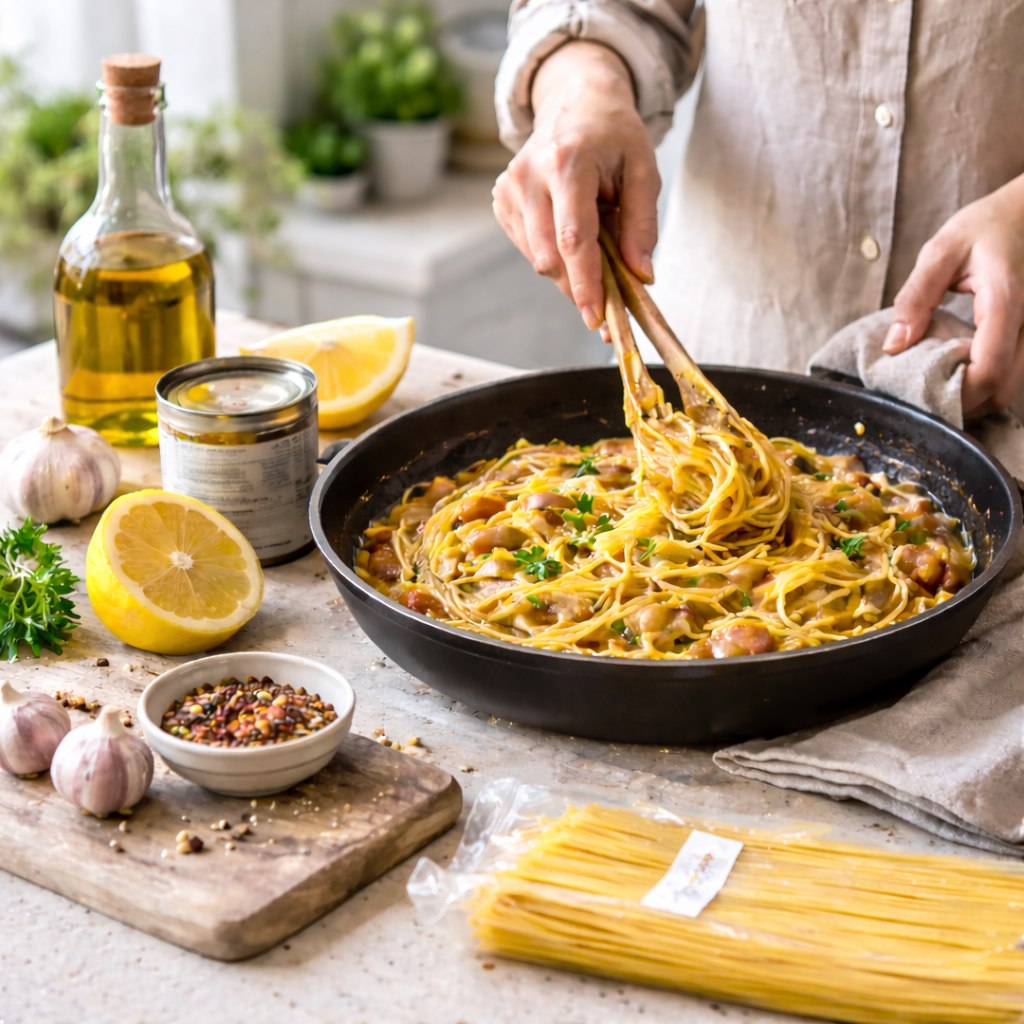
Dinner is often the most challenging meal of the day, especially when your kitchen feels almost empty. After a long day, many people open the fridge and find only a few basic items—maybe some rice, eggs, bread, or a couple of vegetables—and wonder what can actually be made from it.
This is where easy dinner ideas using very limited ingredients become genuinely useful. Instead of stressing over missing groceries, the focus shifts to what can still be prepared with simplicity, creativity, and basic cooking techniques. In this article, we’ll explore how these meals work in real life, why they matter, and how you can turn even the simplest ingredients into a satisfying dinner.
What Easy Dinner Ideas with Limited Ingredients? Really Mean
Easy dinner ideas with limited ingredients refer to meals that can be prepared using only a small number of basic kitchen items. These are not complicated recipes—they are flexible combinations that rely on everyday staples.
In most households, these ingredients might include:
- Rice or pasta
- Eggs
- Bread or flatbread
- Onions, garlic, or potatoes
- Basic spices like salt, pepper, chili powder
- Oil or butter
- Any leftover vegetables or meat
The idea is not to follow strict recipes but to create meals using whatever is already available.
In simple terms, it means making a complete dinner even when your options are limited, without needing a full grocery list or special ingredients.
How Simple Ingredient Cooking Works in Real Life
In everyday life, cooking with limited ingredients is all about combining what you already have in a smart and flexible way. Instead of planning a complex dish, people often rely on quick decision-making.
The process usually looks like this:
- Check available ingredients in the kitchen
- Choose a base (rice, bread, or pasta)
- Add a protein source if available (eggs, beans, or leftovers)
- Include flavor using spices or sauces
- Cook everything in a simple method like frying, boiling, or sautéing
Real-Life Example
Imagine coming home tired with only eggs, bread, and onions in your kitchen. Instead of skipping dinner, you can:
- Make an omelet with onions
- Toast bread to serve alongside it
- Add seasoning for flavor
In under 20 minutes, you have a complete meal without needing anything extra.
In practical terms, this method helps people make dinner decisions faster and with less stress.
Why Limited-Ingredient Dinners Matter in Everyday Life
Cooking with minimal ingredients is not just about convenience—it solves real problems that many households face daily.
1. Helps During Busy or Tired Evenings
After a long day, people often don’t have the energy to cook complex meals. Simple dinners make cooking feel manageable.
2. Reduces Dependence on Grocery Shopping
Not everyone can shop frequently. Limited-ingredient meals help stretch available food until the next grocery trip.
3. Prevents Food Waste
Instead of letting ingredients sit unused, people can combine them into simple meals.
4. Supports Small Kitchens and Shared Living
Students, renters, and shared households often have limited storage, making simple cooking more practical.
In real-life terms, this approach turns “I have nothing to cook” into “I can still make something easy.”
Common Easy Dinner Ideas with Few Ingredients
Even with limited items, there are many practical meal options that people use regularly in daily life.
1. Egg-Based Dinners
Eggs are one of the most flexible ingredients. They can be boiled, scrambled, or fried and paired with bread or rice.
Example:
- Scrambled eggs with onions and bread
- Boiled eggs with rice and seasoning
2. Simple Rice Meals
Rice can be turned into a full meal with just a few additions.
Example:
- Rice with fried eggs and spices
- Rice mixed with leftover vegetables
3. Quick Pasta Dishes
Even plain pasta can become a meal with basic seasoning.
Example:
- Pasta with garlic and oil
- Pasta with salt, pepper, and any available sauce
4. Bread-Based Meals
Bread is often used as a base when nothing else is available.
Example:
- Toast with egg filling
- Simple sandwiches with onions or leftover food
5. Vegetable Stir-Fries
Even a single vegetable can be turned into a meal when cooked with spices.
Example:
- Potatoes fried with salt and chili
- Mixed vegetable sauté with oil and seasoning
These examples show that even minimal ingredients can still create satisfying dinners.
Practical Impact on Daily Cooking Habits
Limited-ingredient cooking affects everyday life in small but meaningful ways.
1. Makes Cooking Less Overwhelming
People don’t need to think too much about recipes or planning.
2. Encourages Faster Decision-Making
With fewer ingredients, choices become simpler and quicker.
3. Builds Confidence in Cooking
Even beginners can prepare meals without feeling pressured.
4. Helps Maintain Consistent Eating Habits
When cooking is easy, people are less likely to skip meals or rely on outside food.
In practical terms, this approach helps create a more relaxed relationship with cooking.
Real-World Scenarios of Limited-Ingredient Dinners
To understand better, let’s look at how different people use this approach in daily life.
Scenario 1: Working Professional
A person returns home late and finds only rice and eggs. They quickly make fried rice with eggs and seasoning. Dinner is ready in 15 minutes.
Scenario 2: Student Living Alone
A student has bread, butter, and onions. They prepare a simple sandwich dinner without needing anything else.
Scenario 3: Family With Limited Supplies
A family uses leftover vegetables and rice to prepare a mixed stir-fry meal for dinner.
These situations show how flexible and practical this cooking style is in real life.
Challenges of Cooking with Limited Ingredients
While this approach is very useful, it does come with some challenges.
1. Limited Variety
Meals can feel repetitive if the same ingredients are used too often.
2. Flavor Restrictions
With fewer ingredients, achieving rich or complex flavors can be difficult.
3. Nutritional Balance Concerns
Without variety, it may be harder to maintain balanced meals consistently.
4. Creativity Pressure
Sometimes people may struggle to think of new combinations.
In practical terms, these challenges can be managed by occasionally mixing fresh ingredients when available.
How People Adapt Limited-Ingredient Cooking in Daily Life
Different households use this method in different ways depending on their situation.
- Students rely on quick meals like eggs, bread, and instant noodles
- Families combine leftovers with basic staples
- Busy professionals prefer fast one-pan meals
- Small households use flexible cooking based on availability
This adaptability is what makes limited-ingredient cooking so widely used.
Future Trends in Simple Dinner Cooking
As lifestyles become busier, simple cooking methods are becoming more important.
Some evolving trends include:
- Recipe apps focused on “what you already have” cooking
- Meal kits designed for minimal ingredients
- Increased popularity of 10–15 minute dinner recipes
- Smart kitchen tools that suggest meals based on available food
In practical terms, this shows a shift toward simpler and more efficient home cooking habits.
Practical Tips for Better Limited-Ingredient Dinners
A few simple habits can make this cooking style more effective:
- Keep basic staples like rice, eggs, and bread available
- Store spices properly for quick flavoring
- Learn 2–3 flexible base recipes
- Use leftovers creatively
- Keep cooking methods simple (stir-fry, boil, toast, sauté)
These small adjustments make everyday dinner preparation easier and more predictable.
Conclusion
Easy dinner ideas with very limited ingredients are a practical solution for everyday cooking challenges. They help people prepare meals quickly, reduce stress, and make better use of whatever is available in the kitchen.
In real-life terms, this approach supports busy individuals, students, and families by turning simple ingredients into complete meals without requiring complex planning or extra effort. While it may not offer endless variety, it provides a reliable way to cook when time and resources are limited. Ultimately, it’s about flexibility, simplicity, and making everyday dinner preparation more manageable and less stressful.

Youssef El Amrani is a home cook who learned to cook out of necessity — tight budget, small kitchen, no time. Every recipe and technique on LoveCooking.co is tested in his actual home kitchen with standard equipment. No culinary degree, just years of daily practice. Contact: contact@lovecooking.co