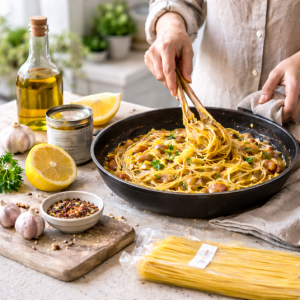
For many people, weeknights feel like a race against the clock. After work, family commitments, and daily responsibilities, cooking from scratch every evening can feel overwhelming. This is exactly why a stress-free weekend batch cooking routine can be a game changer. Instead of scrambling to prepare dinner each night, you dedicate a small portion of your weekend to setting up the week ahead. This approach shifts cooking from a daily burden into a supportive system that makes life easier. Batch cooking is not about spending your entire weekend in the kitchen. It is about creating a calm, manageable rhythm that removes pressure from your busiest days. When done correctly, it turns cooking into a simple routine that supports your lifestyle instead of competing with it.
Letting Go of the “All Day Cooking” Myth
One of the biggest misconceptions about batch cooking is that it requires hours and hours in the kitchen. Many beginners imagine an exhausting day filled with endless chopping and cooking. In reality, a stress-free routine focuses on efficiency rather than effort. The goal is not to cook every meal for the week in one session. Instead, the goal is to prepare versatile components that make weekday meals faster and easier. When you shift your mindset from cooking full meals to preparing building blocks, the entire process becomes lighter and more achievable. This mindset change is often the first step toward building a routine that feels realistic and sustainable.
Choosing the Right Time for Your Routine
A successful weekend batch cooking routine starts with choosing the right time. Some people enjoy cooking on Saturday mornings when energy levels are high, while others prefer a relaxed Sunday afternoon. The best time is simply the time that feels least stressful in your schedule. When your cooking session fits naturally into your weekend rhythm, it becomes easier to maintain. The key is consistency rather than perfection. Picking a reliable time helps turn batch cooking into a weekly habit instead of an occasional task that keeps getting postponed.
Creating a Comfortable Kitchen Environment
Batch cooking becomes much more enjoyable when your kitchen environment feels calm and welcoming. Small details can make a big difference. Playing music, opening a window, or preparing a warm drink can transform the experience from a chore into a relaxing ritual. When the environment feels pleasant, the process becomes something you look forward to rather than something you avoid. This emotional shift is essential because sustainable routines are built on enjoyment, not pressure. The more comfortable your cooking session feels, the more likely you are to continue the habit week after week.
Planning Simple and Flexible Meals
The heart of a stress-free batch cooking routine lies in simplicity. Complex recipes with long ingredient lists can quickly create frustration. Instead, focusing on simple and flexible meals makes the process smooth and manageable. Flexible meals can be adapted in different ways throughout the week, which prevents boredom and encourages creativity. This approach removes the need for strict meal planning and replaces it with a flexible system that works with your schedule. Simplicity does not mean boring. It means practical, adaptable, and realistic.
How Preparation Reduces Weekday Decision Fatigue
Decision fatigue is a real challenge during busy weeks. After making countless decisions throughout the day, deciding what to cook can feel overwhelming. Batch cooking removes much of that pressure. When ingredients are prepped and meals are partially prepared, dinner becomes a quick and easy process. Instead of starting from scratch, you are simply assembling and finishing what you already prepared. This reduces mental load and creates a smoother evening routine. Over time, this small change can significantly reduce weekday stress.
Keeping Your Routine Flexible and Adaptable
A common mistake people make is trying to create a perfect routine from the start. Perfection is not the goal. Flexibility is what makes a routine sustainable. Some weekends will be busier than others, and that is completely normal. Your batch cooking routine should adapt to your life, not the other way around. Even preparing a few ingredients is better than skipping the routine entirely. This flexible mindset helps you maintain consistency without feeling overwhelmed or discouraged.
Building Confidence Through Repetition
Like any habit, batch cooking becomes easier with practice. The first few sessions may feel unfamiliar, but repetition builds confidence. Over time, you will learn what works best for your schedule, your kitchen, and your preferences. This learning process is part of the journey. Each week becomes slightly easier than the last. Eventually, the routine feels natural and automatic. This growing confidence is one of the most rewarding parts of building a sustainable cooking habit.
Turning Batch Cooking Into a Weekly Reset Ritual
Many people find that weekend batch cooking becomes more than just a practical task. It becomes a weekly reset. Preparing food for the week ahead creates a sense of readiness and calm. It signals the transition from weekend relaxation to weekday productivity. This ritual can be surprisingly grounding. Knowing that meals are prepared and the week is organized brings peace of mind. This emotional benefit is just as valuable as the time saved in the kitchen.
Conclusion
Creating a stress-free weekend batch cooking routine is not about perfection or spending hours in the kitchen. It is about building a simple, flexible system that makes weekday cooking easier and less stressful. By choosing the right time, creating a comfortable environment, planning simple meals, and staying flexible, you can transform batch cooking into a sustainable weekly habit. Over time, this routine can reduce decision fatigue, save time, and bring a sense of calm to your weekly schedule. With patience and consistency, weekend batch cooking can become one of the most helpful habits in your daily life.
FAQs
1. How long should a batch cooking session take?
A typical session can take one to two hours, depending on what you prepare. The goal is efficiency, not spending the entire day cooking.
2. Do I need special containers for batch cooking?
No special containers are required. Any airtight containers that keep food fresh will work well.
3. What if I miss a weekend cooking session?
Missing a week is completely fine. The routine is meant to support your life, not create pressure.
4. Will batch cooking make meals repetitive?
Not if you prepare flexible ingredients that can be used in different ways throughout the week.
5. Is batch cooking suitable for beginners?
Yes, it is especially helpful for beginners because it simplifies meal preparation and reduces daily stress.