
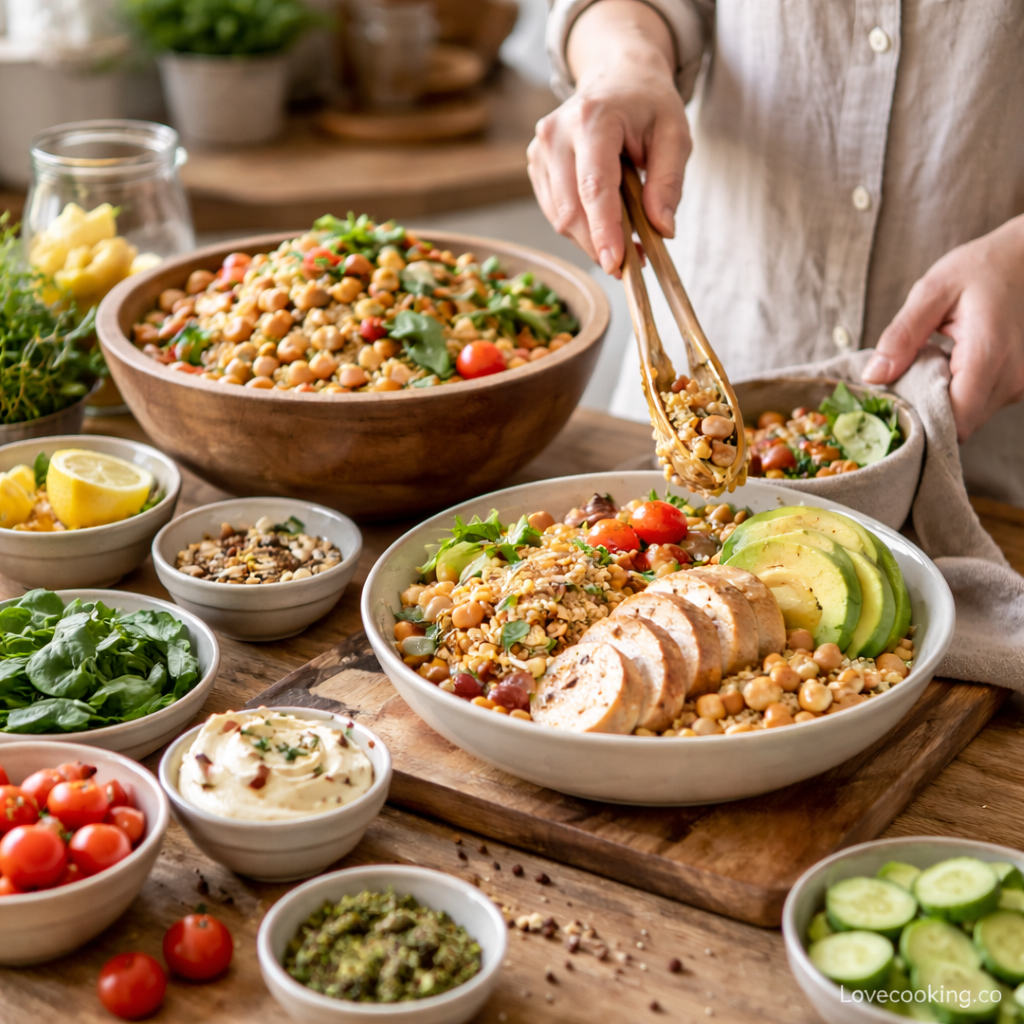
When people hear the phrase “healthy eating,” they often imagine strict diet plans, calorie tracking, or complicated rules about what to eat and what to avoid. But in real life, most people don’t want or need that level of restriction. Daily life is busy, unpredictable, and different for everyone. The good news is that you can cook nutritious meals without following strict diet plans. In fact, many people naturally eat healthier just by making simple, consistent choices in the kitchen rather than following rigid systems.
In practical terms, nutritious cooking is not about perfection—it’s about balance. It’s about understanding food in a simple way and building meals that support energy, fullness, and overall well-being without stress. This article explains how to approach everyday cooking in a flexible, realistic, and sustainable way that fits real-life routines.
What It Means to Cook Nutritious Meals Without a Diet Plan
Cooking without a strict diet plan simply means you are not following fixed rules like counting every calorie or avoiding entire food groups. Instead, you focus on general balance and food quality.
A Simple Understanding of Nutritious Cooking
Nutritious cooking usually involves:
- Including a mix of protein, carbohydrates, and fats
- Adding vegetables or fruits regularly
- Using fresh or minimally processed ingredients when possible
- Avoiding extreme restrictions
Real-Life Interpretation
For example:
- Instead of a strict “low-carb diet,” you might simply reduce refined carbs and include more whole grains
- Instead of cutting out fats completely, you might use them in smaller, smarter amounts
This approach is flexible, making it easier to maintain in the long term.
Why Flexible Cooking Works Better in Everyday Life
Strict diets often fail because they don’t match real-life habits. People have different schedules, food preferences, and cultural traditions.
The Reality of Daily Cooking
In many households:
- Meals are shared among family members with different preferences
- Time for cooking may be limited
- Ingredients may vary based on availability
In such situations, flexibility becomes more practical than rigid planning.
Real-World Example
A working parent may not have time to follow a detailed diet plan every day. Instead, they might focus on:
- Cooking simple home meals
- Adding vegetables to regular dishes
- Choosing balanced portions
This naturally leads to healthier eating without pressure.
Building Balanced Meals Without Overthinking
One of the easiest ways to cook nutritious food is to focus on balance rather than rules.
The Simple Plate Approach
You can think of meals in a very basic structure:
- A source of protein (like eggs, lentils, chicken, or beans)
- A source of carbohydrates (like rice, roti, or potatoes)
- Vegetables or fruits
- A small amount of healthy fats
Real-Life Example
A typical balanced meal might look like:
- Rice + lentils + cooked vegetables + yogurt
- Roti + chicken curry + salad
- Eggs + toast + fruit
There is no need for strict measurement—just balance.
Practical Impact
This method helps:
- Reduce confusion about what to cook
- Make meals more consistent
- Support better energy levels throughout the day
Using Everyday Ingredients to Create Nutritious Meals
You don’t need special foods or expensive ingredients to cook healthy meals. Most kitchens already have what is needed.
Common Nutritious Ingredients
- Eggs
- Lentils and beans
- Rice and wheat
- Seasonal vegetables
- Fruits
- Milk or yogurt
Real-Life Cooking Scenario
A simple lentil soup with rice and vegetables can be a complete, nutritious meal. It doesn’t require special diet rules—just basic ingredients prepared properly.
What This Means in Daily Life
This approach makes healthy cooking
- More affordable
- Easier to maintain
- Less dependent on external products or trends
Cooking Methods That Naturally Improve Nutrition
How food is cooked can be just as important as what is cooked.
Simple Healthy Cooking Methods
- Boiling or steaming vegetables
- Grilling instead of deep frying
- Sautéing with minimal oil
- Baking instead of heavy frying
- Slow cooking for better flavor development
Real-World Example
Instead of deep-frying potatoes, roasting them with a small amount of oil can still produce a tasty dish with less heaviness.
Practical Impact
Better cooking methods:
- Preserve natural nutrients
- Reduce unnecessary oil usage
- Improve overall food quality without effort
Adding Vegetables and Fruits Without Changing Your Entire Diet
One of the simplest ways to improve nutrition is by increasing plant-based foods in everyday meals.
Easy Ways to Add Them
- Add vegetables to rice or noodles
- Include salad with lunch or dinner
- Use fruits as snacks instead of packaged foods
- Mix vegetables into soups or curries
Real-Life Example
A basic chicken curry becomes more nutritious when vegetables like carrots, peas, or spinach are added during cooking.
Why It Matters
In daily life, this:
- Improves meal variety
- Increases fiber intake naturally
- Makes meals more filling without strict planning
Cooking for Families Without Separate Diet Rules
One challenge many households face is cooking for multiple people with different needs.
Flexible Family Cooking Approach
Instead of making separate diet meals, families can:
- Cook one balanced meal for everyone
- Allow individual adjustments (spices, portion size, sides)
- Keep meals simple and adaptable
Real-Life Scenario
A family might cook rice, vegetables, and chicken. One person may eat more vegetables, another may take more rice, but everyone shares the same base meal.
Practical Impact
This approach:
- Reduces cooking complexity
- Saves time and effort
- Encourages shared eating habits
Managing Cravings Without Strict Restrictions
Strict diets often fail because they completely restrict certain foods. A more realistic approach is balance and moderation.
Simple Strategies
- Allow occasional treats without guilt
- Balance heavier meals with lighter ones
- Focus on portion awareness instead of elimination
Real-Life Example
If someone enjoys fried food occasionally, they can balance it with lighter meals during the rest of the day instead of avoiding it completely.
What This Means in Practice
This approach helps:
- Reduce stress around eating
- Support long-term consistency
- Create a healthier relationship with food
Common Challenges in Non-Diet Nutritional Cooking
Even without strict plans, some challenges still exist.
Lack of Awareness
Many people are unsure what “balanced meals” actually mean in practice.
Busy Lifestyles
Time pressure often leads to quick, less balanced food choices.
Habit-Based Eating
People often repeat familiar meals, even if they are not well balanced.
Real-World Reality
These challenges are normal and usually improve with:
- Small daily improvements
- Gradual changes instead of sudden shifts
- Learning simple cooking habits
Practical Tips to Cook Nutritious Meals Easily
Here are simple, realistic habits that make a big difference over time:
- Keep meals simple instead of complicated
- Use fresh ingredients when available
- Add vegetables to at least one meal daily
- Include protein in most meals
- Cook in batches when time is limited
- Avoid overthinking food rules
Real-Life Impact
In everyday life, these habits slowly improve meal quality without feeling restrictive or overwhelming.
Future Trends in Everyday Nutritious Cooking
Eating habits are gradually changing as people look for simpler and more sustainable approaches.
Shift Toward Flexible Eating
More people are moving away from strict diets and focusing on balanced lifestyle eating.
Home Cooking Awareness
Cooking at home is becoming more common, giving people better control over ingredients.
Simple Nutrition Understanding
Instead of complex diet systems, people are relying more on basic food balance principles.
Real-Life Interpretation
This means nutrition is becoming more practical and less rule-based, which fits better with modern lifestyles.
Conclusion
Cooking nutritious meals does not require strict diet plans, complicated tracking, or food restrictions. It is about understanding basic food balance and applying it in simple, flexible ways that fit real life. By focusing on balanced meals, using everyday ingredients, and adopting simple cooking methods, anyone can improve their eating habits without stress. In daily life, this approach is easier to maintain, more enjoyable, and more realistic than rigid diet systems. The key takeaway is simple: nutritious eating is not about following rules—it’s about making better choices consistently in a way that fits your lifestyle.

Youssef El Amrani is a home cook who learned to cook out of necessity — tight budget, small kitchen, no time. Every recipe and technique on LoveCooking.co is tested in his actual home kitchen with standard equipment. No culinary degree, just years of daily practice. Contact: contact@lovecooking.co