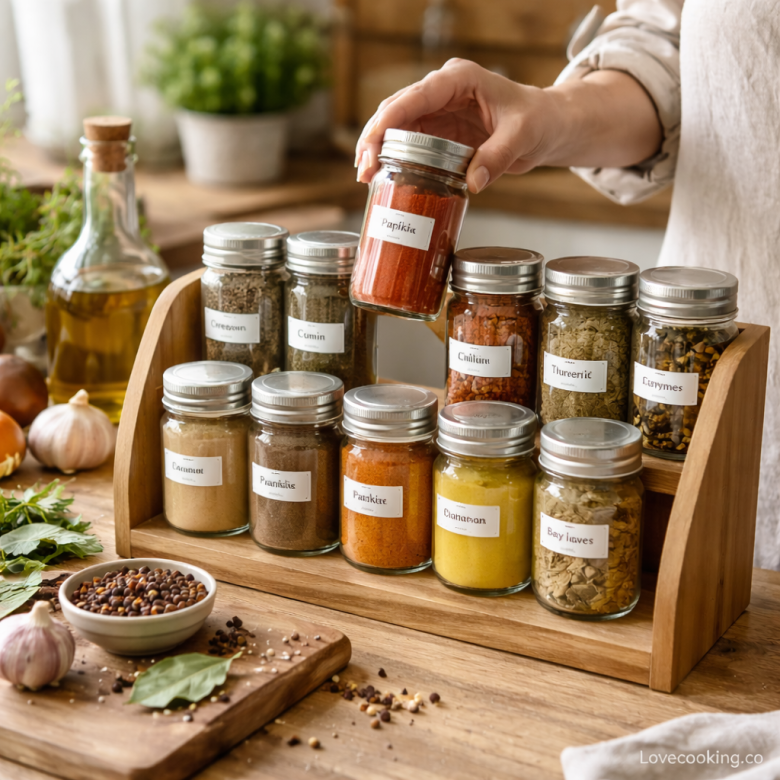
Spices are the heart of every flavorful meal. Whether you’re cooking a simple lentil curry, a spicy stir-fry, or a slow-cooked rice dish, spices are what give food its identity. But here’s something many home cooks don’t realize: even the best spices lose their power if they are not stored correctly.
If your food tastes dull, flat, or less aromatic than expected, the problem may not be your cooking—it could be your spice storage habits. Knowing how to store spices correctly to maintain flavor and freshness can completely transform your cooking experience. In this guide, we’ll explore simple, practical, and real-world ways to keep your spices fresh for longer so every meal you cook tastes vibrant and full of life.
Why Proper Spice Storage Matters More Than You Think
Spices are naturally rich in essential oils that give them aroma and flavor. Over time, exposure to air, heat, light, and moisture slowly breaks down these oils.
When that happens, you may notice:
- Weak or faded aroma
- Less flavor in cooked dishes
- Need to use more spice for the same taste
- Dull color in spice powders
This doesn’t mean your spices are “bad,” but they lose their strength if not stored properly.
Proper storage helps you:
- Preserve natural aroma and flavor
- Reduce food waste
- Improve cooking consistency
- Save money by avoiding frequent replacements
Once you understand this, storing spices becomes less of a chore and more of a smart cooking habit.
Understanding What Damages Spice Freshness
Before learning storage methods, it’s important to understand what harms spices in the first place. Most people unknowingly expose spices to conditions that reduce their quality.
1. Heat Exposure
Heat is one of the biggest enemies of spice freshness. Keeping spices near the stove may seem convenient, but constant heat slowly destroys their essential oils.
2. Moisture and Humidity
Moisture causes spices to clump, lose flavor, and sometimes even grow mold. This is especially common in humid kitchens.
3. Light Exposure
Direct sunlight or bright kitchen lighting can fade spices over time, reducing both aroma and color.
4. Air Exposure
Every time spices are left open, oxygen enters and starts breaking down their natural compounds.
Understanding these factors is the first step toward better spice storage habits.
Choosing the Right Containers for Spice Storage
One of the most important decisions in spice storage is the container you use. Many people overlook this, but it makes a huge difference.
Best Container Types for Spices
- Glass jars with airtight lids: Best option for preserving freshness
- Stainless steel containers: Durable and moisture-resistant
- Ceramic jars: Good for decorative storage with proper sealing
What to Avoid
- Thin plastic containers that absorb odors
- Open bowls or loosely covered jars
- Transparent containers exposed to sunlight
Pro Tip for Better Storage
Use small containers instead of large ones. Every time you open a spice jar, air enters. Smaller jars reduce exposure and help preserve freshness longer.
Where You Store Spices Matters More Than You Expect
Even the best containers won’t help if spices are stored in the wrong place.
Ideal Spice Storage Location
- Cool and dry cupboard
- Away from stove and oven
- Away from direct sunlight
- Low-humidity area in the kitchen
Places to Avoid
- Above or near the cooking stove
- Near windows with sunlight exposure
- Refrigerators (unless specified for certain spices)
Keeping spices in the right environment helps maintain both flavor and aroma for a longer time.
Whole Spices vs Ground Spices: Storage Differences
Not all spices behave the same way. Whole spices last much longer than ground spices because they have a protective outer layer.
Whole Spices (Long Shelf Life)
Examples: cinnamon sticks, cloves, cardamom, black pepper
- Store in airtight containers
- Keep away from moisture
- Can last for months or even years if stored properly
Ground Spices (Shorter Shelf Life)
Examples: turmeric powder, chili powder, cumin powder
- Lose flavor faster
- Require tighter storage conditions
- Should be used within a few months for best taste
Simple Rule
If possible, buy whole spices and grind them in small batches. This keeps flavor stronger and fresher.
Organizing Your Spice Collection for Easy Use
A well-organized spice setup not only looks good but also improves cooking efficiency.
Smart Organization Tips
- Group spices by usage (daily spices, special spices, baking spices)
- Label each jar clearly
- Arrange frequently used spices at the front
- Keep similar spices together (e.g., all curry spices in one section)
Benefits of Proper Organization
- Faster cooking process
- Less confusion while cooking
- Easier to track freshness
- Reduced chances of overusing spices
When spices are easy to access, cooking becomes more enjoyable and less stressful.
How to Keep Spices Fresh for Longer
Beyond storage, there are simple habits that help extend spice life significantly.
1. Always Use Dry Spoons
Never use a wet spoon to take spices out. Even a small amount of moisture can damage the entire jar.
2. Close Lids Immediately
Leaving jars open for even a few minutes allows air and moisture to enter.
3. Avoid Direct Steam Exposure
Do not open spice containers near boiling pots or steam. Moisture can quickly reduce quality.
4. Buy in Small Quantities
Instead of bulk buying, purchase smaller amounts more frequently to ensure freshness.
5. Rotate Your Stock
Use older spices first before opening new ones. This avoids long storage time.
Signs That Your Spices Are Losing Freshness
Even with proper care, spices eventually lose their strength. Knowing the warning signs helps you decide when to replace them.
Common Signs
- Weak smell when crushed or rubbed
- Faded or dull color
- Less flavor impact in cooking
- Clumping or hard texture in powders
If you notice these signs, it may be time to refresh your spice collection.
Mistakes People Commonly Make When Storing Spices
Many households unintentionally shorten spice life due to simple mistakes.
1. Storing Near Heat Sources
Keeping spices near the stove is one of the most common errors. Heat reduces potency quickly.
2. Using Large Open Containers
Bigger containers mean more air exposure every time you open them.
3. Mixing Old and New Spices
Adding new spices into old containers can reduce overall freshness.
4. Ignoring Expiry Awareness
Spices don’t spoil like milk, but they do lose quality over time. Ignoring this leads to poor taste in food.
How Proper Spice Storage Improves Your Cooking
When spices are fresh and well-stored, the difference in cooking is noticeable.
Benefits You’ll Experience
- Stronger aroma in dishes
- Better color in curries and sauces
- Less need for extra seasoning
- More balanced flavors
- Consistent cooking results
Good spice storage doesn’t just preserve ingredients—it enhances your entire cooking experience.
Seasonal Tip: Managing Spices in Humid Weather
In humid climates, spices need extra care because moisture levels are higher.
Extra Protection Tips
- Add silica gel packs (food-safe) in storage areas
- Keep spices in tightly sealed jars
- Avoid storing near sinks or dishwashing areas
- Check regularly for clumping or moisture buildup
A little extra attention during humid months can save your spice collection.
Simple Spice Storage Setup for Any Kitchen
You don’t need an expensive setup to store spices properly. A simple system works perfectly.
Basic Setup Idea
- 10–15 small airtight jars
- A labeled spice rack or drawer
- A cool, shaded cabinet
- A dedicated dry spoon for spices
This basic system is enough to keep your spices fresh and organized for daily cooking.
Conclusion
Learning how to store spices correctly to maintain flavor and freshness is one of the easiest ways to improve your everyday cooking. Spices are powerful ingredients, but only when they are handled and stored with care. By keeping them away from heat, moisture, air, and light, you preserve their natural aroma and taste.
Small habits like using airtight containers, storing spices in cool areas, and avoiding moisture can make a big difference in how your food tastes. Fresh spices don’t just improve flavor—they make cooking more enjoyable, consistent, and satisfying. When your spices are fresh, even the simplest meal can feel rich, aromatic, and homemade in the best way.
FAQs
1. How long do spices stay fresh when stored properly?
Whole spices can last up to 1–3 years, while ground spices usually stay fresh for 6–12 months depending on storage conditions.
2. Can I store spices in the refrigerator?
Generally, it is not recommended unless specified, because moisture inside the fridge can affect spice quality.
3. What is the best container for storing spices?
Airtight glass or stainless steel containers are best for maintaining freshness and preventing moisture exposure.
4. How can I tell if my spices are no longer fresh?
If spices lose aroma, color, or flavor impact, or become clumpy, they are likely past their best quality.
5. Should I buy whole spices or ground spices for better freshness?
Whole spices are better for long-term freshness because they retain essential oils longer than ground spices.