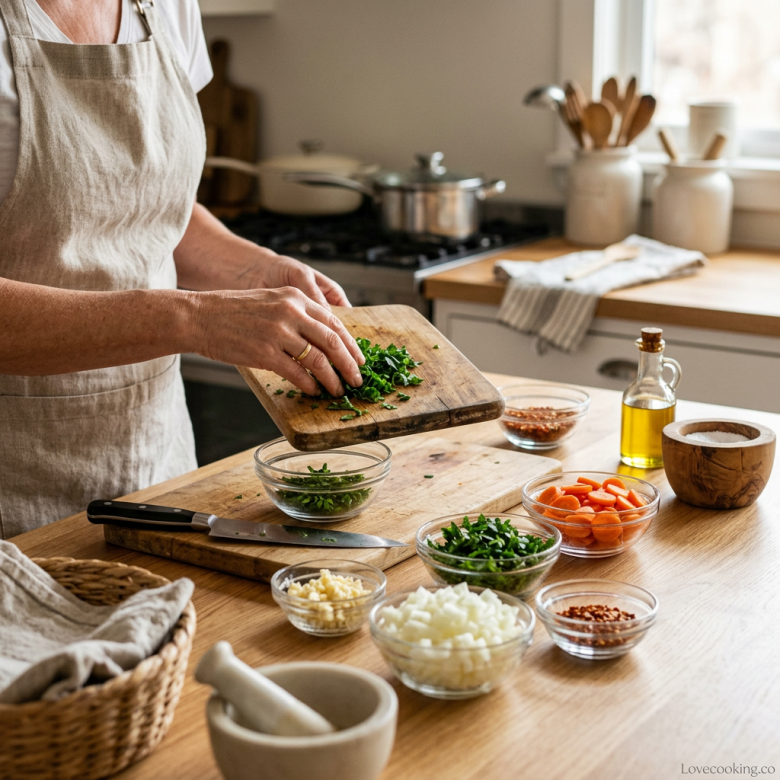
There’s a moment many people quietly experience in their kitchens: standing in front of the stove, hungry, slightly tired, and already overwhelmed before even starting to cook. Not because cooking is difficult, but because everyday meals somehow feel heavier than they should. I’ve been in that exact situation more times than I can count. You open the fridge, look at ingredients, and instead of feeling inspired, you feel unsure where to begin. Then the cooking starts, but so does the chaos—missing tools, unwashed dishes, forgotten ingredients, and suddenly a simple meal turns into a stressful task.
What changed things for me wasn’t learning fancy recipes. It was building basic cooking habits that made the whole process smoother, lighter, and more predictable. Once those habits became part of my routine, everyday cooking stopped feeling like a burden and started feeling like a normal, manageable part of the day. That’s what this guide is about—simple, practical cooking habits that make your daily meals easier without requiring extra time or effort.
Starting With a “Reset Kitchen” Habit Before You Cook
One of the biggest reasons cooking feels difficult is that we often start in a messy or unprepared kitchen. When the space is already chaotic, even simple cooking feels complicated. A small habit that makes a huge difference is what I call the “reset kitchen” routine. It doesn’t take more than 5–10 minutes, but it completely changes how cooking feels.
Before you start cooking, try this:
- Clear the countertop of unnecessary items
- Put used utensils in one place
- Wipe the stove and nearby surfaces
- Take out only the ingredients you actually need
- Empty or organize the sink if possible
This small reset creates a sense of control. Suddenly, you’re not fighting against clutter—you’re working in a space that supports you.
What I noticed personally is that when my kitchen feels clean at the start, I naturally cook more calmly and make fewer mistakes. It’s like starting a journey with a clear road instead of a crowded one.
Keeping Ingredients Ready Instead of Searching Mid-Cooking
One habit that quietly slows down everyday cooking is searching for ingredients while cooking. It sounds small, but it disrupts your entire flow.
Imagine you’re cooking rice and curry at the same time. You start one task, then suddenly realize you forgot turmeric, or you need oil, or salt is missing from the counter. Every small interruption breaks your rhythm.
A simple solution is “ingredient readiness.”
Before turning on the stove:
- Gather all ingredients on the counter
- Measure spices if the recipe is new
- Wash and cut vegetables in advance
- Keep frequently used items within arm’s reach
This habit reduces panic moments during cooking. Instead of stopping and thinking, you just follow a smooth sequence.
One example from my own routine: when I started placing spices in small bowls before cooking, my cooking time reduced noticeably. Not because I cooked faster, but because I stopped pausing to search for things.
Cooking becomes easier when your hands are free from searching and your mind is free from remembering.
Learning the Power of Simple Meal Planning (Without Overcomplicating It)
Meal planning often sounds like something complicated, but in reality, it can be very simple and flexible. You don’t need a strict chart or weekly schedule. You just need a rough idea of what you’ll cook.
The biggest benefit of basic meal planning is reducing decision fatigue. Every day, you don’t have to start from zero.
A simple approach:
- Decide 2–3 main dishes you can rotate during the week
- Keep backup quick meals (like eggs, sandwiches, or simple rice dishes)
- Reuse ingredients in multiple meals
- Plan based on what you already have, not what you wish to cook
For example, if you buy chicken, you can use it in curry one day, grilled another day, and in sandwiches later. This reduces both preparation time and waste.
I personally noticed that when I stopped thinking “What should I cook today?” every evening and instead had a rough idea already in mind, cooking became less stressful and more automatic.
It’s not about restriction—it’s about removing unnecessary thinking.
Developing the Habit of Cooking in Steps, Not All at Once
One mistake many home cooks make is trying to do everything at the same time. They chop, cook, stir, clean, and season all together without a clear order. This creates confusion and slows everything down.
A more efficient habit is cooking in steps.
Think of cooking as a sequence:
- Preparation (washing, cutting, organizing)
- Cooking base (oil, onions, spices, main heat work)
- Adding main ingredients
- Simmering or final cooking
- Finishing touches and plating
When you follow this order, everything becomes predictable. You’re not guessing what to do next—you already know.
For example, when making a simple vegetable dish, I used to chop and cook simultaneously. Now I finish all chopping first. The result? Less stress, fewer mistakes, and surprisingly faster cooking.
Cooking in steps also helps avoid burning food or overcooking ingredients because your attention is not scattered.
Building the “Clean While You Cook” Mindset
A clean kitchen is not something you achieve only after cooking. It’s something you maintain during cooking.
This habit completely changed my cooking experience. Instead of facing a huge mess at the end, I started managing small messes as they happen.
Here’s how it works in practice:
- While food is boiling, wipe nearby surfaces
- Wash small utensils immediately after use
- Put ingredients back in place after using them
- Keep a small bowl for waste instead of scattering scraps
- Clean spills instantly instead of letting them dry
These small actions take seconds, but they prevent buildup.
One real example: I used to leave all utensils in the sink until the end. After changing this habit and washing a few items during cooking breaks, my post-cooking cleanup time reduced significantly.
The key idea is simple: small cleaning moments prevent big cleaning stress.
Using Simple Tools the Right Way Instead of Overloading Your Kitchen
Many people think faster cooking requires more tools. In reality, it often requires better use of fewer tools.
You don’t need a complicated setup. You just need to use what you already have effectively.
Basic tools that make a big difference:
- A sharp knife for quick and safe chopping
- A large cutting board for organized prep
- One or two good pans instead of many unused ones
- A lid for faster cooking and less mess
- Basic measuring spoons for consistency
The mistake many people make is switching tools too often. Every extra tool adds cleaning time later.
For example, instead of using three different pans for one meal, try simplifying to one or two. You’ll notice not only faster cooking but also easier cleanup.
Less complexity always leads to smoother cooking.
Creating Small Kitchen Routines That Build Consistency
The most powerful cooking improvements don’t come from big changes—they come from small routines repeated daily.
A simple daily cooking routine might look like this:
Before cooking:
- Reset kitchen space
- Gather ingredients
- Prepare waste bowl
During cooking:
- Follow step-by-step order
- Clean small messes immediately
- Avoid unnecessary tool switching
After cooking:
- Wash key utensils right away
- Wipe counters and stove
- Put ingredients back in place
When this becomes routine, cooking stops feeling like a task you “start from scratch” every day. It becomes something predictable and easy to enter. I noticed that once I built this rhythm, even cooking after a long day didn’t feel exhausting anymore. It felt automatic, like a familiar process I could follow without stress.
Consistency is what turns effort into ease.
Avoiding Common Habits That Make Cooking Harder Than It Needs to Be
Sometimes cooking feels difficult not because of what we do, but because of small habits that slow everything down.
Some common ones include:
- Starting without preparation
- Ignoring kitchen organization
- Multitasking without sequence
- Delaying cleaning until the end
- Overcomplicating simple recipes
Another major issue is impatience—trying to speed up cooking by rushing steps instead of following them properly. Ironically, rushing often leads to mistakes that take more time to fix. A better approach is calm efficiency. When you follow a clear process, you naturally become faster without forcing it. Once you become aware of these habits, improving becomes easier because you’re fixing root causes, not symptoms.
Conclusion:
Making everyday meals easier is not about becoming a professional chef or learning complicated recipes. It’s about building small, consistent habits that simplify your cooking process. When you reset your kitchen before cooking, prepare ingredients in advance, follow step-by-step cooking, clean as you go, and keep routines simple, everything becomes smoother.
Over time, these habits remove stress from cooking. Instead of feeling like a daily challenge, it becomes a natural part of your routine—something you can do comfortably, even on busy days. The real transformation doesn’t come from cooking faster. It comes from cooking smarter with less mental effort.
FAQs
1. What is the easiest habit to start improving my cooking routine?
The easiest habit is preparing ingredients before cooking. It reduces confusion and keeps the process smooth.
2. How can I make cooking less stressful every day?
Keep your kitchen organized, follow a simple cooking sequence, and clean small messes as you cook.
3. Do I need meal planning to cook faster?
Not strict planning, but having a basic idea of meals helps reduce daily decision-making stress.
4. Why does cooking feel so tiring sometimes?
It often feels tiring due to clutter, lack of preparation, and multitasking without structure.
5. How long does it take to build good cooking habits?
Most people notice improvement within 1–2 weeks of consistent practice and routine building.