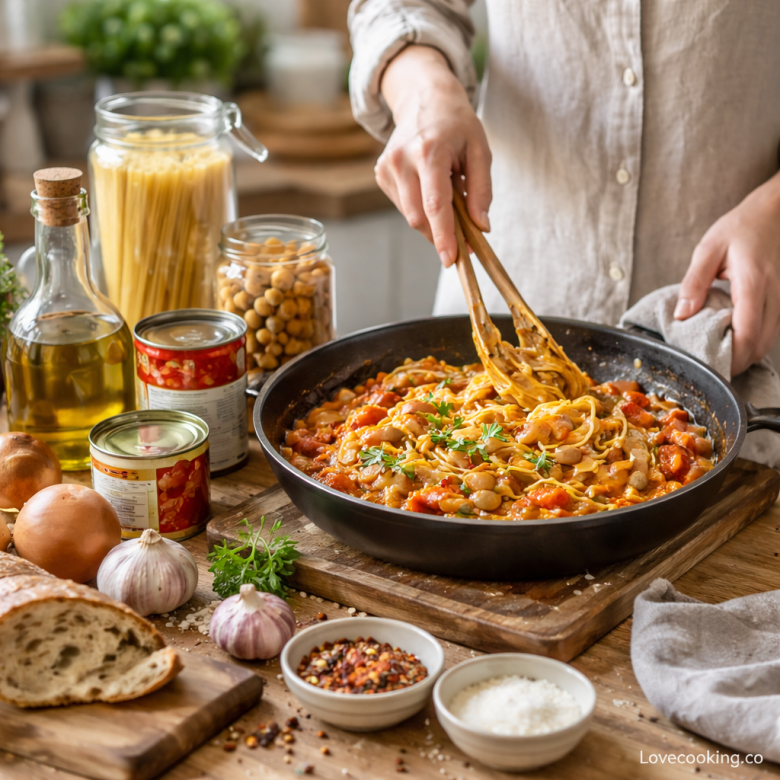
Cooking tasty meals doesn’t always require fancy ingredients, expensive groceries, or complicated recipes. In many real-life situations, people rely on what they already have at home—basic pantry items like rice, lentils, flour, pasta, canned foods, and simple spices. Learning how to turn these everyday staples into flavorful meals is a practical skill that can make daily life easier, more organized, and less stressful.
This guide explains how pantry-based cooking works, why it is useful, and how you can create satisfying meals using simple ingredients already sitting in your kitchen.
What It Means to Cook Using Only Basic Pantry Ingredients
Cooking with pantry ingredients simply means preparing meals using non-perishable or commonly stored foods that don’t require frequent shopping. These are items most households already keep in their kitchen for daily use or emergencies.
Typical pantry ingredients include the following:
- Rice, pasta, and flour
- Lentils, beans, and chickpeas
- Cooking oil and salt
- Onions, garlic, and potatoes
- Basic spices like chili powder, turmeric, and black pepper
- Canned tomatoes or vegetables
- Stock cubes or seasoning mixes
In simple terms, it is about making full meals from what is already available instead of depending on fresh or specialty ingredients every time.
In real-life cooking, this approach becomes especially useful when you don’t feel like going shopping or when you want to stretch your groceries until the next trip.
How Pantry Cooking Works in Real Life
In practical terms, pantry cooking is all about combining simple ingredients in smart ways. The goal is not complexity—it’s balance, flavor, and creativity using limited resources.
A typical pantry-based meal follows a basic pattern:
- Start with a base (rice, pasta, or bread)
- Add a protein source (lentils, beans, eggs, or canned food)
- Include flavor builders (onions, garlic, spices)
- Add moisture or sauce (tomato paste, broth, or oil-based seasoning)
For example, a simple tomato rice dish can be made with just rice, onions, garlic, canned tomatoes, and basic spices. Even without fresh ingredients, the result can still be flavorful and filling.
This method is widely used in many households where shopping is done weekly or where people prefer to minimize food waste.
In everyday life, it means you can still prepare a proper meal even when your fridge looks almost empty.
Why Cooking with Pantry Ingredients Matters
This approach matters because it solves a very common household problem: limited time, limited ingredients, and the need for quick meals.
Let’s break it down in real-world terms.
1. Helps During Busy Days
When schedules are packed, going out for grocery shopping is not always possible. Pantry cooking allows meals to be prepared quickly without extra preparation time.
2. Reduces Dependence on Frequent Shopping
Not everyone has the time or ability to shop daily. Pantry-based cooking helps households plan meals more efficiently.
3. Encourages Resource Awareness
It makes people more mindful of what they already have, reducing unnecessary food waste.
4. Useful in Small or Shared Kitchens
Students, renters, or people living in shared spaces often rely on limited storage. Pantry cooking becomes a practical solution for them.
In simple words, it is a practical way of managing food without overcomplicating daily life.
How to Build Flavor Using Basic Ingredients
One common misconception is that pantry meals are bland. In reality, flavor depends more on technique than expensive ingredients.
Even with basic items, you can build taste using a few simple methods:
Layering Flavors Step by Step
Instead of adding everything at once, ingredients are added in stages:
- Start with oil, onions, and garlic for aroma
- Add spices to release flavor
- Add main ingredients like rice or beans
- Finish with seasoning adjustments
Using Simple Spice Combinations
Even a few spices can create strong flavor profiles. For example:
- Garlic + chili = spicy base
- Onion + turmeric = warm and earthy taste
- Tomato + salt = balanced sour-salty base
Using Cooking Liquids Smartly
Water, broth cubes, or tomato-based liquids help carry flavor throughout the dish.
In practical terms, this means you don’t need fancy sauces or rare ingredients to make food taste good. You just need to use what you already have in the right way.
Real-World Meal Ideas Using Pantry Staples
To understand pantry cooking better, let’s look at real-life meal examples that many people prepare at home.
1. Simple Lentil Stew
Lentils, onions, garlic, salt, and spices are cooked together until soft. It becomes a filling, protein-rich meal that can be eaten with rice or bread.
2. Garlic Tomato Pasta
Pasta cooked with canned tomatoes, garlic, oil, and seasoning creates a quick and satisfying dish without needing fresh vegetables.
3. Spiced Rice Bowl
Rice mixed with sautéed onions, spices, and leftover canned vegetables makes a simple but flavorful meal.
4. Egg and Rice Combination
Eggs cooked with spices and mixed into rice create a balanced and affordable meal option.
5. Basic Vegetable Soup
Using canned or stored vegetables with water and seasoning creates a light but nourishing soup.
These examples show how basic ingredients can still produce complete meals when used creatively.
Practical Impact on Everyday Life
Pantry-based cooking is not just about food—it also affects daily routines and lifestyle habits.
1. Saves Time in Daily Routine
Instead of spending time deciding what to cook and what to buy, pantry meals simplify decision-making.
2. Reduces Cooking Stress
When ingredients are already available, cooking feels less overwhelming and more manageable.
3. Supports Budget Awareness
While not a financial strategy, using pantry items helps reduce unnecessary grocery runs, which indirectly improves planning habits.
4. Encourages Creativity in Cooking
Limited ingredients often lead to more creative combinations and new recipe ideas.
In real-life terms, it helps people feel more in control of their kitchen even with minimal resources.
Challenges of Cooking with Only Pantry Ingredients
While pantry cooking is practical, it also has some limitations that are important to understand.
1. Limited Freshness
Since pantry ingredients are mostly stored or canned, they may lack the freshness of vegetables or herbs.
2. Repetitive Flavor Profiles
Using the same base ingredients can sometimes lead to similar-tasting meals if not varied properly.
3. Nutritional Balance Can Be Tricky
Without fresh produce, it may require extra attention to ensure balanced meals.
4. Ingredient Constraints
Sometimes, creativity is limited by what is actually available in storage.
In practical terms, pantry cooking works best when combined with occasional fresh ingredients for balance.
How People Adapt Pantry Cooking in Daily Life
Different households use pantry cooking in different ways depending on their lifestyle.
- Busy professionals often prepare quick pasta or rice meals
- Students rely on simple, low-effort dishes like lentils or eggs
- Families mix pantry items with fresh groceries for balanced meals
- Small households use pantry cooking to reduce waste and save time
This flexibility is what makes it such a widely used cooking approach around the world.
Future Trends in Pantry-Based Cooking
Pantry cooking is evolving as more people look for convenience and efficiency in their daily routines.
Some noticeable trends include:
- Meal kits designed around pantry staples
- Recipe apps focusing on “cook what you already have”
- Smart kitchen tools that suggest meals based on available ingredients
- Increased focus on minimal-waste cooking at home
In practical terms, this shows a growing interest in simplifying food preparation without sacrificing taste or nutrition.
Practical Tips for Better Pantry Cooking
If you want to improve your results using pantry ingredients, a few simple habits can help:
- Always keep basic spices organized and accessible
- Rotate ingredients so nothing is forgotten or wasted
- Learn 2–3 base recipes that can be modified easily
- Taste and adjust seasoning during cooking
- Use oils and aromatics to enhance flavor naturally
These small steps make pantry cooking more consistent and enjoyable in everyday life.
Conclusion
Cooking tasty meals using only basic pantry ingredients is a practical and realistic approach to everyday food preparation. It focuses on using what is already available at home to create simple, satisfying meals without unnecessary complexity.
In real-world terms, it helps people save time, reduce stress, and maintain consistent home cooking habits even when fresh ingredients are limited. While it may have some limitations, it remains one of the most reliable and flexible ways to cook in modern households. Ultimately, pantry cooking is not about restriction—it’s about resourcefulness and making everyday cooking more manageable.