During the week, it feels like a race against time. Work, studies, family responsibilities, and a constant stream of daily chores often make cooking the most daunting task. I always thought I was the only one struggling with this, but in reality, many people experience the same chaotic evenings. You come home exhausted, hungry, and mentally drained, only to have to decide what to cook all by yourself. That decision alone is enough to completely wear you out.
For a long time, I viewed cooking as something I would “do later,” but this approach always led to frustration. I ended up ordering takeout, skipping meals, or hastily whipping up something that wasn’t tasty. I realized that the key to easy cooking on busy weekdays doesn’t lie in becoming a better cook, but in setting up a system that works effectively, even when you feel exhausted. Everything changed when I stopped relying on motivation and started focusing on structure. Cooking ceased to be a burden and became an easily manageable part of my daily life. This change led me to explore simple strategies to make weekday meals easy, predictable, and surprisingly tasty.
How I Plan My Week Without Making It Complicated
The most important lesson I’ve learned is that meal planning doesn’t have to be complicated or rigid. I used to always avoid planning because I felt I needed long lists, detailed recipes, and tight schedules. But that kind of planning only caused extra stress. So, I started using a simpler approach: I first determine a general direction for my meals, rather than fixed dishes.
For example, instead of saying, “Tuesday I’m making a particularly complicated dish,” I decide right away that I’m eating rice or making a stir-fry. This gives me flexibility and avoids the pressure of having to make decisions every day. Once I know the direction, I no longer waste time after a busy day thinking about “what I’m going to do today.” This relaxed planning method also helps me eat a varied diet without overthinking it. I naturally alternate different dishes throughout the week, making every day different. Over time, I realized that consistency is more important than perfection when it comes to easy cooking, especially on busy workdays.
My Time-saving and Effortless Grocery Shopping Strategy
Previously, grocery shopping was a major source of stress for me. I would either buy too many unnecessary items or forget to buy important ingredients, causing my cooking plans to get disrupted. To solve this, I started shopping more purposefully. Instead of wandering aimlessly through supermarkets or endlessly browsing websites, I started thinking about how I could create suitable dishes from the perspective of basic ingredients. I wrote down the ingredients I already had at home and the ingredients I would actually use throughout the week. This helped me prevent clutter in the kitchen and avoid last-minute panic.
Another important change was using trusted ingredients. I stopped buying everything that appeared in online recipes. Instead, I relied on a few commonly used ingredients that I could combine to make various dishes. This not only saved money but also sped up cooking, because I already knew how these ingredients would work in my kitchen. This simple grocery habit made weekday cooking much easier and smoother. When your kitchen is stocked with practical and versatile ingredients, you don’t have to think long before you start cooking.
The Small Kitchen Setup Changes That Made a Big Difference
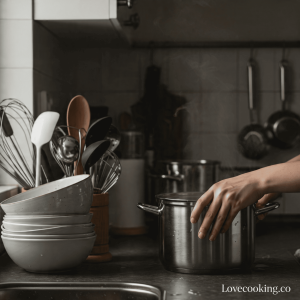
It wasn’t until I made a few small changes that I realized how much influence my kitchen layout had on my cooking stress. It wasn’t about buying expensive appliances or completely redesigning my kitchen; it was about how I organized my existing items better. I started by keeping frequently used items within easy reach. Cooking utensils, basic spices, and everyday ingredients are now in a place where I can grab them quickly without having to search. This alone has significantly reduced my frustration while cooking.
I also started keeping my cooking space clean and tidy on weekdays. A cluttered space often makes cooking overwhelming, especially when you are already tired. By creating a more open and streamlined kitchen layout, I noticed that I could concentrate better and work faster while preparing meals. Even small things like a separate cutting area or a clean cooking zone gave me more control. These adjustments might seem insignificant, but they have made the cooking process much easier.
Use Quick Prep Sessions to Avoid Evening Stress
One method that has truly changed my cooking habits is introducing short preparation steps. Instead of trying to get everything finished before dinner, I use fragmented moments throughout the day or even the evening before for preparation. During these preparation steps, I don’t cook the entire meal but rather prepare small portions, such as washing and chopping vegetables or marinating ingredients if necessary. This means that when I actually start cooking, half the work is already done.
The biggest benefit of this approach is the reduced mental strain. Knowing that some ingredients are already prepared makes cooking less stressful. Even on busy days, I can prepare a meal quickly because the preparatory tasks have already been done. Over time, these small preparation habits have gradually become a natural rhythm integrated into my daily life. I no longer feel rushed in the kitchen, and cooking has become a smooth process rather than a last-minute emergency chore.
My Flexible Meal Tips for Busy Evenings
On busy workdays, flexibility is crucial. I no longer rely on complex recipes but have started focusing on dishes that I can adapt to my time and energy levels. These meals are not fixed and can be adjusted to the available ingredients. For instance, I often choose dishes that are quick to prepare using basic products or dishes whose ingredients can be substituted without affecting the final result. This approach gives me a relaxed feeling and frees me from rigid steps.
The key is finding the right balance between simplicity and flexibility. The stress of cooking decreases when you can adapt meals to the circumstances. This also helps to reduce food waste, because you can use ingredients you already have in the kitchen instead of buying special ingredients for every meal. This flexibility ensures that my daily cooking routine is consistent. It fits real life, because time, energy, and mood change constantly.
How to Maintain Regularity Without Feeling Excessively Stressed
Persistence is often the hardest part of any habit, especially if you lead a busy life. I used to have a lot of self-confidence when developing cooking habits, but I soon fell into a stressful pattern. Later, I stopped striving for perfection and focused on small, repeatable actions, which changed my life. Instead of completely changing my cooking style, I developed simple habits that were easy to maintain, even on busy days. These habits required no motivation; they integrated into my daily life naturally.
I also learned to be flexible with myself. Some days go smoothly, other days are tough, and that is completely normal. If things don’t go according to plan, I don’t feel guilty; instead, I adjust my mindset and carry on without stress. This mindset prevents cooking from becoming an emotional burden. Over time, these small, consistent habits have formed a stable system. Cooking no longer feels like an effort; I can handle it with ease, no matter how busy the week is.
Conclusion
The key to easy cooking on busy workdays is not cooking faster or trying out more complex recipes, but building a simple, practical system that fits your lifestyle. Cooking becomes much easier when you focus on simple planning, an organized kitchen, some preparatory work in advance, and flexibility in your meals. The biggest change comes from your mindset. As soon as cooking is no longer viewed as a stressful task but as part of your daily self-care, everything becomes much easier. Develop good habits so that you can easily enjoy delicious, homemade meals without stress or overwhelm, even on the busiest workdays.
FAQs
1. With limited time during the week, how can I reduce the stress of cooking?
You can simplify your meal choices and prepare smaller portions of ingredients in advance. Even a few minutes of preparation during the day can significantly reduce stress in the evening.
2. Do I need to stick strictly to a meal plan to stay organized?
No, strict planning is not necessary. A flexible weekly menu is often more effective and easier to stick to in practice.
3. What are the best ways to save time while cooking during the week?
Keeping the kitchen clean, using familiar ingredients, and preparing some ingredients in advance are the most effective ways to save time.
4. How can I maintain my motivation to cook after a tiring day?
Instead of relying on motivation, focus on developing a habit. Creating a calm environment and keeping meals simple helps reduce resistance to cooking.
5. Do leftovers really help with cooking on busy weekdays?
Yes, leftovers can save time and effort. They can reduce the daily burden of cooking, making it easier to plan meals with a busy schedule.