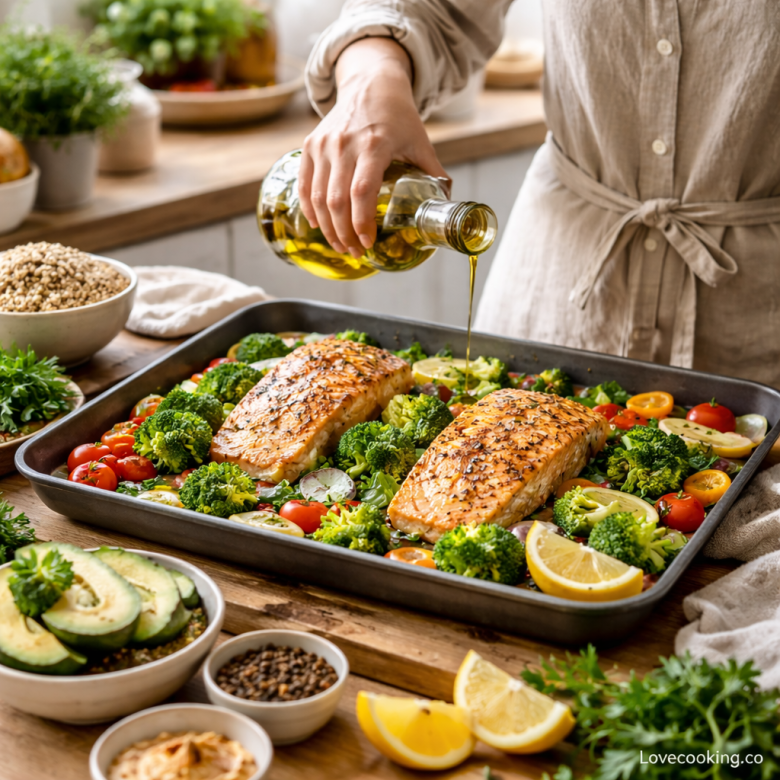
A lot of people want to eat healthier, but there’s a common complaint: healthy food feels bland or repetitive. This idea has been around for years, and it often comes from the way healthy cooking is introduced—less oil, less salt, fewer “rich” ingredients, and more boiled or plain food.
But in real life, healthy cooking doesn’t have to mean boring cooking. In fact, when done thoughtfully, healthy meals can be just as flavorful and satisfying as any comfort food. The difference is not in removing taste—it’s in using smarter cooking methods, natural ingredients, and simple techniques that bring out flavor in better ways. In practical terms, cooking healthy food without losing flavor is about balance. It’s about making meals that support everyday well-being while still feeling enjoyable enough to eat consistently. Because let’s be honest—if food doesn’t taste good, most people won’t stick with it long-term.
What “Healthy Cooking Without Losing Flavor” Actually Means
Healthy cooking doesn’t mean removing everything enjoyable from food. Instead, it focuses on preparing meals in a way that keeps nutrients intact while still enhancing natural taste.
At its core, this approach involves:
- Using fresh, whole ingredients instead of heavily processed ones
- Choosing cooking methods that preserve flavor naturally
- Using herbs, spices, and seasoning wisely
- Reducing unnecessary additives without removing taste entirely
For example, instead of deep-frying vegetables, you might roast or sauté them with light seasoning. Instead of relying on heavy sauces, you might use lemon juice, garlic, or herbs to build flavor naturally.
This shift is less about restriction and more about creativity. It changes how you think about food rather than limiting what you can enjoy.
The Role of Cooking Methods in Flavor and Health
One of the most important parts of healthy cooking is how food is prepared. The same ingredient can taste completely different depending on the method used.
Simple Cooking Methods That Enhance Flavor Naturally
Some everyday methods help retain both taste and nutrition:
- Grilling: Adds a smoky flavor without heavy oils
- Roasting: Brings out natural sweetness in vegetables
- Steaming: Keeps nutrients intact while maintaining mild taste
- Sautéing: Uses small amounts of oil to build flavor quickly
- Slow cooking: Allows ingredients to blend deeply over time
In real life, these methods can completely change how meals taste. For example, roasted carrots taste sweeter and richer than boiled ones, even without adding sugar or heavy seasoning.
Why This Matters in Daily Cooking
When people switch cooking methods, they often notice they don’t need as much salt, oil, or sauces. The natural flavor of food becomes more noticeable, which reduces reliance on heavy additives.
This is especially useful for families cooking daily meals, because it keeps food both enjoyable and balanced without extra effort.
Using Herbs and Spices Instead of Heavy Additives
One of the simplest ways to improve flavor in healthy cooking is by using herbs and spices effectively.
Everyday Flavor Boosters
Instead of depending on heavy sauces or excessive salt, you can build taste using the following:
- Garlic and ginger for depth
- Cumin and coriander for warmth
- Black pepper for mild heat
- Fresh herbs like mint, basil, or parsley for freshness
- Lemon juice or vinegar for brightness
These ingredients don’t just add flavor—they transform the entire character of a dish.
Real-Life Example
Think about plain boiled chicken. On its own, it might taste simple. But when you add garlic, lemon, black pepper, and a little olive oil, it becomes something far more enjoyable without making it unhealthy.
Practical Impact
In everyday cooking, this approach helps:
- Reduce dependence on packaged sauces
- Lower excess salt intake naturally
- Create variety using the same basic ingredients
It also encourages creativity in the kitchen, especially for home cooks who prepare meals daily.
Cooking with Natural Ingredients Instead of Processed Foods
Another key factor in healthy and flavorful cooking is ingredient quality.
Why Fresh Ingredients Matter
Fresh vegetables, fruits, grains, and proteins tend to have stronger natural flavors compared to processed or pre-packaged foods. When food is closer to its natural state, it often needs less “enhancement.”
For example:
- Fresh tomatoes taste brighter than canned sauces
- Fresh chicken has more texture than processed meat products
- Whole grains provide a deeper, nuttier flavor than refined versions
Real-World Cooking Scenario
Imagine making a simple vegetable stir-fry. If you use fresh bell peppers, onions, and garlic, the dish already has strong flavor without needing heavy seasoning. But if you rely on pre-made sauces, the natural taste of vegetables becomes less noticeable.
Everyday Benefit
This approach can help households:
- Improve meal quality without increasing cost significantly
- Reduce dependency on packaged foods
- Enjoy more natural, recognizable flavors
Smart Use of Oil, Salt, and Sugar Without Losing Taste
A common misconception is that healthy cooking means removing oil, salt, or sugar completely. In reality, it’s more about using them wisely.
Balanced Use of Ingredients
Instead of cutting everything out, focus on moderation:
- Use small amounts of healthy oils for cooking
- Add salt gradually and taste as you go
- Replace excess sugar with natural sweetness from fruits or spices
Real-Life Example
A homemade tomato sauce doesn’t need much sugar if the tomatoes are ripe and cooked slowly. Similarly, a small amount of oil can help spices release their aroma, improving taste without making the dish heavy.
Why It Works in Practice
When used correctly, these ingredients:
- Enhance natural flavors instead of overpowering them
- Help balance textures in food
- Make meals more satisfying, reducing cravings later
Meal Preparation Habits That Improve Flavor and Health
Cooking healthy food consistently often depends on planning, not just recipes.
Simple Preparation Habits
Some practical habits include:
- Pre-cutting vegetables for easy cooking
- Marinating proteins in spices ahead of time
- Keeping basic spice mixes ready
- Cooking grains like rice or quinoa in batches
These small steps reduce cooking stress and improve consistency.
Real-Life Scenario
A busy person coming home after work is more likely to cook a quick, flavorful meal if ingredients are already prepared. Without preparation, they may rely on fast food, which often lacks both balance and freshness.
Practical Impact
Meal preparation helps:
- Save time during busy schedules
- Encourage healthier choices naturally
- Reduce reliance on unhealthy convenience foods
Making Healthy Food Enjoyable for Families
One of the biggest challenges in healthy cooking is cooking for multiple people with different taste preferences.
Balancing Taste for Everyone
Families often need meals that are:
- Nutritious
- Flavorful
- Familiar enough to enjoy
A good approach is to build a base dish and let individuals adjust flavors slightly at the table.
Example in Daily Life
A vegetable curry can be prepared with mild spices. Some family members may add extra chili or lemon to suit their taste, while others enjoy it as is. This keeps the meal healthy while still satisfying everyone.
Why It Matters
This approach helps:
- Reduce food waste
- Increase acceptance of healthier meals
- Encourage shared eating habits at home
Common Challenges in Healthy Cooking (and How People Handle Them)
Even with good intentions, healthy cooking comes with challenges.
Lack of Time
Many people feel they don’t have time to cook fresh meals daily. This often leads to quick but less balanced food choices.
Taste Expectations
People used to heavily processed or fried foods may initially find healthier meals less intense in flavor.
Limited Cooking Knowledge
Not everyone is familiar with herbs, spices, or alternative cooking methods, which can make healthy cooking feel difficult at first.
Practical Reality
In everyday life, these challenges are usually solved gradually through:
- Learning simple recipes
- Experimenting with spices
- Building cooking routines over time
It’s not about perfection—it’s about steady improvement.
Future Trends in Healthy and Flavorful Cooking
Food habits are slowly changing as people become more aware of nutrition and lifestyle balance.
Growing Interest in Home Cooking
More people are cooking at home, experimenting with simple recipes that focus on both taste and health.
Use of Simpler Ingredients
There is a growing preference for fewer ingredients that are easier to understand and cook with.
Technology and Cooking Tools
Kitchen tools like air fryers, steamers, and smart cookers are making it easier to prepare flavorful meals with less effort.
Shift Toward Natural Flavoring
Instead of artificial flavor enhancers, there is increasing use of herbs, spices, and natural ingredients for taste.
Conclusion
Cooking healthy food without losing flavor is not about restriction—it’s about smarter choices. By focusing on cooking methods, natural ingredients, balanced seasoning, and simple preparation habits, everyday meals can become both nutritious and enjoyable.
In real life, this approach helps people maintain healthier eating patterns without feeling like they are giving up taste. Whether cooking for yourself or your family, small changes in how food is prepared can make a big difference over time. The key takeaway is simple: healthy food doesn’t have to be bland—it just needs thoughtful preparation.