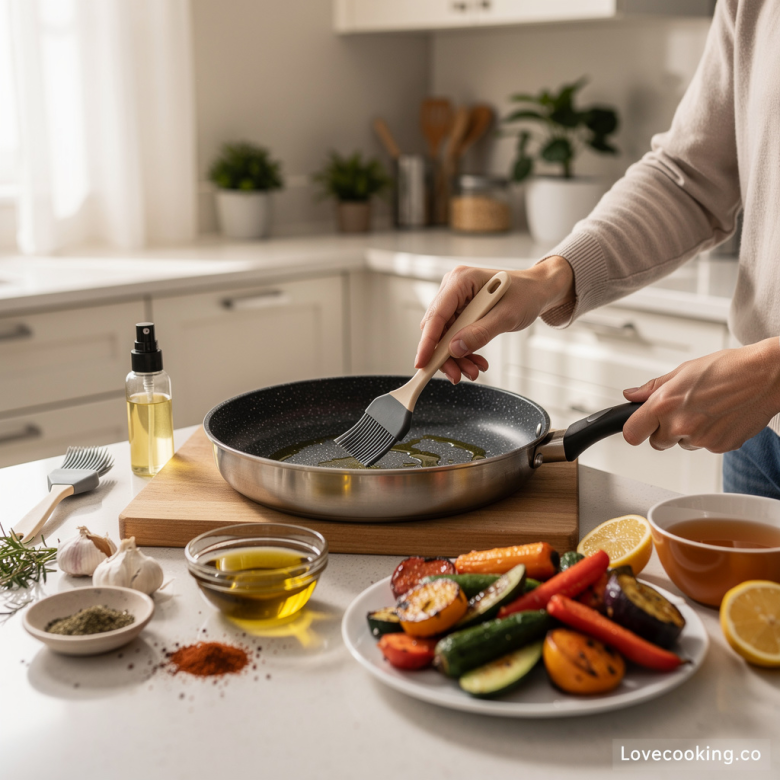
Cooking with oil is a normal part of almost every kitchen. It helps with frying, sautéing, flavor building, and texture. But over time, many people start looking for ways to reduce oil in daily cooking—mainly for lighter meals, easier digestion, or simply a more balanced eating style. The challenge is clear: oil adds flavor. So the question becomes, how do you reduce oil without making food taste dry or bland?
In real life, this is something many home cooks struggle with. You try to use less oil, but the food doesn’t feel the same. The good news is that reducing oil does not automatically mean losing taste. With a few simple techniques, you can still prepare flavorful meals while using much less oil than usual.
This article explains practical, real-world ways to do exactly that—without complicated cooking rules or unrealistic methods.
Understanding the Role of Oil in Everyday Cooking
Before reducing oil, it helps to understand why it is used in the first place. Oil is not just a cooking ingredient—it plays multiple roles in food preparation.
What Oil Does in Cooking
In simple terms, oil helps
- Carry and enhance flavors from spices
- Prevent food from sticking to pans
- Improve texture and mouthfeel
- Help with even cooking, especially in frying or sautéing
For example, when onions are cooked in a little oil, they soften and release aroma. That aroma becomes part of the dish’s overall flavor.
Why This Matters in Real Life
When people suddenly reduce oil without adjusting cooking methods, food can feel
- Dry or unevenly cooked
- Less aromatic
- Less satisfying in texture
So the goal is not to remove oil completely, but to use it more efficiently.
Smart Cooking Techniques That Naturally Reduce Oil Usage
One of the most effective ways to reduce oil is to change how food is cooked, not just how much oil is used.
Non-Stick and Water-Based Cooking Methods
Simple methods can make a big difference:
- Non-stick pans: Allow cooking with minimal oil
- Steam cooking: Keeps food moist without oil
- Boiling or blanching: Useful for vegetables and grains
- Baking and roasting: Uses heat instead of oil for texture
Real-World Example
Instead of frying potatoes in a large amount of oil, you can:
- Parboil them first
- Then roast with just a light coating of oil and spices
The result is still crispy and flavorful, but with much less oil.
Practical Impact
In daily cooking, these methods help:
- Reduce overall oil consumption naturally
- Maintain taste through cooking technique instead of excess fat
- Make meals lighter without sacrificing satisfaction
Using Spices and Aromatics to Replace Oil-Based Flavor
A major reason oil is overused is because it carries flavor. But spices and aromatics can do the same job when used properly.
Flavor-Building Ingredients
Some common kitchen ingredients that enhance taste include:
- Garlic and ginger for depth
- Onions for sweetness and aroma
- Cumin, coriander, and turmeric for warmth
- Chili, black pepper, and paprika for heat
- Fresh herbs like mint or coriander for freshness
How It Works in Real Cooking
Instead of relying on oil to carry flavor, you build flavor directly through spices. For example:
- Lightly sautéing garlic in a small amount of oil can still release strong aroma
- Adding spices early in cooking helps them blend into the dish naturally
Everyday Benefit
This approach helps:
- Reduce dependency on oil for taste
- Create richer flavor profiles naturally
- Make dishes more interesting even with less fat
Cooking with Moisture Instead of Excess Oil
Another simple but powerful technique is using moisture to replace oil in cooking processes.
Water, Broth, and Natural Juices
Instead of adding more oil, you can use the following:
- Small amounts of water while sautéing
- Vegetable or meat broth for depth
- Natural juices from tomatoes, onions, or other vegetables
Real-Life Cooking Example
When cooking onions for a curry:
- Instead of adding extra oil when they stick
- Add a splash of water and stir gently
This prevents burning and helps soften the onions without increasing oil content.
Practical Impact
In everyday kitchens, this method:
- Reduces oil use without changing flavor drastically
- Helps prevent burning or sticking
- Keeps food moist and balanced
Layering Ingredients for Better Flavor Without Extra Oil
Layering means building flavor step by step instead of relying on oil-heavy cooking.
How Flavor Layering Works
Instead of adding everything at once, you:
- Start with aromatics (onion, garlic, ginger)
- Add spices in stages
- Include vegetables or proteins gradually
- Adjust seasoning at the end
Example in Daily Cooking
In a simple vegetable curry:
- Lightly sauté onions with minimal oil
- Add spices and cook briefly
- Add tomatoes and let them release moisture
- Add vegetables and simmer
This builds depth without needing extra oil.
Why It Works
Layering:
- Improves taste naturally
- Prevents the need for heavy fats
- Makes cooking more controlled and balanced
Choosing the Right Cooking Equipment
Sometimes, reducing oil is not just about technique—it’s also about tools.
Useful Kitchen Tools
Some helpful cookware includes the following:
- Non-stick frying pans
- Air fryers
- Heavy-bottomed pots for even heat distribution
- Steamers for vegetables and dumplings
Real-World Example
An air fryer can make crispy foods like fries or chicken using very little oil. While it doesn’t completely replace traditional cooking, it reduces oil use significantly in everyday meals.
Practical Impact
Using the right tools:
- Makes low-oil cooking easier
- Reduces cooking mistakes like sticking or burning
- Encourages consistent healthy habits at home
Balancing Texture and Taste When Reducing Oil
One of the biggest concerns when reducing oil is texture. Food may feel dry or less appealing if not handled properly.
How to Maintain Good Texture
You can improve texture by:
- Cooking at the right temperature
- Using moisture-rich ingredients like tomatoes or yogurt
- Not overcooking vegetables or proteins
- Adding small finishing touches like lemon juice or herbs
Real-Life Example
A grilled chicken dish without excess oil can still feel juicy if it is
- Marinated properly
- Cooked at controlled heat
- Rested before serving
Practical Impact
This helps:
- Maintain enjoyable eating experience
- Avoid the feeling of “missing something” in low-oil meals
- Keep meals satisfying even with healthier preparation
Common Challenges People Face When Reducing Oil
Even with good techniques, reducing oil is not always easy at first.
Taste Adjustment Period
People used to oily food may initially feel
- Meals are less rich
- Flavor is different, not necessarily worse
- The texture feels lighter than expected
Cooking Habits
Old habits are hard to change, especially when recipes are passed down with specific oil quantities.
Misunderstanding “Healthy Cooking”
Some assume reducing oil means removing it completely, which can lead to unbalanced meals or poor texture.
Real-World Reality
Most people find success when they:
- Reduce oil gradually instead of suddenly
- Experiment with spices and methods
- Adjust recipes over time
Why Reducing Oil Matters in Everyday Life
Reducing oil is not just a cooking preference—it can influence daily lifestyle in subtle ways.
Lighter Daily Meals
Meals with controlled oil often feel lighter and less heavy after eating.
Better Cooking Awareness
People become more mindful of ingredients, which improves overall cooking quality.
Household Cooking Efficiency
Using less oil can also:
- Make cooking cleaner
- Reduce kitchen mess
- Encourage more home-cooked meals
Business and Food Service Perspective
For small food businesses, reducing excess oil can:
- Improve consistency in recipes
- Attract health-conscious customers
- Create a more balanced menu offering
Future Trends in Low-Oil Cooking
Cooking habits are slowly evolving due to lifestyle awareness and modern tools.
Rise of Smart Cooking Appliances
Air fryers, induction cooktops, and smart pans are making low-oil cooking more accessible.
Growing Focus on Balanced Eating
People are becoming more aware that food does not need to be oily to be flavorful.
Shift Toward Natural Flavors
There is increasing use of herbs, spices, and slow cooking instead of heavy oil-based methods.
Home Cooking Revival
More people are cooking at home, allowing better control over oil usage and ingredients.
Conclusion
Reducing oil in cooking does not mean sacrificing taste. It simply means changing how flavor is built in food. By using better cooking techniques, smart seasoning, moisture-based methods, and the right tools, meals can remain delicious while using significantly less oil. In everyday life, this approach helps create lighter, more balanced meals without making cooking complicated. It also encourages better awareness of how food is prepared and enjoyed. The key idea is simple: flavor does not come only from oil—it comes from how food is cooked, seasoned, and combined.