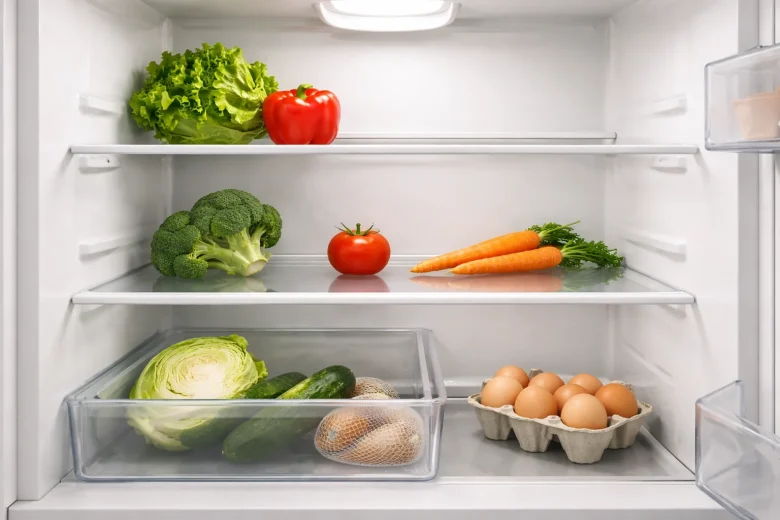
There’s a very specific kind of moment most of us recognize.
You open the fridge, hoping something will stand out—and instead, you discover a random mix of leftovers. You acquire a few eggs, maybe a soft carrot, half a jar of something you don’t remember opening, and not much else.
It’s tempting to give up and order food.
I used to do exactly that. I assumed that without a “proper” set of ingredients, I couldn’t make a proper meal.
Over time, though, I started approaching this situation differently.
Instead of seeing an empty fridge as a limitation, I began treating it as a starting point. That shift led me to rely more on pantry staples—and surprisingly, some of my most reliable meals came from those moments.
This is where what I now think of as a pantry-first approach really helped.
Why Pantry Cooking Works Better Than You Think
When your fridge is nearly empty, your pantry becomes the most useful part of your kitchen.
Staples like rice, pasta, lentils, canned goods, and basic spices can do more than just “fill gaps.” When used well, they can form complete, satisfying meals.
The advantage of pantry cooking is simple:
- Ingredients last longer
- Meals come together quickly
- You reduce food waste
- You rely less on last-minute shopping
Most importantly, it helps you become more flexible in the kitchen.
1. Spiced Rice with Chickpeas (A Reliable Fallback Meal)
When fresh ingredients are limited, rice becomes one of the easiest starting points.
How I Make It
I heat a little oil in a pan, then add:
- basmati rice
- a pinch of turmeric
- a small amount of cumin
Letting the rice toast briefly before adding water gives it a slightly nutty flavor.
Then I add a drained can of chickpeas and cook everything together.
Why It Works
- Rice provides a solid base
- Chickpeas add protein and texture
- Spices bring warmth and flavor without needing fresh ingredients
If onions aren’t available, a small amount of onion powder works surprisingly well.
2. Simple Garlic Pasta (Minimal but Satisfying)
This is one of the easiest meals you can make when options are limited.
Basic Ingredients
- pasta
- garlic (fresh or dried)
- olive oil
Optional additions include chili flakes or a small amount of cheese.
The Key Step
Before draining the pasta, reserve a small amount of the cooking water.
When you mix the pasta with oil and garlic, adding that starchy water helps create a light sauce that coats everything evenly.
Why It’s Useful
Even with very few ingredients, this dish feels complete and comforting.
3. Quick Tomato and Egg Skillet
This is a flexible dish that works well when you have a few vegetables to use.
How It Comes Together
Start with:
- canned tomatoes
- garlic or onion (fresh or dried)
Let it simmer, then add any vegetables you have—soft peppers, spinach, or even leftover cooked vegetables.
Make small spaces in the sauce and crack eggs directly into it. Cover the pan and let the eggs cook gently.
Why It Works
- Tomatoes create a rich base
- Eggs add protein
- It adapts easily to whatever you have
It’s simple, filling, and doesn’t require precise measurements.
4. Smart Substitutions When Ingredients Are Missing
When cooking from a limited kitchen, knowing small substitutions helps a lot.
Common Swaps
- No fresh onions → use onion powder
- No garlic → use garlic powder
- No lemon → use a small splash of vinegar
- No fresh herbs → use dried herbs
- No cream → use milk or skip it entirely
The Idea
These swaps don’t replicate the exact flavor, but they keep the dish balanced and enjoyable.
5. Quick Fried Rice from Leftovers
If you have leftover rice, this becomes one of the easiest meals to prepare.
What I Do
Heat a pan with oil, then add the rice and let it sit for a bit so it slightly crisps.
Add:
- soy sauce
- a small pinch of sugar or honey
- any leftover vegetables or frozen items
Push everything to one side and scramble an egg, then mix it all.
Why It Works
- uses leftovers efficiently,
- comes together quickly
- can be adjusted based on what’s available
6. Red Lentil Soup (Simple and Filling)
Red lentils are one of the most useful pantry ingredients.
Basic Method
Simmer red lentils with:
- water or simple broth
- canned tomatoes (optional)
- turmeric or other spices
They cook quickly and naturally break down into a soft, thick texture.
Why It’s Helpful
- No soaking required
- cooks in about 20 minutes
- creates a filling meal with minimal effort
If bread isn’t available, even toasted flatbread or crackers can work on the side.
7. Keep a Few Essential Pantry Items Ready
Cooking becomes much easier when a few basics are always available.
My Go-To Staples
- rice or pasta
- canned tomatoes
- lentils or beans
- cooking oil
- salt and basic spices
- eggs
Why This Matters
With just these items, you can create multiple meals without needing fresh groceries every time.
8. Use Scraps Instead of Throwing Them Away
Even when the fridge seems empty, there are often small bits that can still be used.
A Simple Habit
Save vegetable scraps like:
- onion ends
- carrot peels
- herb stems
Store them in the freezer.
How to Use Them
Boil the scraps with water to make a simple broth.
The Benefit
- adds flavor to basic meals
- reduces waste
- requires no extra cost
9. Keep Meals Simple When Options Are Limited
One thing I learned over time is that not every meal needs to be complicated.
What Helps
Focus on:
- one main ingredient
- one or two supporting flavors
- simple cooking methods
Why It Works
Trying to do too much with too little often leads to frustration.
Keeping things simple usually leads to better results.
10. Adjust Your Mindset About “Empty.”
An empty fridge doesn’t always mean you have nothing to cook.
Often, it just means you need to think differently about what you have.
A Better Approach
Instead of asking, “What can I make exactly? ”
Try asking:
- “What can I build from this? ”
- “What’s the simplest version of a meal I can make? ”
The Result
Cooking becomes more flexible and less stressful.
Bringing It All Together
Cooking without a full fridge isn’t about making perfect meals.
It’s about making practical ones.
Start with:
- a base (rice, pasta, lentils)
- something for flavor (spices, garlic, sauces)
- something for texture or protein (eggs, beans)
That combination is usually enough.
Final Thoughts
Some of the most useful cooking skills come from moments when you don’t have many options.
That’s when you learn how to adapt, substitute, and simplify.
For me, those “nothing in the fridge” days turned into a way to cook with more confidence—not less.
You stop relying on exact recipes and start understanding how meals come together.
And once that shift happens, even a nearly empty kitchen can feel like enough.