A framework, not a recipe book — how to build fast meals that actually fill you up.
By Youssef El Amrani · June 2026 · 9 min read
I used to believe that cooking dinner in under thirty minutes meant either eating something processed or accepting that the meal would be mediocre. I would come home from work, stare into the fridge, and default to pasta with jarred sauce or a frozen pizza. It was fast. It was also unsatisfying — not just in flavor, but in the way it left me feeling an hour later, heavy and sluggish instead of nourished.
The change came when I stopped thinking about thirty-minute meals as rushed versions of real cooking and started thinking of them as a system. A set of rules and patterns that, once learned, make fast cooking automatic. Not every meal needs to be a masterpiece. But every meal can be real food — vegetables, protein, grains — assembled quickly without relying on processed shortcuts.
This is that system. It covers breakfast, lunch, and dinner. It assumes you have a basic pantry and fifteen minutes of prep time. And it produces meals that I would serve to anyone without warning them first that it was “fast food.”
The Framework: Four Parts, Zero Rules
Every meal in this system follows the same structure. Not because I am rigid, but because the structure makes decisions automatic. When you know you need four things, you stop staring into the fridge wondering what to make. You look for the four things.
The Four-Part Plate
🥬
Vegetables
Half your plate
🍗
Protein
A palm-sized portion
🍚
Starch
A fist-sized portion
🧂
Flavor
Acid, herbs, spice
That is it. Vegetables, protein, starch, flavor. If you have those four things, you have a meal. The rest is just technique — how to cook each part quickly and have them finish at the same time.
Breakfast in Ten Minutes
Breakfast is the easiest meal to speed up because the expectations are lower and the ingredients are simpler. But a bad breakfast sets a bad tone for the day. These are the breakfasts I rotate through during busy weeks — each takes ten minutes or less, uses one pan, and keeps me full until lunch.
Option 1: Savory Egg Bowl
Vegetables: Handful of spinach or leftover roasted vegetables
Protein: Two eggs, fried or scrambled
Starch: Leftover rice, quinoa, or a slice of toast
Flavor: Hot sauce, soy sauce, or everything bagel seasoning
Method: Heat vegetables in the pan first, push to the side, cook eggs in the same pan, assemble over starch. One pan, ten minutes.
Option 2: Yogurt and Nut Parfait
Vegetables: None — add a piece of fruit on the side
Protein: Greek yogurt (high protein, keeps you full)
Starch: Granola or rolled oats
Flavor: Honey, cinnamon, vanilla extract
Method: No cooking. Layer yogurt, granola, and toppings in a bowl. Takes three minutes. Add a banana or apple on the side for fiber.
Option 3: Avocado Toast with Egg
Vegetables: Tomato slices or arugula
Protein: One or two eggs, any style
Starch: Whole grain bread, toasted
Flavor: Salt, pepper, lemon juice, red pepper flakes
Method: Toast bread while cooking eggs. Mash avocado with lemon and salt. Assemble. Eight minutes total.
Lunch in Fifteen Minutes
Lunch is where most people fail. Either they skip it, grab something processed, or eat a sad desk salad that leaves them hungry by 3 PM. The key to a good lunch is building it around leftovers and pantry staples so you are not starting from scratch every day.
| Lunch Type | Base | Protein | Vegetables | Flavor |
|---|---|---|---|---|
| Grain Bowl | Leftover rice or quinoa | Canned beans or leftover chicken | Cherry tomatoes, cucumber, greens | Lemon-tahini dressing |
| Wrap | Whole wheat tortilla | Hummus or sliced turkey | Lettuce, tomato, shredded carrot | Mustard, hot sauce, pickles |
| Soup | Canned or leftover broth | Lentils, chickpeas, or tofu | Frozen mixed vegetables | Garlic, cumin, lemon juice |
| Stir-Fry | Leftover noodles or rice | Frozen shrimp or tofu | Bagged stir-fry mix | Soy sauce, ginger, sesame oil |
| Loaded Salad | Mixed greens or cabbage | Hard-boiled eggs or tuna | Avocado, cucumber, bell pepper | Olive oil, vinegar, Dijon |
Notice the pattern: every lunch starts with something already cooked or requires no cooking. The only active cooking is heating protein or assembling. This is how you build a fast lunch without resorting to processed food.
Dinner in Thirty Minutes
Dinner is where the system matters most. You are tired, hungry, and tempted to order takeout. The thirty-minute dinner is not about rushing. It is about parallel cooking — doing multiple things at once so nothing waits.
The Parallel Cooking Method
Instead of cooking one thing at a time, you work in three lanes simultaneously. While the oven preheats, you prep vegetables. While vegetables roast, you cook protein. While protein rests, you make a quick sauce. Everything finishes within five minutes of each other.
⏱️ Sample Timeline: Roasted Chicken and Vegetables
Preheat oven to 425°F. Season chicken breasts with salt, pepper, and paprika.
Chop vegetables (broccoli, carrots, potatoes). Toss with 1 tsp oil, salt, pepper. Spread on sheet pan.
Put vegetables in oven. Sear chicken in hot pan, 3 minutes per side. Transfer chicken to oven with vegetables.
Make pan sauce: deglaze pan with ½ cup broth, add 1 tsp mustard, simmer 3 minutes. Set aside.
Remove chicken and vegetables from oven. Rest chicken 3 minutes. Reheat sauce if needed.
Slice chicken, plate with vegetables, drizzle with pan sauce. Dinner is served.
Five 30-Minute Dinner Templates
These are not recipes. They are templates. Swap the protein, change the vegetables, use whatever starch you have. The structure stays the same.
Template 1: Sheet Pan Dinner
Protein + chopped vegetables + seasoning on one pan. Roast at 425°F for 20–25 minutes. Serve with bread or quick-cooking grain.
Examples: Salmon + asparagus + lemon. Chicken thighs + potatoes + rosemary. Sausage + peppers + onions.
Template 2: Stir-Fry
High heat, quick cook. Protein sliced thin cooks in 3–4 minutes. Vegetables in 2–3 minutes. Sauce at the end. Serve over rice or noodles.
Examples: Beef + broccoli + oyster sauce. Tofu + bok choy + ginger-garlic. Shrimp + snap peas + chili garlic.
Template 3: One-Pot Pasta
Pasta, vegetables, and protein cook together in one pot. The starch from the pasta thickens the sauce naturally. No draining needed.
Examples: Orzo + spinach + chicken + lemon. Spaghetti + cherry tomatoes + garlic + basil. Penne + sausage + kale + parmesan.
Template 4: Frittata or Omelet
Eggs + vegetables + cheese in a skillet. Cooks in 8–10 minutes. Serve with bread or a simple salad. Perfect for using up leftover vegetables.
Examples: Spinach + feta + dill. Mushroom + cheddar + thyme. Tomato + mozzarella + basil.
Template 5: Grain Bowl
Cooked grain + roasted or raw vegetables + protein + sauce. Assemble, do not cook. Use leftovers and pantry staples.
Examples: Quinoa + roasted sweet potato + black beans + lime crema. Rice + cucumber + tuna + soy-ginger. Farro + roasted beets + goat cheese + balsamic.
The Pantry That Makes This Possible
Fast cooking depends on what you have in your kitchen before you start. A well-stocked pantry eliminates the “I have nothing to cook” problem. These are the staples I keep on hand that make thirty-minute meals automatic.
🥫 Canned & Jarred
Beans (black, chickpea, white)
Tomatoes (diced, crushed, paste)
Tuna and salmon
Broth (chicken, vegetable)
Coconut milk
🌾 Grains & Starches
Rice (white, brown)
Quinoa
Pasta (multiple shapes)
Oats
Tortillas
🧂 Flavor Builders
Olive oil, soy sauce, vinegar
Mustard, hot sauce, honey
Garlic, ginger (frozen cubes)
Dried herbs and spices
Lemons and limes
🧊 Freezer Staples
Frozen vegetables (mixed, spinach)
Frozen shrimp and fish
Pre-cooked grains
Pre-portioned proteins
Bread
The Real Goal: Consistency Over Perfection
The thirty-minute meal system is not about cooking faster. It is about cooking more often. When you know you can put together a real meal in the time it takes to order delivery, the decision to cook becomes easier. And the more you cook, the faster and better you get.
Some nights you will make something exceptional. Most nights you will make something adequate. Both are better than skipping the meal or eating something that leaves you feeling worse than when you started. The system gives you permission to be imperfect. It just asks that you show up and cook.
Start with one template. Master it until you can make it without thinking. Then add another. Within a month, you will have five meals you can cook in your sleep — and the confidence to improvise when the fridge does not cooperate.
Start Here: Pick one dinner template from this article. Cook it three times this week, changing only the protein and vegetables each time. By the third time, you will know the timing by heart. That is when cooking becomes automatic — and when the thirty-minute promise becomes real.
Related Articles
About the Author
Youssef El Amrani is the founder of LoveCooking.co, a website dedicated to making everyday cooking approachable, practical, and stress-free for beginners and home cooks. With a passion for simple, real food, Youssef focuses on teaching foundational skills — from ingredient selection and storage to time-saving techniques — that help people cook confidently without relying on expensive gadgets or complicated recipes. His writing is shaped by years of trial and error in his own kitchen, and he believes that understanding your ingredients is the first step toward cooking food you actually enjoy. When he’s not writing or cooking, Youssef enjoys exploring local markets and testing new ways to make weeknight dinners faster and healthier.
Sources
- USDA MyPlate — Guidelines for Balanced Meals
- Academy of Nutrition and Dietetics — Meal Planning Resources
- America’s Test Kitchen — The Science of Good Cooking
- Harvard T.H. Chan School of Public Health — The Nutrition Source
- Mayo Clinic — Healthy Cooking Techniques
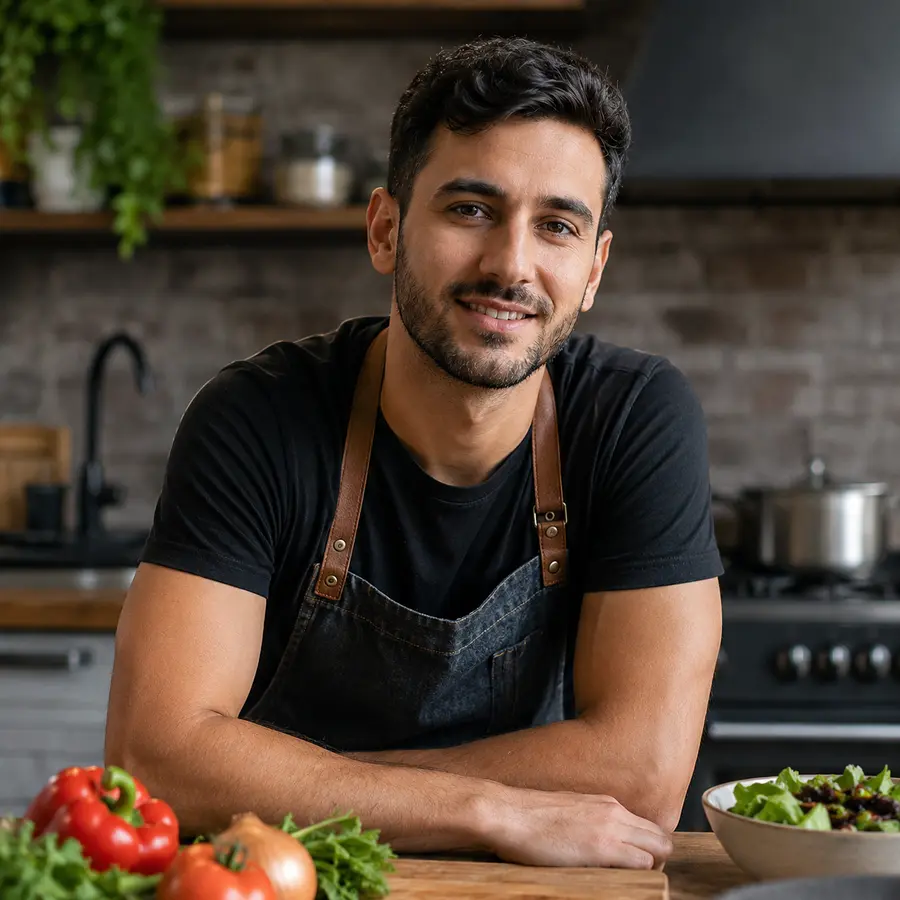
Youssef El Amrani is a home cook who learned to cook out of necessity — tight budget, small kitchen, no time. Every recipe and technique on LoveCooking.co is tested in his actual home kitchen with standard equipment. No culinary degree, just years of daily practice. Contact: contact@lovecooking.co