
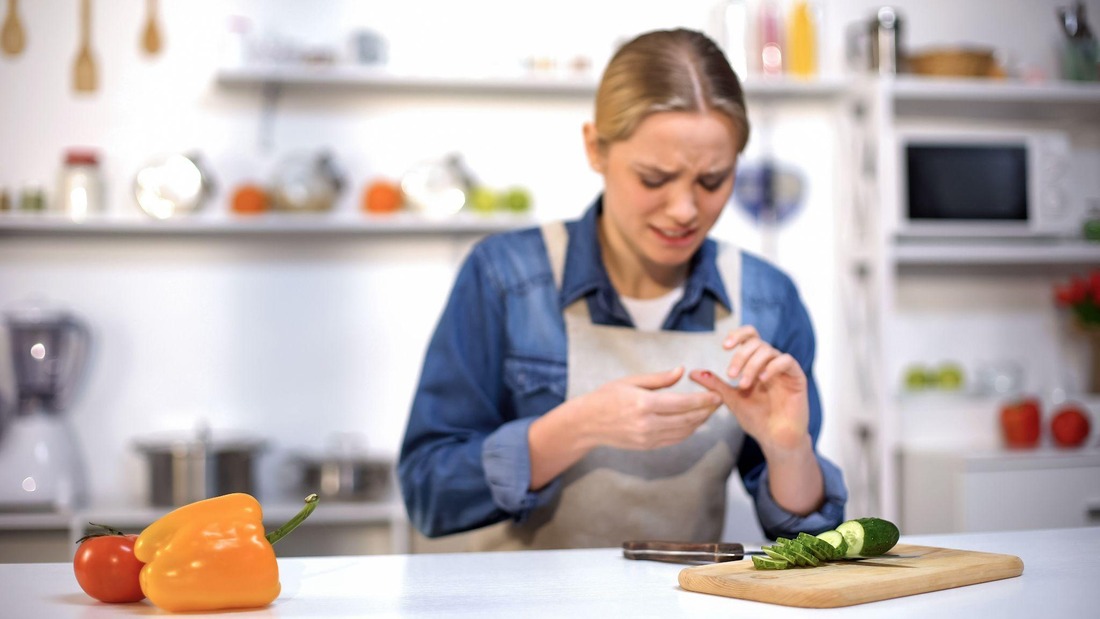
Real solutions for real kitchen disasters — because recipes don’t wait for you to have every ingredient.
It was a Tuesday evening, and I had promised my partner a homemade pasta sauce. The recipe called for crushed tomatoes, fresh basil, and a splash of red wine. I had the tomatoes. I had the basil. What I did not have was red wine — or a measuring cup, for that matter, because my roommate had borrowed it and forgotten to return it.
I stood in my kitchen, staring at the ingredients, wondering if I should scrap the whole plan and order takeout. Instead, I grabbed a shot glass from the cabinet, eyeballed the herbs, and substituted the wine with a splash of balsamic vinegar diluted with water. The sauce turned out better than the original recipe.
That night taught me something important: cooking isn’t about having the perfect setup. It’s about knowing enough to improvise when things go wrong. This guide is a collection of those improvisations — the substitutions, hand measurements, and emergency fixes that have saved my meals more times than I can count.
When You’re Missing an Ingredient
Most home cooks have experienced the disappointment of starting a recipe only to find that a key ingredient is missing. Before you run to the store, check this list. These substitutions work because they replicate the core function — fat, acid, sweetness, leavening, or binding — of the missing ingredient.
Eggs
Missing eggs?
1 egg = ¼ cup applesauce, ¼ cup mashed banana, or 1 tbsp ground flaxseed + 3 tbsp water (let sit 5 min).
Butter
No butter on hand?
1 cup butter = 1 cup coconut oil, ¾ cup olive oil, or 1 cup margarine. For baking, oil makes denser results.
Buttermilk
Recipe calls for buttermilk?
1 cup buttermilk = 1 cup milk + 1 tbsp lemon juice or vinegar. Let it sit for 5 minutes before using.
Honey / Syrup
Out of honey?
1 cup honey = 1¼ cups sugar + ¼ cup liquid, or 1 cup maple syrup, or 1 cup agave nectar.
Lemon Juice
No fresh lemons?
1 tbsp lemon juice = ½ tbsp white vinegar, or 1 tbsp bottled lemon juice, or 1 tbsp lime juice.
Tomato Paste
Need tomato paste?
2 tbsp tomato paste = 3 tbsp tomato sauce cooked down, or 2 tbsp ketchup (reduce sugar elsewhere).
Soy Sauce
Soy sauce bottle empty?
1 tbsp soy sauce = 1 tbsp Worcestershire sauce, or 1 tbsp tamari, or 1 tbsp coconut aminos.
Fresh Herbs
No fresh herbs?
1 tbsp fresh herbs = 1 tsp dried herbs. Add dried herbs earlier in cooking to release flavour.
The Baking Powder Disaster
You’re halfway through making pancakes and realise your baking powder is three years old. Test it first: drop 1 teaspoon into hot water. If it doesn’t fizz vigorously, it’s dead. Emergency fix: combine ¼ teaspoon baking soda + ½ teaspoon cream of tartar for every 1 teaspoon baking powder needed. This has saved my Sunday breakfasts more than once.
Measuring Without Measuring Tools
Professional chefs measure by feel. Home cooks measure by cups and spoons. But when those tools are dirty, missing, opurchased, your hands become your most reliable measuring device you own. These hand measurements are based on averages and work well for everyday cooking where precision matters less than proportion.
Hand Measurement Guide
≈
A closed fist
≈
A tennis ball
≈
Tip of thumb to first joint
≈
Tip of index finger
≈
A large egg
≈
A deck of cards
≈
Four dice stacked
≈
A handful (uncooked)
Common Conversions for Everyday Cooking
| If You Need | You Can Use | Notes |
|---|---|---|
| 1 cup all-purpose flour | 1 cup + 2 tbsp cake flour | For lighter baked goods |
| 1 cup granulated sugar | 1 cup brown sugar (packed) | Adds moisture and caramel notes |
| 1 cup whole milk | ½ cup evaporated milk + ½ cup water | Richer than skim milk |
| 1 cup heavy cream | ¾ cup milk + ¼ cup melted butter | Won’t whip, but works in sauces |
| 1 cup sour cream | 1 cup plain Greek yogurt | Same tang, more protein |
| 1 cup bread crumbs | ¾ cup cracker crumbs or oats | Cracker crumbs for binding, oats for texture |
| 1 oz unsweetened chocolate | 3 tbsp cocoa powder + 1 tbsp butter | Mix into a paste before adding |
| 1 cup corn syrup | 1 cup sugar + ¼ cup liquid | Heat gently to dissolve sugar |
When You’re Missing a Tool
Kitchen tools make cooking easier, but they are not mandatory. Humans cooked for thousands of years without immersion blenders, mandolines, or even measuring cups. Here are the emergency workarounds I use when my tools fail me.
No Knife Sharp Enough to Dice Vegetables?
Use a clean pair of kitchen shears. They work surprisingly well for herbs, scallions, and even chicken. For larger vegetables, a vegetable peeler can create thin strips that cook faster than dice.
No Whisk for Beating Eggs or Sauces?
Use a fork. For larger volumes, two forks held together work even better. In a true emergency, a clean, empty water bottle with the bottom cut off can act as a rough whisk when shaken vigorously.
No Non-Stick Pan for Eggs?
Use more fat than you think you need — about 1 tablespoon of butter or oil per egg. Heat the pan on medium-low, not high. And let the egg set before trying to move it. Patience compensates for lack of non-stick coating.
No Blender for Soups or Sauces?
A potato masher works for chunky soups. For smoother results, push cooked vegetables through a fine mesh sieve with the back of a spoon. It takes longer but produces a silkier texture than most home blenders.
No Meat Thermometer?
Press the meat with your finger. Rare feels like the flesh between your thumb and index finger when relaxed. Medium feels like when you touch your thumb to your middle finger. Well-done feels like a tight fist. This takes practice but works in a pinch.
The Golden Rules of Substitution
Substitutions are not magic. They are chemistry. Every ingredient in a recipe serves a specific function, and a good substitution replicates that function. Before you swap anything, ask yourself: what does this ingredient actually do here?
| Function | What It Does | Common Substitutes |
|---|---|---|
| Fat | Adds richness and moisture and helps browning | Butter, oil, coconut oil, applesauce (in baking) |
| Acid | Brightens flavor, tenderises, and activates leavening | Lemon juice, vinegar, buttermilk, yogurt |
| Sweetener | Adds sweetness, browning, moisture retention | Sugar, honey, maple syrup, mashed fruit |
| Leavening | Makes baked goods rise | Baking powder, baking soda + acid, whipped egg whites |
| Binding | Holds ingredients together | Eggs, flax eggs, mashed banana, breadcrumbs |
| Liquid | Hydrates, creates steam, thins consistency | Water, milk, broth, juice, coffee |
The One Substitution That Never Works
Do not substitute baking soda for baking powder, or vice versa, without adjusting the recipe. Baking soda needs acid to activate. Baking powder contains its own acid. Using the wrong one will give you flat, dense, or metallic-tasting results. If you’re out of both, make flatbread instead.
Building Your Emergency Kitchen Confidence
The best cooks I know are not the ones with the most expensive equipment or the rarest ingredients. They are the ones who can walk into any kitchen, assess what they have, and make something worth eating. That confidence comes from understanding the why behind recipes, not just the what.
Start small. Next time you’re missing an ingredient, pause before running to the store. Ask what that ingredient does in the recipe. Then look around your kitchen for something that serves the same purpose. You will fail sometimes. The first time I tried substituting yoghurt for buttermilk in biscuits, they were dense and rubbery. The second time, I added a splash of vinegar to the yoghurt. They were perfect.
Cooking is forgiving. Most recipes are not scientific formulas — they are guidelines written by people who had different kitchens, different ingredients, and different preferences than you. The ability to adapt is not a sign of amateur cooking. It is the mark of someone who truly understands food.
Sources
- USDA Food Safety and Inspection Service — Safe Food Handling Guidelines
- Food and Drug Administration (FDA) — Food Code Reference
- University of Nebraska-Lincoln Extension — Ingredient Substitution Guide
- King Arthur Baking — Baking Ingredient Substitutions
- America’s Test Kitchen — The Science of Good Cooking
- Harold McGee — On Food and Cooking: The Science and Lore of the Kitchen

Youssef El Amrani is a home cook who learned to cook out of necessity — tight budget, small kitchen, no time. Every recipe and technique on LoveCooking.co is tested in his actual home kitchen with standard equipment. No culinary degree, just years of daily practice. Contact: contact@lovecooking.co