
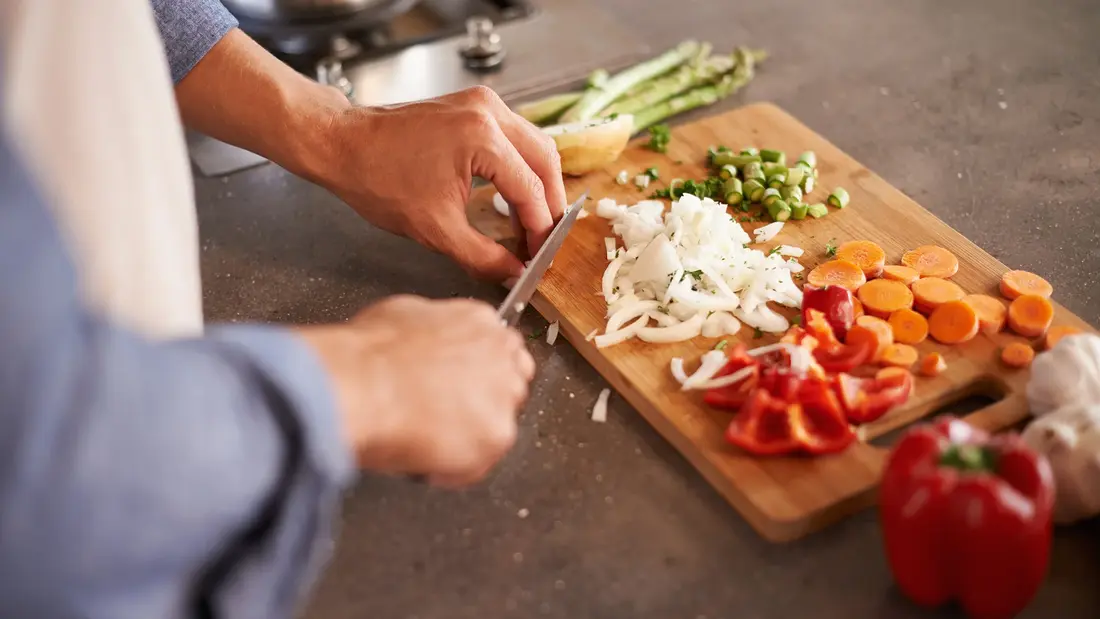
The two skills that separate home cooking from restaurant-quality meals explain why spending twenty minutes on prep will save you hours of frustration later.
There is a moment in every cook’s journey when they realise that flavour does not come from expensive ingredients or complicated recipes. It comes from the quiet work that happens before the pan ever touches the flame. The way you hold your knife. The sound of garlic hitting a hot surface is distinctive. The thin, even slices of ginger that melt into a sauce instead of sitting in chunky, bitter pieces.
I learnt this the hard way. For my first two years of cooking, I treated prep work as an obstacle to get through as quickly as possible. I chopped the onions with a dull knife, crushed the garlic cloves with the side of my hand, and added everything to the pan at once. My food was edible. It was not memorable. Then I spent an afternoon watching a line cook at a small family restaurant prepare a simple stir-fry. The knife moved in a rhythm I had never seen before. The garlic was sliced so thin it was almost translucent. The ginger was cut into matchsticks that released their heat gradually instead of all at once. That dish, made with the same ingredients I had at home, tasted like something from a different world entirely.
This article is about that transformation. We do not use fancy techniques or expensive equipment. Just the two foundational skills that will change everything about how your food tastes: how to use your knife properly and how to handle the aromatics that carry flavour into every bite.
Part One: The Knife Is an Extension of Your Hand
You do not need a $200 chef’s knife to cook well. You need a sharp knife that feels comfortable in your hand, and you need to know how to use it. A dull knife is not just inefficient — it is dangerous. It requires more force, slips more easily, and crushes ingredients instead of slicing them cleanly. A sharp knife, held properly, does the work for you.
The Grip That Changes Everything
Most home cooks grip the knife handle like they are holding a hammer. This gives you power but no control. The proper grip is called the pinch grip: you pinch the blade between your thumb and index finger, just above the handle, and wrap your remaining fingers around the handle for stability. Your hand should be relaxed, not clenched. The knife becomes an extension of your arm, not a tool you are fighting against.
The Pinch Grip Checklist
Thumb and index finger pinch the blade just above the handle. Three fingers wrap loosely around the handle. Wrist stays straight, not bent. The motion comes from your shoulder and elbow, not your wrist. Practice on a soft vegetable first — a zucchini or cucumber — until your grip feels natural.
The Claw: Protecting Your Fingers
The other hand is just as important as the one holding the knife. Tuck your fingertips under, using your knuckles as a guide for the blade. This is called the claw grip, and it is the reason professional chefs can chop vegetables at speed without looking down. The knife slides against the knuckles, never reaching the fingertips. It feels awkward at first. Within a week of daily practice, it becomes automatic.
The Rock Chop
Keep the knife tip on the board and rock the blade up and down through the ingredient. Best for herbs, garlic, and small vegetables.
The Slice
Pull the knife toward you in a smooth motion while pushing the ingredient forward with your guide hand. This product is best suited for onions, peppers, and other firm vegetables.
The Julienne
Cut the ingredient into thin planks, stack them, then cut into matchsticks. Best for carrots, celery, and ginger. The foundation of stir-fry prep.
Cutting Techniques That Matter
| Cut Type | Size & Shape | Best For | Why It Matters |
|---|---|---|---|
| Julienne | ⅛ inch × ⅛ inch × 2 inches | Carrots, bell peppers, ginger | Even cooking, elegant presentation |
| Brunoise | ⅛ inch cubes | Onions, celery, carrots | Uniform texture in soups and sauces |
| Dice | ¼ inch cubes | Potatoes, tomatoes, squash | Consistent cook time, clean bites |
| Mince | Very fine, almost paste | Garlic, ginger, shallots | Maximum flavor release, no chunks |
| Chiffonade | Thin ribbons | Basil, mint, leafy greens | Preserves delicate flavor, no bruising |
| Bias Cut | Diagonal slices | Green beans, carrots, scallions | More surface area, faster cooking |
Speed Comes From Practice, Not Force
When I first started practising the claw grip, I was slower than with my old method. I wanted to rush back to my familiar, dangerous chopping style. But after two weeks of deliberate practice, I was chopping onions in half the time with zero risk of cutting myself. Speed is a byproduct of precision. Force the speed, and you will cut yourself. Build the precision, and speed follows naturally.
Part Two: Aromatics Are the Soul of Flavor
If knife skills are the mechanics of cooking, aromatics are the poetry. An aromatic is any ingredient that releases flavour when heated — garlic, ginger, onions, shallots, leeks, celery, carrots, peppers, herbs, and spices. They form the flavour base of nearly every cuisine in the world. The French call it mirepoix. The Cajuns call it the holy trinity. The Chinese call it the foundation. Different names, same truth: without aromatics, food tastes flat.
Garlic: The Most Misused Ingredient in Home Kitchens
Garlic is not one ingredient. It varies greatly, depending on how you prepare it. A whole clove, slowly roasted, becomes sweet and spreadable. Thinly sliced and fried until golden, it becomes crispy and nutty. Minced raw and added at the end, it is sharp and pungent. Crushed into a paste with salt, it melts into a sauce. Each preparation gives you a completely different flavour profile.
Garlic Prep Methods
- Sliced: Mild, sweet, good for gentle sauces
- Minced: Strong, pungent, best for quick sautés
- Crushed/Paste: Intense, emulsifies into dressings
- Whole roasted: Sweet, spreadable, no sharpness
- Fried chips: Crispy, nutty, garnish for texture
Ginger Prep Methods
- Thin slices: Releases flavor gradually in broths
- Matchsticks: Distinct bites, stir-fries
- Minced: Intense heat, marinades and sauces
- Grated: Maximum juice extraction, dressings
- Smash & bruise: Aromatic oil release, teas
The Garlic Burn Problem
Here is the mistake I see in almost every beginner kitchen: garlic goes into a hot pan first, alone, and within thirty seconds it is brown and bitter. Burnt garlic is not just unpleasant — it ruins the entire dish. The fix is simple: garlic should rarely be the first thing in the pan. Onions, carrots, celery, and other hard vegetables go in first. They release moisture that protects the garlic from the direct heat. Add garlic only when those vegetables have softened slightly, and cook it for thirty seconds to one minute until fragrant. Then add your liquid or next ingredient immediately to stop the cooking.
The Temperature Rule for Garlic
Garlic burns at 350°F (175°C). Most home stoves, set to medium-high, will push a dry pan well past that. If you are cooking garlic in oil, keep the heat at medium or below. If you need high heat for a stir-fry, add the garlic at the very end, toss for fifteen seconds, and immediately remove the pan from the heat. The residual heat will finish the job without burning.
Ginger: The Ingredient Most People Get Wrong
Ginger is often treated as an afterthought — a few chunks thrown into a sauce or a teaspoon of powder added to a curry. Fresh ginger, used properly, is one of the most powerful flavour tools you have. The key is understanding that ginger has two distinct components: the juice and the fibre. The juice carries the heat and brightness. The fibre carries the aroma but can be tough and stringy.
For sauces, dressings, and marinades, grate fresh ginger on a microplane or the fine side of a box grater. The fibres stay on the grater; the juice and fine pulp fall through. For stir-fries, cut into thin matchsticks so they cook quickly and evenly. For broths and soups, thick slices work well because they can be easily fished out before serving. Never use powdered ginger as a substitute for fresh in a recipe that calls for fresh — they are completely different ingredients.
1. Peel Only What You Need
Use the edge of a spoon to scrape the thin skin off ginger. A knife removes too much flesh. The spoon follows the contours and wastes almost nothing.
2. Slice Across the Grain
Ginger fibres run lengthwise. Cutting across them gives you tender pieces. Cutting with the grain leaves you with stringy, tough bites.
3. Matchstick for Stir-Fries
Cut thin slices, stack them, then cut into matchsticks. This exposes maximum surface area for quick cooking while maintaining a pleasant texture.
4. Grate for Maximum Flavor
A microplane turns ginger into a juicy paste that dissolves into sauces. No chunks, no stringiness, just pure ginger heat distributed evenly.
Building Flavor: The Aromatic Combinations That Define Cuisines
Every great cuisine has a signature aromatic base. Learn these combinations, and you can cook in any style without a recipe. They are not rigid rules — they are starting points. Once you understand the balance of allium (onion/garlic), acid (ginger/tomato), and fat (oil/butter), you can improvise with confidence.
| Cuisine | Aromatic Base | Key Ratios | Best Cooking Fat |
|---|---|---|---|
| French | Onion, carrot, celery (mirepoix) | 2:1:1 ratio | Butter or duck fat |
| Italian | Garlic, onion, tomato, basil | Soften onion first, add garlic last | Olive oil |
| Chinese | Ginger, garlic, scallion | Equal parts, high heat, quick cook | Peanut or vegetable oil |
| Indian | Onion, ginger, garlic, chili | Onion until golden, then ginger-garlic paste | Ghee or vegetable oil |
| Cajun | Onion, celery, bell pepper (holy trinity) | 1:1:1 ratio, cook until soft | Butter or bacon fat |
| Thai | Galangal, lemongrass, shallot, chili | Bruise aromatics, simmer in coconut milk | Coconut oil |
| Spanish | Garlic, onion, tomato, smoked paprika | Sofrito base, slow cook until deep red | Olive oil |
The Universal Pattern
Every aromatic base follows the same logic: an allium (onion, shallot, garlic) for sweetness and depth, an aromatic root (ginger, carrot, celery) for complexity, and a fat to carry the flavour. Once you see this pattern, you can create your own combinations. Leeks, fennel, and olive oil. Shallots, ginger, and sesame oil. The possibilities are endless.
The Timing Secret Nobody Talks About
There is a moment in every dish when the aromatics have released their full flavour but have not yet started to burn. That moment lasts about sixty seconds. Miss it, and the garlic turns bitter. Catch it, and everything that follows is infused with depth you cannot get any other way.
The signal is smell. When the aroma changes from raw and sharp to warm and fragrant, you are in the window. Add your next ingredient immediately — liquid, protein, vegetables, or whatever the recipe calls for. That liquid or cool ingredient stops the cooking process and captures the aromatics at their peak. This is why professional kitchens are so insistent on mise en place: everything must be ready before the first ingredient hits the pan, because once the aromatics start cooking, you cannot pause to chop something else.
“Cooking is not about having the best ingredients. It is about treating ordinary ingredients with respect. A perfectly minced shallot, slowly softened in butter, will do more for a dish than a truffle shaved over the top.”
— Adapted from classical cooking philosophy
The Practice Routine That Builds Real Skill
Reading about knife skills and aromatics is useful. Practising them is transformative. Here is the routine I recommend to anyone who wants to improve quickly. It takes twenty minutes, three times a week, and within a month you will notice a dramatic difference in your cooking.
📋 The 20-Minute Practice Session
Weeks 1-2: Practise the pinch grip and claw on one onion and two cloves of garlic. Focus on consistency, not speed. Every piece should be the same size.
Week 3-4: Add ginger matchsticks and carrot julienne. Time yourself, but do not sacrifice safety for speed.
Week 5-6: Cook a simple aromatic base — onion, garlic, ginger — in a hot pan. Focus on the smell. Learn to recognise the exact moment when the aromatics are ready.
Ongoing: Prep all your vegetables before turning on the stove. Always. No exceptions. This one habit will improve your cooking more than any recipe ever could.
Why This All Matters
I used to think that great cooking required talent. Some people were just born with a better palate, a more intuitive sense of seasoning, and a natural gift. I no longer believe that. What separates good cooks from great ones is not talent — it is patience. The patience to hold a knife correctly instead of rushing. The patience to soften onions slowly instead of cranking the heat. The patience to mince garlic instead of smashing it with the side of a pan.
These are not glamorous skills. They will not get you likes on social media. But they are the foundation of every memorable meal you will ever cook. The knife and the aromatics are where cooking begins. Everything else — the sauce, the protein, the garnish — is just decoration.
Start with one onion, one clove of garlic, and a sharp knife. Cut slowly. Breathe. Pay attention to the smell. That is where great cooking lives.
Sources
- Institute of Culinary Education — Knife Skills Fundamentals
- The Culinary Institute of America — Professional Chef Curriculum
- Harold McGee — On Food and Cooking: The Science and Lore of the Kitchen
- Samin Nosrat — Salt, Fat, Acid, Heat: Mastering the Elements of Good Cooking
- America’s Test Kitchen — The Science of Good Cooking
- USDA Food Safety and Inspection Service — Safe Food Handling Guidelines
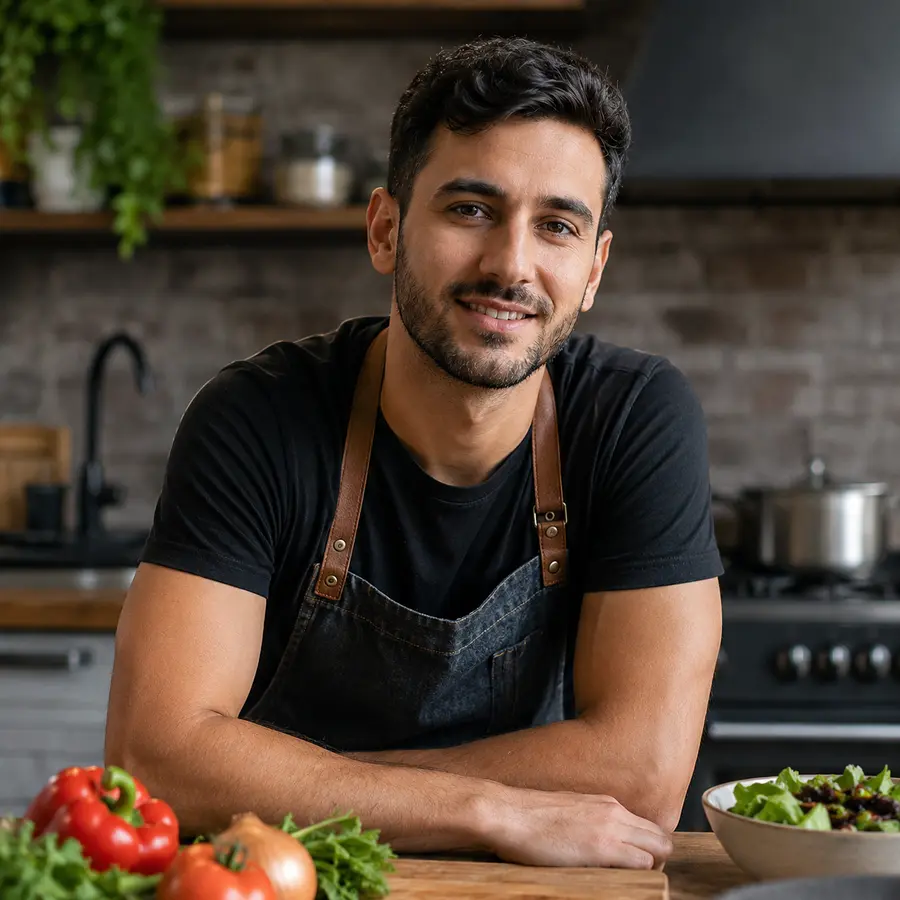
Youssef El Amrani is a home cook who learned to cook out of necessity — tight budget, small kitchen, no time. Every recipe and technique on LoveCooking.co is tested in his actual home kitchen with standard equipment. No culinary degree, just years of daily practice. Contact: contact@lovecooking.co