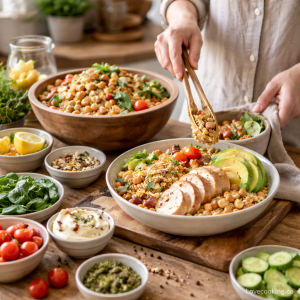
For many families, weekday evening meals often follow a predictable pattern. After a busy day—whether involving work, commuting, grocery shopping, or caring for the children—dinner becomes a task that must be completed quickly, rather than a carefully prepared meal. This urgency often leads people to opt for fried, stir-fried, takeout, or highly processed packaged foods. These choices seem convenient because they promise speed, comfort, and familiarity. However, they often contain a lot of oil, refined ingredients, and high-calorie cooking methods, which does not always align with long-term health goals. The good news is that cooking healthier does not require complicated diet plans or expensive ingredients. Often, the biggest change comes from changing your cooking method, not the type of food you cook. Steaming and baking are precisely the moments when this proves to be a powerful tool in a family’s daily kitchen.
How Cooking Methods Influence Nutritional Value
Most people focus on the ingredients when thinking about healthy eating, but cooking methods are just as important. The same chicken breast or a bowl of vegetables can have vastly different calorie and nutritional values depending on the cooking method. Frying adds a lot of oil, causing the natural flavor of the food to be lost, whereas steaming and baking allow the natural flavors of the ingredients to shine through without excessive oil. Food exposed to large amounts of oil absorbs heat quickly, making it greasy and difficult to digest. Steaming, on the other hand, uses water vapor to gently cook food, while baking uses dry heat for even cooking, requiring minimal oil. Both methods help preserve the texture, flavor, and original properties of the ingredients, resulting in lighter meals that are still filling.
The Convenience of Steaming: Ideal for Busy Evenings
Steaming is often underestimated because it is frequently associated with bland or tasteless food. In reality, steaming is one of the most flexible and time-saving cooking methods. With just a steamer or a simple pot, vegetables, fish, dumplings, and even chicken can be cooked in minutes. Its convenience makes it a perfect choice for weeknights. You don’t have to constantly monitor the stove, allowing you to prepare side dishes while the main course cooks. This gentle cooking method also preserves the natural color and texture of vegetables, making dishes look appealing without the effort of extra preparation. For busy families, steaming can be an essential option for quick, nutritious, and relaxed dinners.
Why Baking Makes Weekday Dinners Easier and More Convenient
Baking offers a convenience that complements steaming and boiling perfectly. You don’t have to cook in large quantities or keep an eye on multiple pans; with baking, you simply place all the ingredients on a baking sheet and let the oven do its work. The popularity of meals prepared on a baking sheet is no coincidence. It ensures that proteins, vegetables, and herbs cook together in the same space, resulting in less washing up and saving time. Baking also enhances the flavor of the food through gentle caramelization, creating a delicious texture without thick sauces or fat. For those exhausted after a long workday, being able to prepare dinner on a baking sheet and leave the kitchen is a small but significant victory.
How Steaming and Baking Support Sustainable Eating Habits
Healthy eating is often seen as a short-term goal, but its true value lies in developing habits that are sustainable in the long run. Steaming, boiling, and baking help create this stability because they are simple, predictable, and flexible. You do not need professional skills or complicated equipment to get started. These methods also allow you to cook at home more often, making you less dependent on takeout and processed foods. Over time, these small daily changes accumulate and eventually form a natural yet non-restrictive habit. The key to a sustainable diet lies in removing obstacles, and these cooking techniques achieve exactly that.
Making Flavor the Star Without Heavy Ingredients
When switching to steaming and baking, people often worry about losing flavor. Many believe that flavor comes from deep-frying or rich sauces, but in reality, flavor comes from herbs, spices, and cooking techniques that enhance the natural flavors of ingredients. Baking brings out the sweetness of vegetables and the richness of proteins, while steaming preserves the delicate flavors of ingredients. Simple seasonings like garlic, lemon, pepper, spices, and marinades can transform ordinary ingredients into unforgettable dishes. As you use herbs instead of oil to add flavor, your taste buds will gradually adapt, and you will find that your meals are refreshing and delicious.
Less Stress in the Kitchen and Less Cleaning Time
Another often overlooked benefit of steaming and baking is the simplification of the cooking process. After a busy day, most people dread a sink full of dishes or a greasy stove that requires a lot of cleaning. Baking usually requires only a baking sheet or an oven dish, whereas steaming typically only requires a pot and a steamer basket. This reduction in cleaning time removes a major obstacle to home cooking. When cooking is no longer a tiring chore but something easy and manageable, it is simpler to maintain a regular routine. Over time, this change can transform weekday evening meals from a dreaded chore into a calm and predictable evening.
Practical Tips for An Easy Transition
Changing cooking habits does not have to be a one-off action. The most effective way is to start small and gradually replace one or two fried or stir-fried dishes per week with baked or steamed dishes. For example, roasted vegetables can replace fried side dishes, and roast chicken can replace baked chicken. Steamed vegetables can be served with rice, pasta, or a bowl of cereal for a quick and easy meal that requires minimal preparation. The goal is not perfection, but continuous improvement. As confidence grows, these cooking methods will gradually become second nature, and the kitchen will transform from a stressful space into a creative environment.
Creating a Balanced Weekday Meal
Steaming and baking are best suited for creating simple, balanced dishes. A baked protein source, some steamed vegetables, and some grains or starch can form the basis for countless evening meals. The power of this approach lies in its flexibility. You can adapt your meals to seasonal ingredients, personal preferences, or what you have on hand. This flexibility helps reduce food waste and makes grocery shopping easier. Over time, you will notice that even if the ingredients change, the cooking methods remain the same, making meal planning much simpler.
Building Self-Confidence in the Kitchen in the Long Term
As people become more familiar with steaming, boiling, and baking, they often gain more self-confidence in the kitchen. These methods encourage experimentation because they are forgiving and easy to learn. You can try out new vegetables, different spice combinations, or new ingredient pairings without having to worry about complex cooking techniques. This self-confidence can inspire you to cook at home more often, leading to better budget management, more conscious eating, and a deeper connection with food. The kitchen is no longer an obligation but a place full of endless possibilities, and weekday dinners are no longer intimidating but within reach.
Conclusion
Switching from weekday dinners to steaming, boiling, and baking does not mean you have to adhere to strict rules or drastically change your lifestyle. The key is choosing cooking methods that make healthy eating easier, more sustainable, and more fun. By using less heavy oils and simplifying cooking processes, these techniques can help busy people and families prepare light yet delicious meals. Over time, small changes in cooking methods can significantly improve daily habits, boost confidence in the kitchen, and enhance overall meal quality. When preparing and cleaning up dinner becomes easier, it naturally becomes easier to maintain regular and nutritiously balanced eating habits.
FAQs
1. Are steaming and baking more time-consuming than deep-frying?
Not at all. In many cases, these methods are actually more time-saving, as they require less supervision and allow you to prepare multiple ingredients at the same time.
2. Do I need special equipment to steam or bake?
No. A simple pan with a lid and a steamer basket or rack will suffice.
3. Will my food become bland if I stop deep-frying?
The flavor comes from the seasonings and cooking techniques, not just the oil. Herbs, spices, citrus fruits, and marinades all contribute to the delicious taste of steamed and baked dishes.
4. Are these methods suitable for family meals?
Absolutely. Steaming and baking are ideal for preparing large portions and can easily be adapted to different tastes and preferences.
5. How can I develop healthier cooking habits?
Start small, focus on simple recipes, and gradually replace less healthy cooking methods with steaming and baking.