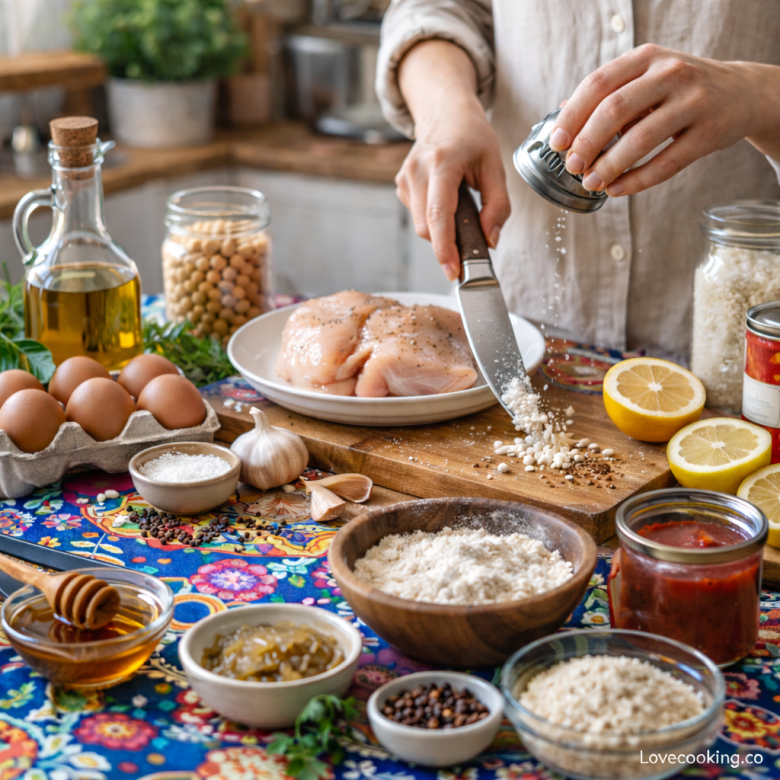
Cooking at home becomes much easier when you truly understand the ingredients sitting in your kitchen. Most people use the same basic items every day—rice, flour, oil, onions, garlic, spices—but often without fully knowing how to use them in the best way. That’s where cooking problems usually start: food tastes flat, textures feel off, or recipes don’t turn out the way expected.
The good news is that you don’t need to be a professional chef to fix this. Once you understand the purpose and proper use of common kitchen ingredients, your cooking naturally becomes more flavorful, balanced, and enjoyable.
In this guide, we’ll walk through everyday kitchen essentials and explain how to use them properly in simple, practical ways. No complicated techniques—just real-world cooking advice you can start using immediately.
Understanding the Role of Basic Kitchen Ingredients in Everyday Cooking
Every dish you cook is built on a foundation of ingredients that serve different purposes. Some add flavor, some add texture, and others help everything come together.
Think of your kitchen ingredients in three simple categories:
- Base ingredients: Rice, flour, lentils, pasta
- Flavor builders: Onions, garlic, spices, herbs
- Enhancers: Oil, salt, sugar, yogurt, sauces
When you understand how each category works, cooking stops feeling random and starts becoming more predictable and enjoyable.
Let’s break them down one by one.
Rice: The Everyday Staple and How to Cook It Right
Rice is one of the most widely used ingredients in home cooking. But many people struggle with getting the texture right—sometimes it becomes sticky, sometimes too dry.
Choosing the Right Type of Rice
Different dishes need different types of rice:
- Long grain rice: Fluffy and separate grains, ideal for biryani or pilaf
- Short-grain rice: Slightly sticky, good for comfort meals
- Basmati rice: Aromatic, perfect for special dishes
Proper Cooking Method
To cook rice properly:
- Rinse rice 2–3 times to remove excess starch
- Soak it for 20–30 minutes if possible
- Use the correct water ratio (usually 1:2 for most rice types)
- Let it rest after cooking before fluffing it
Common Mistakes to Avoid
- Over-stirring while cooking
- Using too much water
- Skipping the resting time
A properly cooked rice dish can completely change the quality of your meal.
Flour: The Foundation of Bread, Roti, and Baking
Flour is another essential kitchen ingredient, especially in daily meals like roti, paratha, bread, and baked items.
Types of Flour and Their Uses
- Whole wheat flour: Used for roti, chapati, and healthier baking
- All-purpose flour: Used for cakes, pastries, and soft bread
- Gram flour (besan): Used for snacks, fritters, and batter
How to Use Flour Properly
- Always sift flour before baking to make it lighter
- Add water slowly while kneading dough
- Let dough rest so gluten develops properly
Pro Tip for Better Dough
If your roti or bread feels hard, the issue is usually in kneading. A soft, well-rested dough leads to softer and better-textured results.
Cooking Oil: The Silent Flavor Builder
Oil is often overlooked, but it plays a huge role in cooking flavor, texture, and even aroma.
Choosing the Right Oil
Different oils suit different cooking styles:
- Vegetable oil: General cooking
- Mustard oil: Strong flavor, traditional dishes
- Olive oil: Light cooking and salads
- Sunflower oil: Neutral taste for frying
How to Use Oil Properly
- Don’t overheat oil until it smokes
- Use just enough to coat the pan or ingredients
- Add spices to slightly heated oil for better flavor release
Common Mistake
Using too much oil can make dishes greasy and heavy, while too little can cause sticking and uneven cooking.
Onions: The Flavor Base of Almost Every Dish
Onions are the backbone of many savory dishes. They create depth, sweetness, and aroma when cooked properly.
How to Use Onions Effectively
- Finely chopped onions cook faster and blend into sauces
- Sliced onions add texture to stir-fries
- Caramelized onions bring sweetness to dishes
Cooking Stages of Onions
- Raw – sharp and strong taste
- Lightly sautéed – mild and soft
- Golden brown – sweet and flavorful base
Common Mistakes
- Burning onions instead of cooking them slowly
- Not cooking them enough before adding spices
Properly cooked onions can make even simple dishes taste rich and complex.
Garlic: Small Ingredient, Big Impact
Garlic adds a strong aroma and depth of flavor to almost any savory dish.
How to Use Garlic Properly
- Crush or chop garlic for stronger flavor
- Slice it for mild aroma
- Add it early in cooking for deeper taste or late for sharp flavor
Garlic Cooking Tip
Always avoid burning garlic—it turns bitter very quickly and can ruin the dish.
Spices: The Heart of Flavorful Cooking
Spices are what transform basic ingredients into delicious meals. But using them correctly is key.
Common Spices in Everyday Cooking
- Turmeric
- Cumin
- Coriander powder
- Chili powder
- Black pepper
How to Use Spices Properly
- Add spices to hot oil for better flavor release
- Use small amounts and adjust gradually
- Combine spices for balanced taste instead of relying on one
Mistakes to Avoid
- Adding too many spices at once
- Cooking spices on high heat for too long
- Using stale spices with no aroma
Fresh spices always make a noticeable difference in taste.
Tomatoes: Natural Sourness and Freshness in Cooking
Tomatoes bring acidity, color, and freshness to dishes like curries, sauces, and soups.
How to Use Tomatoes Properly
- Chop finely for quick cooking
- Blend for smooth gravies
- Cook until soft to remove raw taste
Choosing the Right Tomatoes
- Ripe tomatoes are best for sauces
- Firm tomatoes work well in salads
- Avoid overly soft or watery ones
Tomatoes also help balance spices and oil in many recipes.
Eggs: Simple Ingredient with Multiple Uses
Eggs are one of the most versatile ingredients in the kitchen.
Ways to Use Eggs
- Boiled eggs for quick meals
- Scrambled eggs for breakfast
- Omelets with vegetables
- Baking ingredient for cakes and pastries
Cooking Tips
- Don’t overcook eggs—they become rubbery
- Add salt or seasoning after cooking for better texture
Eggs are quick, affordable, and highly adaptable in daily cooking.
Lentils (Dal): A Daily Protein Staple
Lentils are a major part of many households and offer comfort and nutrition in simple meals.
Types of Lentils
- Red lentils – cook quickly
- Yellow lentils – smooth texture
- Green lentils – slightly firm and earthy
How to Cook Properly
- Wash thoroughly before cooking
- Use enough water to avoid sticking
- Simmer slowly for better texture
Flavor Enhancement Tips
- Add garlic and cumin in oil before mixing into dal
- Finish with fresh coriander for aroma
Milk and Dairy Products: Everyday Essentials
Milk, yogurt, and cheese are widely used in both cooking and drinks.
How to Use Milk Properly
- Use fresh milk for tea, coffee, and desserts
- Heat slowly to avoid burning at the bottom
Yogurt Usage Tips
- Use yogurt for marinades to soften food
- Add it to curries for creamy texture
- Avoid overheating yogurt to prevent curdling
Dairy products improve both texture and richness in cooking.
Sugar and Salt: The Balance Makers
Sugar and salt are not just ingredients—they are balance tools in cooking.
How to Use Salt Properly
- Add in small amounts and adjust gradually
- Season at different stages of cooking for balanced taste
How to Use Sugar in Cooking
- Adds balance to sour or spicy dishes
- Enhances caramelization in cooking
- Used in baking for structure and taste
Common Mistake
Overusing either sugar or salt can completely overpower a dish, so moderation is key.
Smart Tips for Using Kitchen Ingredients Efficiently
To get the best results from your ingredients, follow these simple habits:
- Store ingredients properly to maintain freshness
- Always taste while cooking
- Prepare ingredients before starting cooking (mise en place)
- Use fresh spices whenever possible
- Avoid overcrowding the pan while cooking
These habits improve consistency and reduce cooking stress.
Conclusion
Understanding common kitchen ingredients and how to use them properly is one of the most important steps toward better home cooking. When you know how rice behaves, how onions build flavor, how spices transform dishes, and how dairy or oil affects texture, cooking becomes far more predictable and enjoyable.
You don’t need fancy tools or advanced skills—just awareness of how each ingredient works. With a little practice, you’ll notice your meals becoming more flavorful, balanced, and satisfying.
Cooking is not about complexity; it’s about understanding basics and using them wisely.
FAQs
1. What are the most important kitchen ingredients for beginners?
Rice, flour, oil, onions, garlic, salt, and basic spices are the most essential starting ingredients.
2. How do I improve the taste of simple home-cooked food?
Focus on properly cooking onions, balancing spices, and not overcooking ingredients.
3. Why do my dishes sometimes taste bland?
This usually happens due to under-seasoning, improper spice usage, or skipping flavor-building steps like sautéing onions and garlic.
4. How should I store kitchen ingredients properly?
Keep dry items in airtight containers, refrigerate dairy products, and store spices in cool, dry places.
5. Can I cook good meals with only basic ingredients?
Yes, simple ingredients like rice, lentils, vegetables, and spices can create delicious and nutritious meals when used correctly.