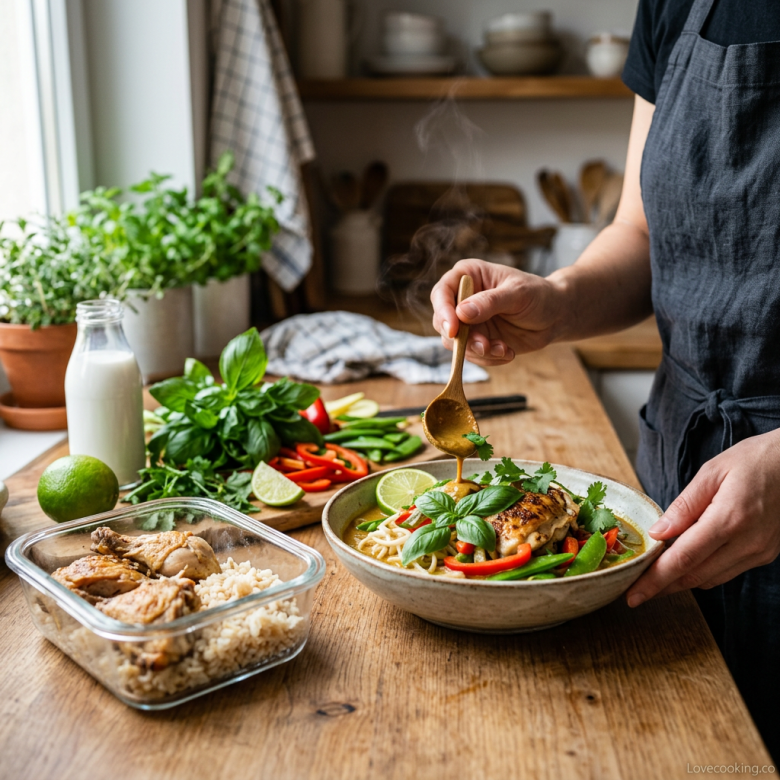
Leftovers are something almost every household deals with. After cooking a meal, there is often extra food stored in the fridge—rice, vegetables, meat, or sauces that didn’t get finished. Many people either forget about them or feel unsure about how to reuse them safely and creatively.
But in real life, leftovers are not a problem—they are an opportunity. With a little creativity and simple cooking methods, leftover food can be transformed into fresh, tasty, and completely new meals. This approach not only saves time but also makes daily cooking more flexible and less stressful.
In this article, we’ll explore how leftover transformation works, why it matters, how people use it in everyday life, and practical ways to turn yesterday’s food into something enjoyable again.
What It Means to Turn Leftovers Into Fresh Meals
Turning leftovers into fresh meals simply means taking already cooked food and reusing it in new recipes instead of eating it the same way again. It’s not about repeating the same dish—it’s about reimagining it.
For example:
- Leftover rice can become fried rice or rice bowls
- Cooked chicken can be turned into sandwiches or wraps
- Vegetables can be used in soups, omelets, or stir-fries
- Pasta can be reheated with new sauces or baked into casseroles
In simple terms, it is about giving food a second life with small changes in preparation, seasoning, or presentation.
This approach is widely used in home kitchens around the world because it is practical, flexible, and reduces unnecessary waste.
How Leftover Transformation Works in Real Life
In everyday cooking, leftover transformation is less about strict recipes and more about quick decision-making. People usually look at what they already have and think, “How can I make this taste different today?”
The process often follows a simple flow:
- Identify leftover food in the fridge
- Decide a base dish (rice, bread, pasta, or soup)
- Add new ingredients or seasoning
- Apply a different cooking method (frying, baking, mixing)
- Serve it in a new style
Real-Life Example
Imagine you cooked chicken curry yesterday. Today, instead of reheating it as it is, you can
- Shred the chicken and make a sandwich
- Mix it with rice for a quick bowl meal
- Add it into a wrap with fresh vegetables
This small change makes the meal feel completely new, even though the base ingredient is the same.
In practical terms, it’s about using creativity to avoid food repetition while saving time and effort.
Why Leftover Cooking Matters in Everyday Life
Leftover transformation is important because it solves a very common household issue: food waste and limited time for cooking fresh meals every day.
1. Reduces Food Waste
Many households throw away edible food simply because it was not eaten immediately. Reusing leftovers helps minimize this issue.
2. Saves Cooking Time
Since the food is already prepared, meal prep becomes much faster. Only reheating or light cooking is needed.
3. Makes Meal Planning Easier
Leftovers provide a ready base for the next meal, reducing the pressure of planning everything from scratch.
4. Helps in Busy Lifestyles
Working professionals, students, and families benefit from having quick meal options available without extra cooking effort.
In simple terms, leftover cooking turns a potential inconvenience into a practical solution.
Creative Ways to Transform Leftovers Into New Meals
One of the best parts of leftover cooking is that there are many simple ways to give food a fresh identity.
1. Turn Rice Into Fried Rice or Rice Bowls
Leftover rice can be stir-fried with vegetables, eggs, or sauces. This changes the texture and flavor completely.
2. Transform Meat Into Wraps or Sandwiches
Cooked chicken, beef, or lamb can be shredded and used in sandwiches, burgers, or wraps with fresh toppings.
3. Use Vegetables in Soups or Omelets
Leftover vegetables can easily be added into soups or mixed into egg dishes for a quick meal.
4. Rework Pasta Into Baked Dishes
Pasta leftovers can be baked with cheese or sauces to create a new texture and flavor.
5. Combine Leftovers Into Stir-Fries
Mixing different leftover ingredients in a pan with seasoning can create a completely new dish.
In real life, these ideas are not strict rules—they are flexible combinations based on what is available.
Practical Impact on Daily Life
Leftover cooking has a noticeable impact on how people manage their kitchens and daily routines.
1. Makes Cooking Less Repetitive
Instead of eating the same dish repeatedly, leftovers can be reshaped into new meals, keeping food interesting.
2. Reduces Daily Cooking Pressure
Not every meal needs to be cooked from scratch, which reduces stress during busy days.
3. Encourages Better Kitchen Organization
People become more aware of what they store and how long it lasts.
4. Supports Flexible Eating Habits
Leftovers allow meals to be adjusted based on time, hunger level, and available ingredients.
In practical terms, it creates a more relaxed and efficient way of managing food at home.
Challenges of Using Leftovers Creatively
While leftover transformation is helpful, it does come with some limitations that should be considered.
1. Limited Shelf Life
Leftover food must be stored properly and used within a safe time frame.
2. Flavor Repetition Risk
If not modified properly, leftovers may still taste similar to the original dish.
3. Storage Space Issues
Not all kitchens have enough space to store multiple leftover items at once.
4. Requires Basic Creativity
Some people may find it challenging to think of new ways to reuse food.
In practical terms, these challenges are manageable with simple habits like labeling food and planning reuse within a short timeframe.
Real-World Examples of Leftover Transformation
To better understand how this works, here are some everyday examples:
Example 1: Family Dinner Leftovers
A family cooks rice and chicken curry for dinner. The next day:
- Rice becomes fried rice
- Chicken becomes sandwiches for lunch
- Extra vegetables go into soup
Example 2: Student Kitchen Scenario
A student living alone has leftover pasta. Instead of reheating it:
- They add eggs and bake it
- Or mix it with sauce for a quick stir-dish
Example 3: Office Lunch Prep
A working professional uses leftover grilled chicken:
- One day in a wrap
- Another day in a salad bowl
These real-life examples show how flexible leftover cooking can be in different situations.
How People Adapt Leftover Cooking in Daily Life
Different households use leftover transformation in different ways depending on their routine.
- Families often plan meals with intentional leftovers for the next day
- Students rely on quick remix meals due to limited time
- Busy professionals repurpose dinner into lunch meals
- Small households combine leftovers into single-pot dishes
In practical terms, leftover cooking becomes part of natural daily planning rather than an afterthought.
Future Trends in Leftover Cooking
Leftover reuse is becoming more relevant as people look for simple, efficient, and less wasteful cooking habits.
Some evolving trends include:
- Meal planning apps that suggest recipes based on leftovers
- Smart refrigerators that track food storage
- Recipe platforms focused on “use what you have” cooking
- Increased awareness of reducing household food waste
This shows a growing shift toward practical and resource-efficient cooking habits.
Practical Tips for Better Leftover Transformation
A few simple habits can make leftover cooking easier and more effective:
- Store leftovers in labeled containers
- Keep basic sauces and spices ready for quick flavor changes
- Plan to reuse leftovers within 1–2 days
- Mix textures (crispy, soft, fresh) for better meals
- Avoid reheating the same dish repeatedly without changes
These small steps help improve both taste and food safety awareness.
Conclusion
Turning leftovers into fresh and enjoyable meals is a practical and everyday cooking habit that helps make better use of food, time, and effort. Instead of seeing leftovers as repetitive or boring, they can be treated as building blocks for new meals with simple changes in preparation and seasoning.
In real-life terms, this approach helps households reduce waste, simplify cooking routines, and make daily meals more flexible without requiring advanced cooking skills. While it has some limitations, it remains one of the most practical ways to manage food in modern kitchens. Ultimately, leftover transformation is about creativity, simplicity, and making everyday cooking more efficient and enjoyable.