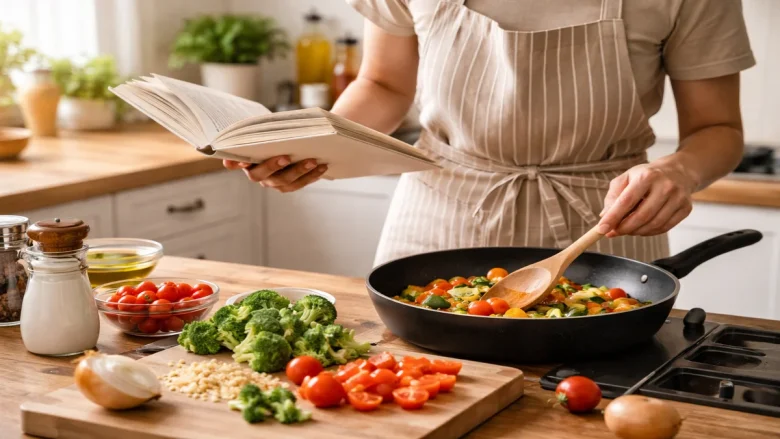
I still remember how overwhelming cooking felt when I first started.
A simple meal could quickly turn stressful—vegetables half-cut, something cooking too fast, and a recipe that suddenly didn’t make sense anymore. It often felt like I was just trying to keep up.
At the time, I assumed that excellent cooking required some kind of natural talent. I believed that certain individuals inherently knew how to season appropriately or when to cook items at the optimal moment.
But over time, I realized something much more encouraging.
Most of the difference doesn’t come from talent—it comes from small habits that make cooking easier and more predictable.
These aren’t complicated techniques. They’re simple adjustments that, once you understand them, can entirely change how you feel in the kitchen.
Why Simple Habits Matter More Than Complex Recipes
When you’re new to cooking, it’s easy to focus on recipes.
But recipes don’t always explain why things work. That’s why even when you follow them carefully, the results can still feel inconsistent.
Small habits help you:
- Stay in control while cooking
- avoid common mistakes
- understand what’s happening in the pan
- build confidence over time
Instead of trying to learn everything at once, focusing on a few fundamentals makes the biggest difference.
1. Let the Pan Heat Properly
One of the most common beginner mistakes is starting too quickly.
I used to place a pan on the stove, add oil immediately, and start cooking without giving it time to heat.
What Works Better
Let the pan heat for a short time before adding oil.
Once the oil is added, allow it a moment before placing food in the pan.
Why It Helps
A properly heated pan:
- cooks food more evenly
- reduces sticking
- helps create better texture
It’s a small step, but it sets the tone for everything that follows.
2. Avoid Overcrowding the Pan
Trying to cook everything at once might seem efficient, but it often leads to uneven results.
I used to fill the pan, especially when cooking vegetables or meat.
What I Changed
Now I leave some space between pieces of food.
If needed, I cook in smaller batches.
The Difference
When food has space:
- Moisture can escape
- ingredients cook more evenly
- You get a better texture instead of sogginess
Even though it takes slightly longer, the result is noticeably better.
3. Use Salt Gradually
Salt can feel intimidating at first.
I used to follow exact measurements but still ended up with food that tasted flat.
A Better Approach
Instead of adding all the salt at once, add it gradually during cooking.
For example:
- a small pinch when cooking onions
- a little more as other ingredients are added
Why This Works
Seasoning in stages helps build flavor step by step, rather than trying to fix everything at the end.
4. Don’t Forget About Acidity
Sometimes a dish tastes complete but still feels like it’s missing something.
Often, it needs a small amount of acidity.
Simple Options
You can use:
- lemon or lime juice
- vinegar
- yogurt or tomatoes (depending on the dish)
When to Use It
If a dish feels too heavy or dull, a small amount of acid can help balance it.
It often brings out flavors that were already there but not noticeable.
5. Keep a Few Simple Habits in Mind
There are small adjustments that make everyday cooking easier.
A Few That Helped Me
- letting cooked meat rest before cutting
- Adding salt to the pasta water
- using freshly ground spices when possible
- preparing ingredients before starting
Why They Matter
Individually, these changes seem small. Together, they make cooking more consistent and enjoyable.
6. A Safer Way to Peel Ginger
This is one of those small tricks that makes prep work easier.
I used to use a knife or peeler, which often removed more than necessary.
A Simple Alternative
Using the edge of a spoon works surprisingly well.
The Benefit
- less waste,
- easier to control
- safer for beginners
It’s a small change, but it makes preparation quicker and less frustrating.
7. Clean as You Go
Cleaning used to feel like the worst part of cooking.
Leaving everything until the end made the process feel overwhelming.
What I Do Now
While something is cooking, I take a moment to:
- rinse utensils
- Clear the cutting area.
- Organize the workspace
The Result
By the time the meal is ready, most of the cleanup is already done.
This makes cooking feel much less tiring overall.
8. Remember That Food Keeps Cooking
One mistake I often made was cooking everything until it looked completely done in the pan.
What I Learned
Food continues to cook even after it’s removed from the heat.
What I Do Now
I take food slightly earlier than before.
This helps prevent overcooking, especially with:
- eggs
- meat
- delicate vegetables
9. Use Your Senses, Not Just the Timer
Recipes usually include cooking times, but they don’t always match your kitchen setup.
What Helped Me
Instead of relying solely on time, I started paying attention to:
- How food smells
- how it sounds while cooking
- how it looks
Why It Matters
These cues often provide better information than a timer.
Over time, this builds confidence and helps you make better decisions while cooking.
10. Keep Your Ingredients Simple
At one point, I thought I needed a wide variety of ingredients to cook well.
But having too many options can actually make things more confusing.
What Works Better
Focus on a few reliable basics:
- onions
- garlic
- oil
- salt
- pepper
The Benefit
When you learn how to use simple ingredients well, everything else becomes easier to understand.
Bringing It All Together
These tips aren’t about making cooking complicated.
They’re about making it manageable.
You don’t need to apply everything at once.
A Simple Way to Start
Choose one or two habits:
- Let your pan heat properly.
- avoid overcrowding
- Taste, and adjust as you go
Once those feel natural, you can build from there.
Final Thoughts
Cooking doesn’t become easier overnight.
But it does become more comfortable when you understand the basics.
For me, the most significant shift wasn’t learning new recipes—it was learning how to approach cooking differently.
These small habits helped me move from feeling unsure to feeling more in control.
And once that happens, cooking stops feeling like a task you have to manage—and starts feeling like something you can actually enjoy.