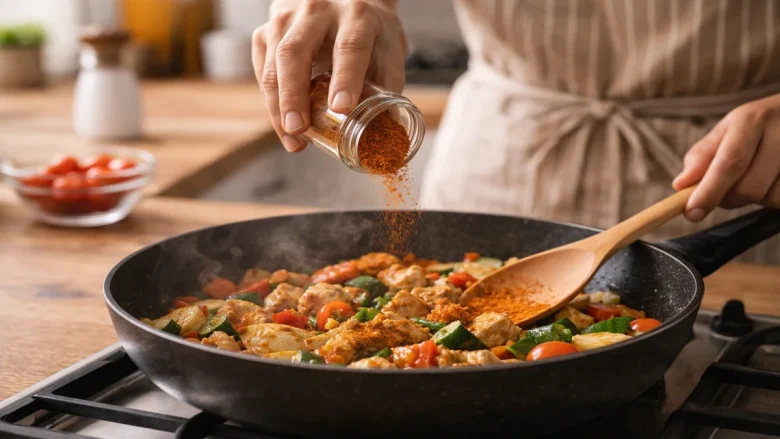
For a long time, I didn’t really think of myself as someone who cooked.
I followed recipes. If everything proceeded as planned, the outcome was satisfactory. But the moment something went slightly off—too salty, overcooked, lacking flavor—I had no idea how to remedy it.
It felt like there was a gap between simply following instructions and actually understanding what I was doing.
Over time, that started to change—not because I learned complicated techniques, but because I picked up a series of small habits. None of them were difficult, and most didn’t take extra time. But together, they made cooking feel more natural and much more consistent.
This article is a collection of those small shifts—the kind that quietly improve how your food turns out without making the process overwhelming.
Why Small Habits Matter More Than Big Techniques
When people think about improving their cooking, they often look for big upgrades—new equipment, advanced recipes, or specialized skills.
But in everyday cooking, it’s usually the smaller habits that have the biggest impact.
They help you:
- Stay organized while cooking
- avoid common mistakes
- understand how flavors develop
- feel more confident making adjustments
Instead of trying to change everything at once, focusing on a few simple improvements can make cooking feel easier almost immediately.
1. Preparing Before You Start
One of the most helpful habits I’ve adopted is preparing everything before turning on the heat.
I used to chop vegetables while something was already cooking, which often led to rushed decisions and uneven results.
What I Do Now
Before I begin cooking, I take a few minutes to:
- chop vegetables
- measure ingredients
- set out what I’ll need
Why It Helps
Cooking becomes more relaxed when you’re not rushing to keep up.
You’re able to focus on timing, texture, and flavor instead of trying to catch up with the recipe.
2. Drying Ingredients Before Cooking
For a long time, I didn’t think much about moisture.
But I noticed that sometimes food didn’t brown properly—it just turned soft or pale.
A Simple Fix
Patting ingredients dry before cooking can make a noticeable difference.
This is especially useful for:
- meat
- mushrooms
- certain vegetables
The Result
Less moisture means better browning, which improves both texture and flavor.
It’s a small step, but it consistently improves the final result.
3. Adding a Touch of Acidity
Sometimes a dish tastes complete but still feels like something is missing.
I used to add more salt in those situations, but that didn’t always help.
What Works Better
Adding a small amount of acidity can balance the dish.
Common options include:
- lemon or lime juice
- vinegar
- yogurt (in some recipes)
When to Use It
If a dish feels too heavy or flat, a small amount of acid can make it feel lighter and more balanced.
4. Giving Ingredients Enough Space
I used to cook everything in one batch, thinking it would save time.
But overcrowding the pan often led to uneven cooking.
A Better Approach
Leaving some space between ingredients helps them cook properly.
If there’s too much in the pan:
- Moisture builds up
- Food steams instead of browning
What I Changed
Now, I cook in smaller batches when needed.
It might take a few extra minutes, but the improvement in texture is worth it.
5. Heating the Pan First
This is something I learned later than I expected.
I used to add oil to a cold pan and heat everything together.
What Works Better
Heating the pan first, then adding oil, helps create a better cooking surface.
Why It Matters
A properly heated pan:
- reduces sticking
- improves browning
- gives more consistent results
It’s a small adjustment, but it makes cooking feel smoother.
6. Making Small Changes to Everyday Tasks
Some improvements come from simple adjustments rather than major changes.
A Few That Helped Me
- Adding salt to the pasta water instead of leaving it plain
- letting cooked meat rest before cutting
- using freshly ground spices when possible
The Impact
These small changes don’t require extra effort, but they improve flavor and texture in noticeable ways.
7. Tasting While Cooking
This is one of the most important habits I’ve developed.
Before, I would only taste food at the end.
What I Do Now
I taste at different stages while cooking.
This helps me:
- Adjust seasoning gradually
- understand how flavors develop
- avoid last-minute surprises
Why It Matters
Cooking becomes more predictable when you know how the dish is progressing.
It also builds confidence over time.
8. Keeping the Workspace Manageable
A cluttered workspace used to slow me down more than I realized.
A Simple Habit
While something is cooking, I clean up small things:
- rinse utensils
- Clear the cutting board
- Organize the counter
The Benefit
By the time the meal is ready, most of the cleanup is already done.
This makes the overall experience much more enjoyable.
9. Understanding That Food Keeps Cooking
One mistake I used to make was cooking everything until it looked completely done in the pan.
What I Learned
Food continues to cook even after it’s removed from the heat.
What I Do Now
I take food off the heat slightly earlier than I used to.
This helps prevent overcooking, especially with:
- meat
- eggs
- certain vegetables
10. Building Confidence Through Repetition
At first, these habits felt like things I had to remember.
But over time, they became automatic.
What Changed
I stopped worrying about doing everything perfectly and focused on consistency instead.
The Result
Cooking feels less like following instructions and more like a natural process.
And that shift makes a big difference.
Bringing It All Together
None of these habits is complicated on its own.
But when combined, they create a smoother and more reliable cooking experience.
You don’t need to apply all of them at once.
A Simple Way to Start
Pick one or two habits and focus on those:
- Prepare ingredients before cooking
- taste your food as it cooks
- Avoid overcrowding the pan
Once those feel natural, you can build from there.
Final Thoughts
Improving your cooking doesn’t require a complete overhaul of your kitchen or your routine.
Often, it comes down to small, thoughtful adjustments.
These habits don’t just improve how food turns out—they make the process more enjoyable.
Cooking becomes less rushed, less stressful, and more intuitive.
And over time, that’s what turns everyday meals into something you can feel confident about.