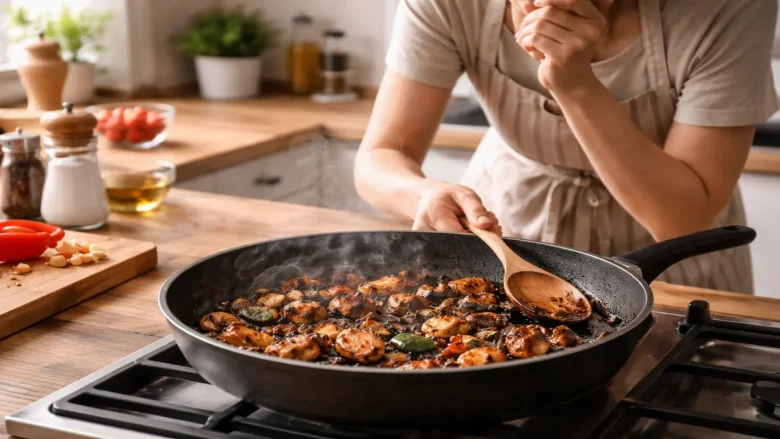
Cooking has always been a mix of creativity, experimentation, and sometimes, trial-and-error. When I first started, I made countless mistakes that left me frustrated and convinced I wasn’t cut out for the kitchen. Over the years, though, I’ve learned practical ways to fix these mistakes—and now, I want to share them with you so your cooking journey can be smoother, tastier, and far less stressful.
Ignoring the Importance of Mise en Place
One of the earliest mistakes I made was starting to cook without prepping ingredients first. I would grab vegetables, spices, and meat as I went along, which led to missed steps and burnt dishes.
How I fixed it: I adopted the French technique of mise en place, which means “everything in its place.” Now, I chop, measure, and organize every ingredient before I turn on the stove. This small change makes a massive difference—it keeps me calm, focused, and ensures nothing is forgotten.
Example: When making stir-fry, I now have the garlic minced, the bell peppers sliced, and the sauce mixed in a bowl before heating the wok. The result? Even cooking and perfectly balanced flavors.
Overcrowding the Pan
Early on, I thought bigger was better. I’d throw an entire batch of vegetables or meat into the pan at once. The outcome was always disappointing: soggy vegetables and unevenly cooked meat.
How I fixed it: I learned to cook in batches. Giving food space allows it to brown properly and develop more flavor.
Practical Tip: For roasted vegetables, spread them in a single layer on the baking sheet. For seared meat, leave gaps between each piece. It might take longer, but the result is always worth it.
Not Tasting as You Go
There was a period when I followed recipes to the letter without tasting my food. I believed measuring perfectly guaranteed delicious results—but it didn’t.
How I fixed it: I started tasting at key points—after seasoning, midway through cooking, and before serving. Adjusting salt, acidity, or spice level based on taste prevents bland or over-seasoned dishes.
Example: While making tomato sauce, I taste it after simmering for 10 minutes. If it needs more acidity, I add a splash of vinegar or lemon juice. Small tweaks make a huge difference.
Using the Wrong Knife or Cutting Technique
I once thought all knives were the same. My chopping was slow, uneven, and sometimes dangerous. On top of that, I didn’t understand which cuts worked best for different foods.
How I fixed it: Investing in a good chef’s knife and learning basic cutting techniques changed everything. I learned to dice, julienne, and chiffonade efficiently.
Practical Tip: Keep your knives sharp—it’s safer and faster. Use a rocking motion for herbs, a straight downward chop for vegetables, and always tuck your fingers inward when cutting.
Overcooking or Undercooking Protein
I remember serving chicken that was dry or fish that was raw in the middle. It was embarrassing and discouraging.
How I fixed it: I started using a meat thermometer and learned proper cooking times for each protein. Understanding heat control and doneness levels makes a huge difference.
Example: Chicken breast at 165°F, salmon at 125°F for medium, and steak at your preferred temperature. Knowing these numbers saves frustration and ensures consistently perfect results.
Neglecting to Let Meat Rest
I used to cut into meat the moment it came off the pan or grill. The juices would run out, leaving the meat dry.
How I fixed it: Letting meat rest for 5–10 minutes allows juices to redistribute. This simple step transformed my steaks, roasts, and even chicken thighs.
Practical Tip: Tent meat loosely with foil while resting to retain heat without steaming it.
Relying Too Much on Recipes
At first, I relied on recipes like a safety net, following them word-for-word. While recipes are great, this habit limited my creativity and intuition in the kitchen.
How I fixed it: I learned to understand flavors, textures, and cooking methods. Once I grasped the principles, I could improvise confidently.
Example: Instead of following a recipe exactly, I now tweak spices based on what I have on hand. If I’m out of basil, I might add oregano and thyme, creating a slightly different—but still delicious—dish.
Forgetting to Preheat Pans and Ovens
I often added food to a cold pan or oven, thinking the cooking process would just adjust. Instead, I ended up with unevenly cooked dishes.
How I fixed it: I now always preheat my oven and pan. This ensures even cooking, proper browning, and better texture.
Practical Tip: For cast iron skillets, preheat for several minutes until it’s hot but not smoking. For baking, wait until the oven reaches the exact temperature before placing your dish inside.
Over-Salting or Under-Seasoning
I used to either oversalt out of habit or be timid and leave dishes bland.
How I fixed it: I learned to season in layers—salt during cooking, adjust at the end, and balance with acid or fat if necessary.
Example: When roasting vegetables, I sprinkle salt before roasting, taste halfway, and adjust at the end. For sauces, a splash of lemon or vinegar can elevate flavor without extra salt.
Using Poor Quality Ingredients
Early on, I didn’t consider ingredient quality important. I bought the cheapest produce, meat, and spices. Unsurprisingly, the results were often lackluster.
How I fixed it: Investing in fresh, seasonal produce, good-quality oils, and fresh herbs transformed my dishes. Even small upgrades, like using real vanilla instead of imitation, make a noticeable difference.
Practical Tip: Buy herbs and spices in small quantities to maintain freshness. Local markets often have better flavor than supermarket shelves.
Not Cleaning as You Cook
I would let dishes pile up and the kitchen become chaotic. It slowed me down and made cooking stressful.
How I fixed it: I adopted a “clean-as-you-go” habit. Wash prep bowls, wipe counters, and clear cutting boards between tasks. A clean workspace improves focus and reduces post-cooking cleanup stress.
Example: While making a stir-fry, I rinse the cutting board and wash the knife right after chopping vegetables. It keeps the counter organized and prevents cross-contamination.
Skipping Resting Time for Dough and Batters
I often rushed bread, pizza, or pancake batters straight into cooking, which led to dense, tough results.
How I fixed it: Allowing dough or batter to rest as instructed improves texture and flavor. Yeast needs time to rise, and gluten needs time to relax.
Example: For pancakes, I let the batter sit 10–15 minutes before cooking. The result is fluffier, more tender pancakes every time.
Overcomplicating Simple Dishes
I used to think more ingredients meant better food. Sometimes, my dishes were overly complex and didn’t taste better than simpler versions.
How I fixed it: I embraced simplicity. High-quality ingredients, proper seasoning, and good technique often outperform complicated recipes.
Example: A caprese salad with fresh tomatoes, mozzarella, basil, olive oil, and a touch of balsamic vinegar tastes far better than a salad loaded with unnecessary extras.
Conclusion
Cooking is a journey of learning, experimenting, and sometimes making mistakes. The mistakes I’ve shared—from neglecting prep to overcomplicating recipes—taught me that small changes in technique, seasoning, and planning create a huge impact in the kitchen. By applying these practical fixes, you can save time, reduce stress, and elevate your cooking from “just edible” to consistently delicious. Remember, every chef starts somewhere—what matters is learning and adapting along the way.
FAQs
1. What’s the easiest mistake to fix in cooking?
Prepping ingredients before cooking (mise en place) is one of the simplest yet most impactful fixes. It keeps you organized and prevents last-minute errors.
2. How can I prevent overcooking meat?
Use a meat thermometer and understand recommended internal temperatures for each type of protein. Rest meat after cooking to retain juices.
3. Is seasoning during cooking necessary?
Yes. Layered seasoning—adding salt and spices at multiple stages—ensures a balanced and flavorful dish.
4. How do I avoid soggy vegetables?
Avoid overcrowding the pan or baking sheet. Give vegetables space so they can roast or sauté evenly.
5. Can I still follow recipes if I want to improve my cooking skills?
Absolutely. Use recipes as a guide, but learn to taste, adjust, and improvise. Understanding techniques and flavors will help you become confident and creative in the kitchen.