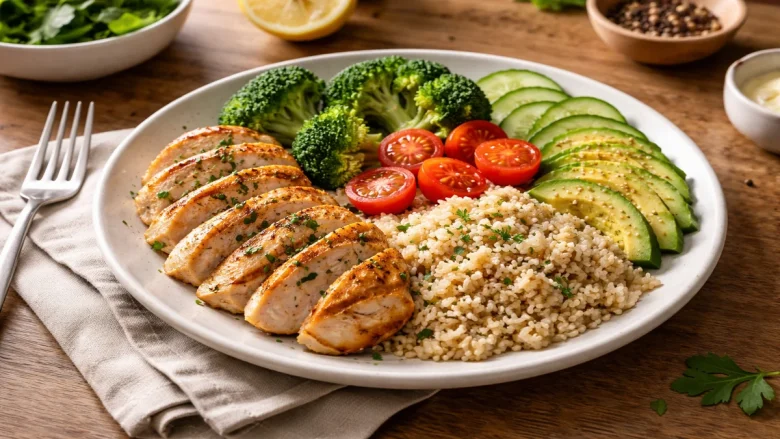
For years, I struggled with following strict diet plans. Counting calories, tracking macros, and measuring every ingredient became exhausting and made me dread meals instead of enjoying them. Over time, I discovered a simpler, more sustainable way to cook balanced meals—one that focuses on variety, portion awareness, and practical habits rather than rigid rules. Today, I want to share my approach so you can enjoy healthy, nourishing meals without feeling restricted.
Understanding What a Balanced Meal Really Means
When people hear “balanced meal,” they often think of complicated formulas or expensive ingredients. For me, balance means including protein, healthy fats, complex carbohydrates, and plenty of vegetables in a way that feels natural and satisfying. It doesn’t require weighing food or following strict schedules—it’s about listening to your body and choosing ingredients that support energy, digestion, and overall wellness.
Building Meals Around Whole Foods
The foundation of my approach is whole foods. Fresh vegetables, fruits, lean proteins, whole grains, and legumes form the base of most meals. For instance, a simple plate might include roasted chicken, quinoa, and a mix of colorful vegetables. By starting with whole foods, I automatically reduce processed ingredients, added sugars, and unhealthy fats, which makes meals inherently balanced.
My Practical Tip:
Keep a variety of frozen vegetables and pre-cooked grains in your kitchen. They make it easier to assemble balanced meals quickly without sacrificing nutrition.
Protein: The Key to Feeling Full
Protein is essential in my meals because it keeps me full longer and supports muscle health. I don’t limit myself to one source. I rotate between chicken, fish, eggs, lentils, beans, and tofu. For example, on weekdays, I often cook a quick stir-fry with shrimp or chickpeas, paired with brown rice or whole-wheat noodles. By varying protein sources, I avoid monotony and ensure I get a wide range of nutrients.
Quick Protein Swaps:
- Chicken → Tempeh or Tofu
- Beef → Lentils or Black Beans
- Fish → Edamame or Paneer
These swaps help me maintain balance even on busy days.
Emphasizing Vegetables and Fruits
Vegetables and fruits are the unsung heroes of my meals. They provide fiber, vitamins, and antioxidants while adding color, texture, and natural flavor. I aim to fill at least half my plate with vegetables. For breakfast, I add spinach to scrambled eggs or a handful of berries to oatmeal. Lunch and dinner often include roasted or steamed veggies like broccoli, bell peppers, zucchini, or carrots.
Practical Tip:
Experiment with roasting vegetables with minimal oil and seasonings. Roasting enhances flavor and makes even simple veggies feel indulgent.
Choosing Complex Carbohydrates Wisely
Carbohydrates are not the enemy—they are a crucial energy source. I focus on complex carbs like brown rice, quinoa, oats, sweet potatoes, and whole-grain bread. These carbs release energy slowly, keeping me full and satisfied. On particularly busy days, I rely on quick-cooking options like whole-grain pasta or microwavable brown rice packs. Pairing them with protein and vegetables ensures my meals remain balanced.
Including Healthy Fats Without Overdoing It
Healthy fats, such as olive oil, avocado, nuts, and seeds, are part of my approach. I measure small amounts rather than pouring freely, which keeps calorie intake in check without removing flavor. For example, I drizzle olive oil over roasted vegetables or add a few slices of avocado to my salad. These fats help with satiety and provide essential nutrients like omega-3 fatty acids.
Practical Fat Tips:
- Use a teaspoon of oil for cooking instead of a tablespoon.
- Sprinkle seeds or nuts over meals for texture and nutrition.
- Add avocado or nut butter to smoothies for creaminess.
Cooking Methods That Enhance Balance
The way I cook ingredients affects both nutrition and flavor. Steaming, roasting, grilling, and lightly sautéing preserve nutrients while keeping oil and fat low. For instance, instead of deep-frying chicken, I roast it with herbs, which keeps it moist and flavorful. I also enjoy stir-frying vegetables with a splash of broth instead of oil. These methods allow me to make meals delicious and balanced without resorting to processed ingredients.
Planning Without Strict Rules
Rather than following rigid meal plans, I maintain a flexible approach. I prepare a list of versatile ingredients each week and mix them in different combinations. For example, quinoa, roasted vegetables, and chicken can become a salad, a grain bowl, or a wrap. This flexibility prevents boredom and keeps me from feeling restricted, while still maintaining balance.
My Weekly Prep Strategy:
- Cook a batch of whole grains.
- Roast or steam vegetables.
- Prepare proteins in bulk.
- Combine ingredients in different ways throughout the week.
This strategy saves time and ensures I always have balanced meal options ready.
Adding Flavor Without Extra Calories
Balanced meals don’t have to be bland. I rely on herbs, spices, citrus, vinegar, and low-sodium sauces to enhance flavor without adding unnecessary fat or sugar. For example, a simple lemon-tahini dressing or garlic-rosemary marinade transforms basic ingredients into a satisfying dish. This approach keeps me motivated to eat healthy meals regularly.
Mindful Eating Habits
Cooking balanced meals is just part of the equation. I also practice mindful eating—paying attention to hunger cues, eating slowly, and savoring flavors. This habit helps me avoid overeating and appreciate the effort I put into preparing meals. Even a simple dinner can feel rewarding when I eat with awareness.
Examples of My Go-To Balanced Meals
Here are a few meals I regularly make that are easy, balanced, and satisfying:
- Breakfast: Oatmeal with chia seeds, berries, and a spoonful of almond butter.
- Lunch: Quinoa bowl with roasted chicken, broccoli, bell peppers, and tahini dressing.
- Snack: Carrot sticks with hummus or a handful of mixed nuts.
- Dinner: Baked salmon with sweet potato wedges and steamed asparagus.
- Quick Option: Stir-fried tofu with mixed vegetables and brown rice.
Each meal follows my principles: protein, vegetables, healthy carbs, and a small amount of healthy fats, all seasoned naturally.
Seeing the Benefits Over Time
Since adopting this flexible, balanced approach, I’ve noticed several improvements. My energy levels remain steady throughout the day, I feel lighter after meals, and I no longer experience cravings for unhealthy snacks. Importantly, I enjoy food rather than dreading restrictions. This method has made eating sustainably healthy a part of my lifestyle rather than a temporary diet.
Conclusion
Cooking balanced meals without strict diet plans is about simplicity, flexibility, and smart habits. By focusing on whole foods, incorporating protein, vegetables, complex carbs, and healthy fats, and using mindful cooking techniques, anyone can create satisfying meals that nourish the body. Flavor, variety, and practicality matter just as much as nutrition. My approach proves that you don’t need rigid rules to maintain a healthy diet—you just need consistent, small steps that work in your daily life.
FAQs
1. Can I really maintain a healthy diet without counting calories?
Yes. Focusing on whole foods, balanced portions, and mindful eating is often more sustainable than strict calorie tracking.
2. How do I ensure my meals have enough protein?
Include a source of protein in each meal, such as eggs, chicken, fish, legumes, or tofu, and vary your sources for nutrients.
3. What if I don’t like vegetables?
Experiment with cooking methods like roasting, steaming, or sautéing, and use herbs or spices to enhance flavor. Mix them into grains, eggs, or soups.
4. How can I save time while cooking balanced meals?
Batch-cook grains, proteins, and vegetables once or twice a week, then mix and match ingredients for quick meals throughout the week.
5. Are healthy fats necessary in every meal?
Small amounts of healthy fats help with satiety and nutrient absorption. Use measured portions like a teaspoon of oil, a small handful of nuts, or avocado slices.