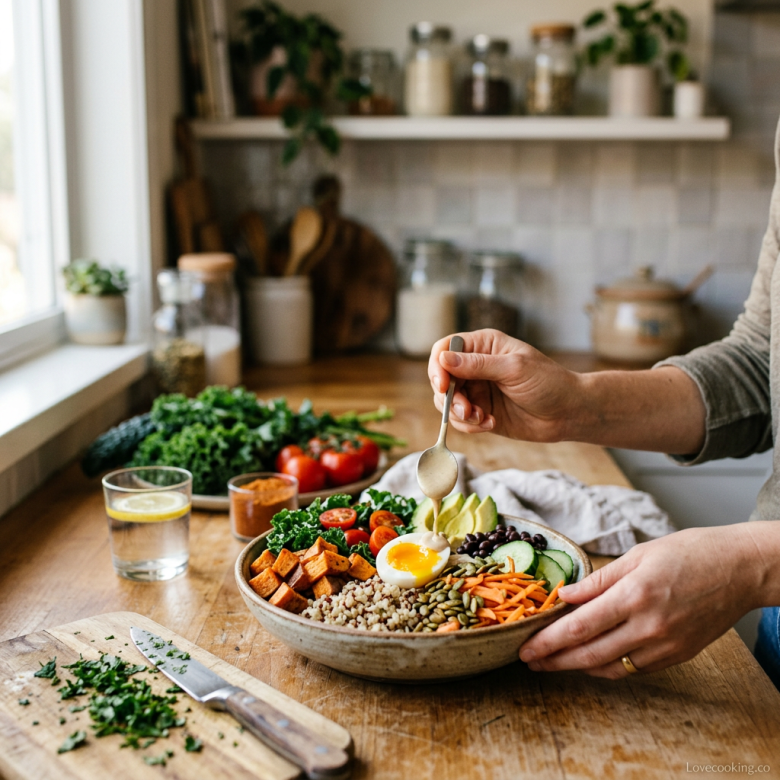
We’ve all experienced it—eating a meal that feels filling at first, but within a couple of hours, hunger returns. On the other hand, some meals keep you comfortably full for much longer without constant snacking or cravings. This difference isn’t random. It comes down to how food is structured—what ingredients are used, how they are combined, and how the body processes them.
In simple terms, meals that keep you full longer usually include a balance of protein, fiber, healthy fats, and slow-digesting carbohydrates. These components work together to release energy gradually instead of giving a quick spike followed by a crash.
In everyday life, this matters a lot. Whether someone is studying, working long hours, managing household tasks, or traveling, feeling full for longer helps maintain steady energy and reduces unnecessary snacking. This article explains practical, real-world meal ideas and how they work in simple terms.
What Makes a Meal “Filling” in Real Life?
Feeling full after eating is not just about quantity—it’s about how food behaves inside the body.
Key Factors That Increase Fullness
A meal tends to keep you full longer when it includes the following:
- Protein: Slows digestion and increases satiety
- Fiber: Adds bulk and supports digestion
- Healthy fats: Provide slow, steady energy release
- Complex carbohydrates: Release energy gradually
Real-World Understanding
For example:
- A sugary snack may fill you quickly but leaves you hungry soon after
- A balanced meal with eggs, whole grains, and vegetables keeps you satisfied longer
In practical terms, it’s not about eating more—it’s about eating smarter combinations of food.
Why Long-Lasting Fullness Matters in Daily Life
Many people underestimate how much their food choices affect their daily routine.
Energy Stability Throughout the Day
When meals are filling and balanced, energy levels tend to remain more stable. This means fewer sudden hunger spikes or fatigue moments during work or study.
Reduced Unnecessary Snacking
People often snack not because they are truly hungry, but because their previous meal didn’t last long enough. Filling meals help reduce this pattern naturally.
Better Focus and Productivity
When the body is not constantly asking for food, the mind can stay more focused on tasks, whether at work, school, or home.
Household and Lifestyle Impact
For families, filling meals can
- Reduce frequent cooking pressure
- Help maintain consistent meal routines
- Support more structured eating habits
Protein-Rich Meal Ideas That Keep You Full Longer
Protein is one of the most important nutrients for long-lasting fullness. It takes longer to digest and helps control hunger naturally.
Simple High-Protein Meal Ideas
Here are practical, everyday examples:
- Eggs with whole wheat toast and vegetables
- Grilled chicken with rice and salad
- Lentil soup with whole-grain bread
- Yogurt with nuts and fruits
- Chickpea or bean-based curries
Real-Life Example
A breakfast of eggs and toast will typically keep someone full much longer than a breakfast of plain bread or tea alone. The protein in eggs slows digestion and keeps energy steady.
Practical Impact
Protein-rich meals:
- Reduce mid-morning or mid-afternoon hunger
- Support steady energy levels
- Help avoid frequent snacking
Fiber-Rich Meals That Support Long-Term Fullness
Fiber is another key factor in feeling full. It adds bulk to food without adding extra calories and slows digestion.
Fiber-Based Meal Ideas
Some simple examples include:
- Vegetable and lentil soup
- Brown rice with mixed vegetables
- Oats with fruit and seeds
- Whole wheat roti with vegetable curry
- Fresh salads with beans or chickpeas
Real-Life Example
A bowl of vegetable soup with beans can keep someone full much longer than a small snack like biscuits or chips, even if both have similar calories.
Why It Works in Daily Life
Fiber helps:
- Slow down digestion
- Improve satiety signals in the body
- Reduce sudden hunger cravings
In practical terms, meals high in fiber feel “steady” rather than quickly satisfying and then fading.
Healthy Fat-Based Meals That Provide Slow Energy
Fats are often misunderstood, but they play a strong role in long-lasting fullness when used correctly.
Examples of Healthy Fat Sources
- Nuts and seeds
- Avocados
- Olive oil or mustard oil in moderation
- Peanut butter
- Fatty fish (in some diets)
Meal Ideas with Healthy Fats
- Whole grain toast with peanut butter and banana
- Salad with olive oil dressing and chickpeas
- Yogurt with nuts and seeds
- Rice bowl with vegetables and a small amount of oil
Real-World Understanding
Healthy fats slow down digestion, meaning energy is released gradually. This helps prevent sudden hunger between meals.
Balanced Meal Combinations That Work Best in Real Life
The most effective approach is not focusing on a single nutrient but combining all three: protein, fiber, and healthy fats.
Simple Balanced Meal Examples
- Grilled chicken + brown rice + vegetables
- Lentils + whole wheat roti + salad
- Eggs + oats + fruit
- Chickpeas + vegetables + yogurt
Why This Works
Each component plays a different role:
- Protein reduces hunger
- Fiber adds volume
- Fats slow digestion
Together, they create meals that feel satisfying for longer periods.
Practical Impact
Balanced meals help:
- Maintain energy without crashes
- Reduce overeating later
- Support consistent eating patterns
Everyday Meal Ideas for Busy Schedules
Many people struggle to prepare filling meals due to time constraints. Here are simple, realistic options.
Quick Breakfast Ideas
- Oats with milk, nuts, and fruit
- Boiled eggs with toast
- Yogurt bowl with seeds and banana
Easy Lunch Options
- Rice with lentils and vegetables
- Chicken wrap with salad
- Chickpea bowl with olive oil dressing
Simple Dinner Ideas
- Stir-fried vegetables with protein
- Soup with bread and beans
- Grilled fish or chicken with vegetables
Real-Life Scenario
A working professional who eats a balanced lunch with protein and fiber is less likely to feel tired or hungry in the afternoon compared to someone who eats a light, low-protein meal.
Common Challenges People Face with Filling Meals
Even though the idea is simple, real-life application can be challenging.
Lack of Time
Busy schedules often lead to quick meals that may not be balanced enough to last long.
Over-Reliance on Processed Foods
Processed snacks may feel convenient but often do not provide long-lasting fullness.
Misunderstanding Portion Size
Some people think eating more quantity equals better fullness, but balance matters more than volume.
Adjusting Taste Preferences
Switching from highly processed foods to more natural meals may take time for taste adaptation.
Practical Tips to Make Meals More Filling Without Complexity
Small changes can significantly improve how long meals keep you full.
Simple Adjustments
- Add protein to every meal
- Include vegetables in most dishes
- Replace refined grains with whole grains whenever possible
- Add small amounts of healthy fats
- Avoid skipping meals
Real-Life Application
For example, adding boiled eggs or beans to a simple salad can turn it from a light snack into a full meal.
What This Means in Daily Life
These small changes:
- Reduce hunger between meals
- Improve meal satisfaction
- Help create stable eating routines
Future Trends in Everyday Filling Meals
Food habits are slowly evolving due to lifestyle changes and awareness.
More Focus on Balanced Eating
People are moving away from extreme diets and focusing more on balanced, sustainable meals.
Growth of Simple Home Cooking
Home-cooked meals are becoming more popular, allowing better control over ingredients and fullness.
Convenience with Nutrition Awareness
Even ready-made meals are increasingly being designed with better balance in mind.
Shift Toward Natural Foods
There is growing interest in minimally processed foods that naturally support fullness.
Conclusion:
Healthy meals that keep you full for longer are not complicated or restrictive. They are built on simple principles: combining protein, fiber, and healthy fats in a balanced way. In real life, this approach helps maintain steady energy, reduce unnecessary snacking, and make daily routines more manageable. Whether at home, at work, or on the go, small changes in meal composition can make a noticeable difference in how long you feel satisfied after eating. The key takeaway is simple: it’s not about eating less or more—it’s about eating smarter combinations that work with your body’s natural digestion process.