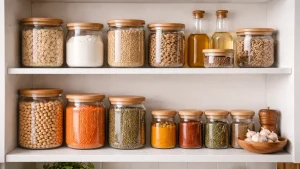
For a long time, I believed that better cooking required better tools.
I thought if I had more advanced equipment or harder-to-find ingredients, my food would automatically improve. It felt like there was always something missing—some secret that professional kitchens had figured out.
Over time, though, I realized something much simpler.
The difference isn’t usually in what you have. It’s in how you use it.
Most home kitchens already have everything needed to cook good, satisfying meals. What often makes the real difference is understanding how basic ingredients behave—how they react to heat, how they combine, and how small changes can improve the final result.
This guide is built around that idea. These are the practical habits and observations that helped me get more out of everyday ingredients without making cooking more complicated.
Why Understanding Ingredients Matters
When you understand your ingredients, cooking becomes less stressful.
Instead of relying completely on recipes, you start to notice patterns:
- Why certain flavors work together
- How small adjustments change a dish
- What to do when something doesn’t taste right
This doesn’t mean you stop following recipes. It just means you’re no longer dependent on them.
1. Salt: More Than Just Taste
Salt is one of the most misunderstood ingredients in cooking.
It doesn’t just make food “salty.” Used properly, it helps bring out the natural flavor of ingredients and balances other tastes.
A Better Way to Use Salt
One habit that improved my cooking was salting earlier in the process instead of waiting until the end.
- Adding salt while cooking allows it to spread evenly.
- It helps ingredients release their natural flavor
- it reduces the need for heavy seasoning later
I also found it helpful to use salt in small amounts and adjust gradually instead of adding too much at once.
Choosing the Right Type (Without Overthinking It)
You don’t need multiple types of salt, but understanding the basics helps:
- Coarse salt is easier to control while cooking
- Finer salt dissolves quickly in liquids
The key is consistency—use what you’re comfortable with and learn how it behaves.
2. Onions and Garlic: Building Flavor from the Start
Onions and garlic are used in so many dishes that it’s easy to overlook how important they are.
They often form the base of a meal, even if you don’t notice them directly.
Cooking Onions Properly
The way onions are cooked can change the entire dish.
- Cooking slowly brings out sweetness
- Cooking quickly keeps a sharper flavor
I used to rush this step, but giving onions a few extra minutes makes a noticeable difference.
Timing Garlic Carefully
Garlic cooks much faster than onions and can turn bitter if overcooked.
A simple rule that works well:
- Add garlic after onions have softened
- Cook it briefly before adding liquids
This keeps the flavor balanced instead of overpowering.
3. Acid: The Ingredient People Forget
Sometimes a dish tastes flat even when it seems properly seasoned.
Often, what’s missing isn’t salt—it’s a bit of acidity.
What Acid Does
Acid helps:
- brighten flavors
- balance richness
- make dishes feel less heavy
Even a small amount can change how a dish tastes.
Simple Ways to Use It
You don’t need anything complicated. Common options include:
- lemon or lime juice
- vinegar
- yogurt or tomatoes (depending on the dish)
If something tastes dull, adding a small amount of acid can often improve it.
4. Fats: Not Just for Cooking
Fats are often thought of as just a cooking medium, but they do more than prevent sticking.
They help carry flavor and affect how food feels when you eat it.
Choosing the Right Fat
Different fats behave differently:
- Butter adds richness
- Oils vary from neutral to flavorful
- Some fats handle high heat better than others
I’ve found it helpful to match the fat to the dish instead of using the same one every time.
Using Fat for Flavor
Adding a small amount of fat at the end of cooking—like a bit of butter or oil—can make a dish feel more complete without making it heavy.
5. Spices: Getting More Out of What You Have
Spices can entirely change a dish, but they’re often underused.
Many people add them without thinking about how to bring out their flavor.
A Simple Improvement
One small change that helped me:
- warming spices briefly before adding liquids
This helps release their aroma and makes the flavor more noticeable.
Keeping Spices Fresh
Spices lose strength over time.
To keep things simple:
- store them in a cool, dry place
- avoid keeping them for too long
You don’t need a large collection—just a few fresh ones you use regularly.
6. Flour and Starches: Controlling Texture
Flour and starches aren’t just for baking.
They play an important role in everyday cooking, especially when it comes to texture.
Thickening Without Overcomplicating
Two simple methods:
- cooking flour with fat to create a base
- mixing starch with water before adding it to a dish
Both help control how thick or light a sauce feels.
Why It Matters
Texture affects how we experience food just as much as taste.
A well-balanced dish isn’t just flavorful—it also feels right.
7. Fixing a Dish When Something Feels Off
Even with experience, things don’t always turn out perfectly.
Instead of starting over, it helps to know how to adjust.
Common Adjustments
- too salty → add more base ingredients or a small amount of acid
- too bland → add salt first, then adjust further if needed
- too heavy → add something acidic or fresh
- too strong → balance with neutral ingredients
These small fixes can save a dish without much effort.
8. Storage Still Matters
Even the best ingredients won’t perform well if they aren’t stored properly.
Good storage keeps flavors intact and reduces waste.
Simple Storage Habits
- Keep dry items sealed
- Store fresh produce properly
- Avoid overcrowding the fridge
I’ve noticed that when ingredients are stored better, cooking becomes easier because everything is in excellent condition.
9. Building Confidence in the Kitchen
One of the biggest changes for me wasn’t learning new recipes—it was becoming more comfortable with what I already knew.
Understanding ingredients helps build that confidence.
You start to:
- trust your instincts more
- make small changes without hesitation
- rely less on exact measurements
That’s when cooking starts to feel more natural.
10. Start Small and Stay Consistent
You don’t need to change everything at once.
A few simple steps can make a real difference:
- pay attention to how ingredients react
- Adjust seasoning gradually
- try one new technique at a time
Over time, these small improvements add up.
Final Thoughts
Better cooking doesn’t require complicated methods or expensive tools.
Most of the time, the key is to grasp the fundamentals and apply them effectively.
Once you start paying attention to how ingredients behave—how salt enhances flavor, how acid balances a dish, how timing changes everything—you begin to see cooking differently.
It becomes less about following instructions and more about making thoughtful choices.
And that’s what turns everyday meals into something you actually enjoy making—and eating.