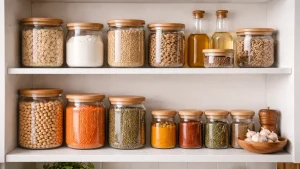
There was a time when my spice rack was more for decoration than actual cooking. I had jars of cumin, paprika, turmeric, and a dozen others sitting quietly in the corner of my kitchen, barely touched. Whenever I cooked, I would instinctively reach for salt and black pepper—and stop there.
If a recipe specifically mentioned a spice, I’d use it. Otherwise, I ignored it.
Over time, though, I realized something simple but important: spices aren’t extras—they’re what make food truly enjoyable. Once I started using them properly, even my simplest meals began to taste richer, more balanced, and far more satisfying.
In this guide, I’ll share what I’ve personally learned about using common spices in everyday cooking—without making things complicated or overwhelming.
Why Spices Make Such a Big Difference
Spices do more than just add flavor. They:
- deepen the taste of simple ingredients
- bring balance to a dish
- make everyday meals feel more complete
You don’t need expensive ingredients or complex recipes to cook well. Often, it’s just about using the right spice, at the right time, in the right way.
1. Start with Fresh Spices (It Matters More Than You Think)
One mistake I used to make was keeping spices for years without thinking about their quality.
The truth is, spices don’t exactly “spoil,” but they lose their strength over time.
What I Do Now
- I keep my spices away from heat and sunlight
- I check them occasionally using a simple rule:
→ if it doesn’t smell strong, it won’t taste strong - I try not to overstock—fewer fresh spices are better than many old ones
Whole vs Ground
Whenever possible, I prefer whole spices like cumin seeds or coriander seeds. Grinding them fresh gives a much stronger aroma, but even if you’re using ground spices, just make sure they’re not too old.
2. A Small Technique That Changed My Cooking: Blooming Spices
This is probably the biggest improvement I’ve made in my cooking.
Earlier, I used to sprinkle spices directly into sauces or dishes. It worked—but the flavor always felt a bit flat.
Then I learned about “blooming” spices.
What It Means
Instead of adding spices to water-based dishes, you heat them in oil or butter first.
How I Do It
- Heat a small amount of oil
- Add spices (like cumin, turmeric, or paprika)
- Let them cook for 20–30 seconds
- Then add other ingredients
The Result
The flavor spreads evenly throughout the dish instead of sitting on the surface. It’s a small step, but it makes a noticeable difference.
3. Toasting Whole Spices for Extra Flavor
When I have a bit more time, I like to toast whole spices before using them.
Simple Method
- Place whole spices in a dry pan
- Heat on medium for 1–2 minutes
- Stir gently until you smell a warm aroma
That’s it.
Toasting brings out a deeper, slightly nutty flavor that you don’t get otherwise.
4. The Spices I Use Most Often (And How I Use Them)
You don’t need a large collection. I mostly rely on a few common spices and use them in different ways.
Cumin
Cumin has a warm, earthy flavor that works in many everyday dishes.
How I use it:
- in rice dishes
- with vegetables
- in simple curries
Occasionally, I add a pinch of cumin to sautéed vegetables—it adds a depth that’s hard to describe but easy to notice.
Paprika (Especially Smoked Paprika)
Paprika adds color, but smoked paprika adds flavor and depth.
How I use it:
- on roasted potatoes
- in lentil dishes
- with grilled or pan-fried foods
It provides a slightly smoky taste that makes simple meals feel richer.
Turmeric
Turmeric is often used for color, but it also adds a mild, earthy taste.
How I use it:
- in rice
- in basic curries
- with vegetables
I usually use it in small amounts—it’s not meant to overpower a dish.
Cinnamon (Not Just for Sweet Dishes)
This surprised me the most.
Cinnamon isn’t only for desserts—it works well in savory cooking too.
How I use it:
- a small pinch in tomato-based dishes
- in slow-cooked meals
- occasionally in rice
It doesn’t make food sweet—it adds warmth.
Red Chili or Cayenne
For heat, I keep it simple.
How I use it:
- a small pinch to balance heavy dishes
- in sauces that feel too plain
I try not to overdo it. A small amount of seasoning can significantly enhance the flavor.
5. Understanding Balance in Cooking
Occasionally a dish tastes “okay” but not quite right. I used to think it needed more spice, but often it just needed better balance.
Here’s a simple way I think about it:
- Too bland? → add a pinch of spice
- Too heavy? → add something light (like a squeeze of lemon)
- Too strong? → balance it with something neutral
Spices help, but they work best when everything is balanced.
6. Creating a Simple Spice Mix (That Saves Time)
On busy days, I don’t want to open five different jars. So I started making a simple mix that I can use quickly.
My Basic Spice Mix
- 2 parts paprika
- 1 part cumin
- 1 part garlic powder
- a small pinch of chili powder
I keep it in a small jar and use it on:
- vegetables
- chicken
- quick meals
It saves time and keeps the flavor consistent.
7. Common Mistakes I Learned to Avoid
Over time, I realized a few things that were holding my cooking back.
Using Too Many Spices at Once
More isn’t always better. Too many spices can make a dish confusing instead of flavorful.
Ignoring Salt
Spices add flavor, but salt helps bring that flavor out. Without enough salt, even well-spiced food can taste dull.
Adding Spices at the Wrong Time
Adding spices too late means they don’t blend well into the dish. I now try to add them early (especially when cooking in oil).
Overpowering Simple Ingredients
Fresh vegetables or simple meals don’t need heavy seasoning. Sometimes, less really is more.
8. Trusting Your Own Taste
One of the best things I’ve learned is to stop worrying about “perfect” measurements.
Cooking isn’t about getting everything exact—it’s about adjusting as you go.
If something feels missing, try:
- a pinch of spice
- a bit of salt
- or even just letting it cook a little longer
Over time, you naturally develop a sense of what works.
Final Thoughts
Using spices doesn’t have to be complicated. You don’t need a large collection or advanced techniques to make your food taste better.
For me, it came down to a few simple changes:
- using fresher spices
- cooking them properly
- understanding balance
- and experimenting a little
Now, even the simplest meals in my kitchen feel more enjoyable and complete.
If you already have spices sitting unused, try using just one or two in your next meal. Start small, pay attention to the flavor, and adjust from there.
That’s how it started for me—and it made a bigger difference than I expected.