Complicated recipes can easily distract one from home cooking.
Some dishes require long ingredient lists, precise timing, and multiple steps. While those can be enjoyable occasionally, they’re not always practical—especially on busy days.
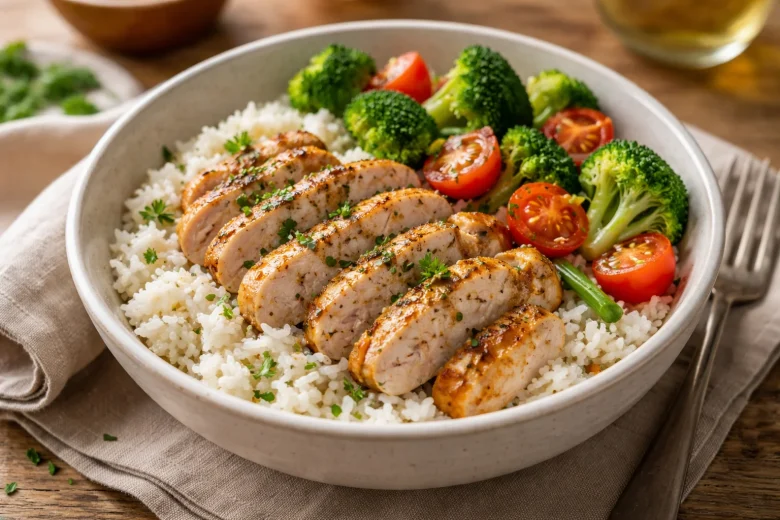
Over time, I found myself returning to one meal again and again: chicken and rice.
At first glance, it sounds almost too simple to talk about. But that simplicity is precisely what makes it worth understanding. When a dish has only a few ingredients, the way you cook it matters more.
This meal became a staple for me. It works when I don’t feel like cooking, when I need something filling, or when I just want a meal that turns out well without much stress.
What made the biggest difference wasn’t adding more ingredients—it was making small changes in how I cooked it.
Why Simple Meals Deserve More Attention
Simple meals often get overlooked because they seem basic.
But in reality, they’re where you learn the most.
With fewer ingredients, you start noticing:
- How heat affects texture
- How flavors build over time,
- how small adjustments change the final result
Chicken and rice are a perfect example of this. When done right, it doesn’t feel basic—it feels complete.
The One-Pot Approach That Changed Everything
I used to cook chicken and rice separately.
It worked, but something always felt missing. The rice tasted plain, and the chicken felt like a separate component rather than part of the same dish.
That changed when I started cooking everything in one pot.
What Makes This Method Better
When you cook chicken first, it leaves behind browned bits in the pan. These bits might not look important, but they carry a lot of flavor.
When rice is cooked in the same pot, it absorbs that flavor along with the liquid.
The Result
- deeper, more savory taste
- better connection between ingredients
- less cleanup afterward
It turns a simple meal into something much more satisfying.
Choosing the Right Ingredients (Keep It Simple)
Since this dish doesn’t rely on many ingredients, the ones you use matter more.
Chicken: Why I Prefer Thighs
I’ve tried different cuts over time, but chicken thighs tend to work best for this method.
They:
- Stay juicy during cooking
- handle heat well
- Add more flavor to the dish
Chicken breast can still work, but it requires more attention to avoid drying out.
Rice: Long-Grain Works Best
I usually use long-grain rice like basmati.
It cooks evenly and stays separate instead of becoming too soft or sticky.
Liquid: Keep It Flexible
You can use:
- water,
- simple broth
- or a mix of both
Even basic seasoning can produce excellent results when combined with the flavor from the chicken.
The Cooking Process (Step by Step)
This is the method I’ve settled into over time. It’s simple and doesn’t require special equipment.
Step 1: Start with the Chicken
Place the chicken in a pan with a little oil and cook until the outside develops some color.
You don’t need to cook it fully at this stage.
Step 2: Remove and Set Aside
Take the chicken out and leave the pan as it is.
The remaining oil and browned bits will be used for the rice.
Step 3: Toast the Rice
Add dry rice to the same pan and stir it for a minute or two.
This step adds a slightly nutty flavor and helps the grains stay separate.
Step 4: Add Liquid and Seasoning
Pour in your liquid and add basic seasonings, such as salt and a small amount of spices, if you prefer.
Step 5: Bring Everything Together
Place the chicken back on top of the rice.
Cover the pan and let it cook on low heat.
Step 6: Let It Rest
Once the rice is cooked, turn off the heat and let the dish sit for a few minutes before serving.
This helps everything settle and improves the final texture.
Small Flavor Upgrades That Make a Big Difference
Once you’re comfortable with the basic method, small additions can change the flavor without making things complicated.
Simple Variations
- Add garlic or ginger for extra depth
- include a pinch of turmeric or cumin
- Mix in a few vegetables if available
- Finish with fresh herbs if you have them
The Key Idea
You don’t need to add everything at once.
Even one small change can make the dish feel different.
Why a Bit of Acidity Helps
One thing I didn’t understand early on was balance.
Chicken and rice can feel heavy if nothing cuts through the richness.
A Simple Fix
Adding a small amount of acidity at the end can help.
This could be:
- a squeeze of lemon
- a splash of vinegar
What It Does
It brightens the overall flavor and makes the dish feel lighter.
Making the Most of Leftovers
This meal’s success stems from its ability to prevent waste.
Leftovers are easy to reuse in different ways.
Simple Ideas
- Reheat with a little water to keep it soft
- Turn it into quick fried rice
- Add water or broth to make a simple soup
Why It’s Useful
It saves time and reduces the need to cook from scratch again.
Storage Tips That Actually Help
Rice dishes need a bit of care when storing.
What I Do
- Transfer leftovers to a container once cooled
- avoid leaving it out for too long
- Reheat with a small amount of moisture
The Benefit
This keeps the texture from becoming dry and helps maintain quality.
Why This Meal Works in Everyday Life
This dish isn’t just about convenience.
It works because it fits into real routines.
What Makes It Practical
- doesn’t require many ingredients
- easy to prepare
- flexible with substitutions
- filling without being complicated
Bringing It All Together
Chicken and rice is one of those meals that improves with practice.
At first, it might feel simple.
But over time, you start noticing how small details—like heat, timing, and seasoning—make a difference.
Final Thoughts
Not every meal needs to be elaborate to be satisfying.
Occasionally, the most useful recipes are the ones you can rely on without thinking too much about them.
For me, chicken and rice became that meal.
It’s consistent, adaptable, and easy to return to—no matter how busy things get.
If you’re looking for something dependable, start here. Focus on the method, keep the ingredients simple, and adjust as you go.
Over time, it becomes less about following steps and more about understanding how everything comes together.